Giorgia Meloni Slams Viral Deepfake Photo, Warns of AI Misuse
Italian PM Giorgia Meloni Hits Back at Viral Deepfake Image, Quips ‘They Made Me Look Better’
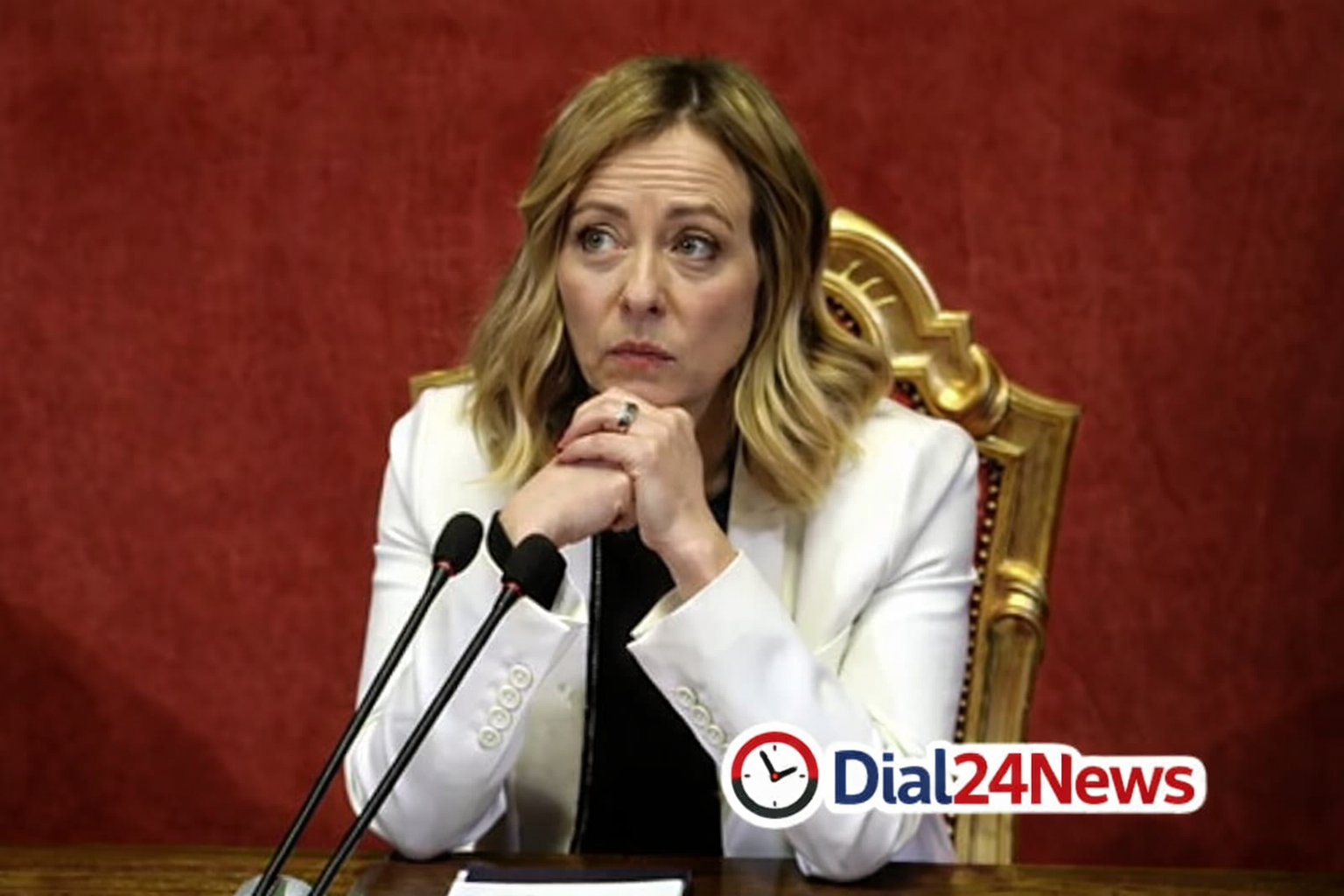
Giorgia Meloni has strongly criticised the circulation of a manipulated image of her that recently went viral online, calling it a dangerous misuse of artificial intelligence while also responding with a touch of sarcasm.
The controversy erupted after a digitally altered photo—reportedly generated using AI—began spreading rapidly across social media platforms. The image falsely depicted the Italian Prime Minister in a compromising setting, leading to widespread discussion and concern over misinformation.
Addressing the issue publicly, Meloni did not hold back. She described the incident as part of a broader attempt to mislead and attack her through fabricated content. However, in a remark that quickly caught attention online, she joked that the creator of the image had “improved” her appearance—adding a layer of irony to an otherwise serious matter.
Despite the humor, Meloni emphasised the deeper risks posed by such content. She warned that deepfake technology is increasingly being used as a tool to deceive audiences, distort reality, and target individuals—especially those who may not have the resources or influence to defend themselves.
A Warning About AI and Misinformation
The Italian leader used the incident to highlight a growing global concern: the misuse of artificial intelligence in creating highly realistic but false images and videos.
She urged people to exercise caution online, stressing the importance of verifying content before believing or sharing it. According to Meloni, the issue extends far beyond her personal experience and reflects a wider threat to public discourse and digital trust.
Experts have also pointed out that deepfakes are becoming increasingly sophisticated, making it harder for ordinary users to distinguish between real and manipulated content. This raises serious questions about the future of information integrity in the digital age.
Latest Developments and Wider Impact
Recent reports suggest that the controversy has sparked renewed debate across Europe about regulating AI-generated content. Governments, including Italy, are already considering stricter laws to curb the misuse of such technology, especially when it involves defamation or explicit manipulation.
In fact, the incident is not isolated. Authorities have been dealing with similar cases where public figures—particularly women—have been targeted with fake, often explicit images created using AI tools. This has intensified calls for legal safeguards and accountability for those who create and distribute such material.
Meloni herself has previously taken legal action against individuals involved in producing fake content using her likeness, signalling a tougher stance on digital abuse.
Why This Story Matters
This episode highlights a critical challenge of the modern digital era: the rapid evolution of AI technology without equally fast safeguards.
- Deepfakes can influence public opinion and damage reputations
- They are increasingly used in political and personal attacks
- Verifying online content is becoming more difficult
Meloni’s response—mixing humor with a serious warning—has drawn global attention to the issue, turning a personal attack into a broader conversation about digital responsibility.