Kanwar Camp Residents in Delhi Complain of Loud Music and Sleepless Nights
Kanwar Camp Noise Complaints Rise in Delhi as Residents Report Sleepless Nights
Kanwar camp noise complaints are increasing in Delhi as nearby residents report loud music, disturbed sleep, and growing concerns over late-night noise pollution.
Alao Read: KANWAR CAMP
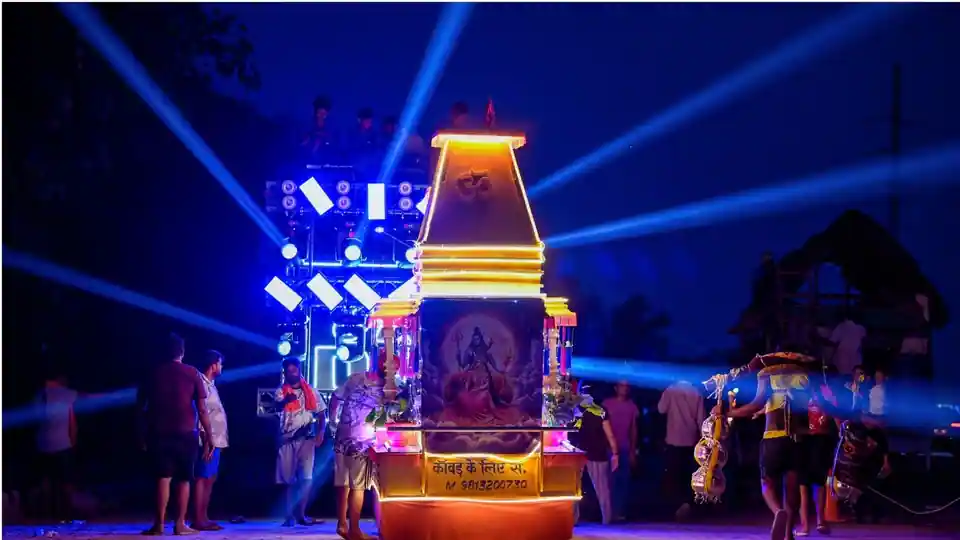
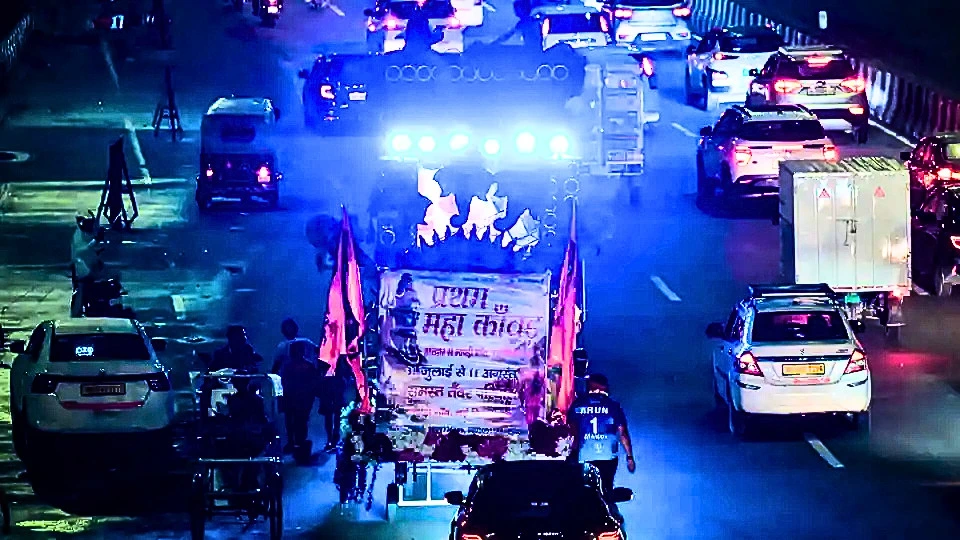
Residents living near several Kanwar camps in Delhi say loud music played through high-powered speakers has disrupted sleep for days. Many families report that the noise continues late into the night, affecting children, elderly people, and those who work early morning shifts.
The complaints have emerged during the annual Kanwar Yatra period, when temporary camps are set up across the city to serve pilgrims travelling with holy water from the Ganga. While many residents support the religious event, they say excessive sound levels have become difficult to ignore.
Residents report continuous disturbance
People living near major roads and camp locations say the music often begins in the evening and continues well past midnight. Several residents told local media that windows and doors vibrate because of the powerful bass from large speaker systems.
Some families said they had been unable to sleep properly for several nights. Others said elderly relatives and young children were especially affected by the constant noise.
The issue has renewed debate over Kanwar camp noise complaints and the enforcement of sound limits in residential areas.
Authorities under pressure to enforce rules
Delhi has noise pollution regulations that restrict the use of loudspeakers during late-night hours, except in cases where specific permissions are granted. Residents say enforcement remains inconsistent, particularly during large religious gatherings.
Police and local authorities usually increase deployment during the Kanwar Yatra to manage traffic, crowd movement, and public safety. However, neighbours of several camps say stronger monitoring of sound levels is also necessary.
Balancing religious events and neighbourhood concerns
Community groups say the Kanwar Yatra is an important religious tradition and that most camps operate peacefully. They argue that the concern is not the event itself but the volume of amplified music used at some locations.
Residents have urged authorities to ensure that celebrations continue without causing prolonged disturbance to nearby neighbourhoods. Officials are expected to review complaints and take action where noise rules are violated.
Authorities face calls for stricter enforcement
Delhi has noise pollution regulations that restrict the use of loudspeakers during late-night hours, except where specific permissions have been granted. Residents say enforcement appears inconsistent during periods of heavy religious activity, especially when large crowds gather near temporary camps.
Police and local authorities generally increase deployment during the Kanwar Yatra to manage traffic, crowd movement, and public safety. However, several neighbourhood groups say officials should also monitor sound levels regularly and ensure that permitted limits are not exceeded.
Legal experts note that India’s noise regulations are intended to balance religious, cultural, and community activities with the right of residents to live in a reasonably peaceful environment. Residents say they are not seeking a ban on religious events but are asking for effective implementation of existing rules.
Community leaders seek a balanced approach
Representatives from local welfare associations say the Kanwar Yatra is an important religious tradition that draws thousands of devotees every year. They emphasise that many camps operate peacefully and provide essential services to pilgrims without causing significant disturbance.
The concern, they say, is the excessive volume of amplified music and repeated late-night announcements at certain locations. Community leaders have suggested reducing speaker volume after evening hours, directing speakers away from residential buildings, and using smaller sound systems in densely populated areas.
Several residents believe such measures would allow religious celebrations to continue while reducing hardship for nearby families. They say cooperation between organisers, police.