


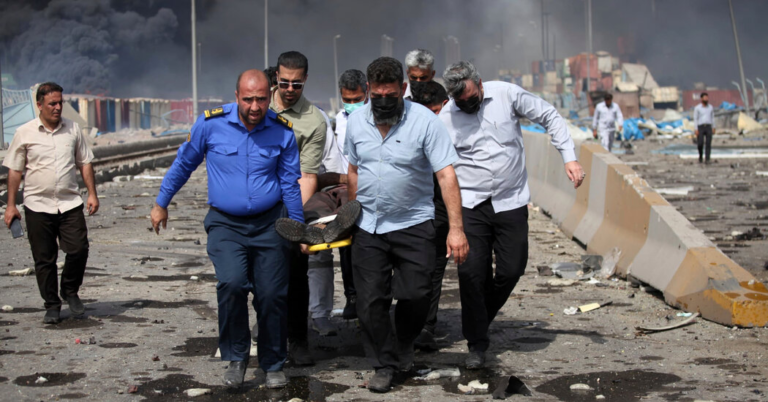
Ten central trade unions — including INTUC, AITUC, HMS, CITU, AIUTUC, TUCC, SEWA, AICCTU, LPF and UTUC — jointly announced the Bharat Bandh, urging workers across sectors to participate in the nationwide strike.
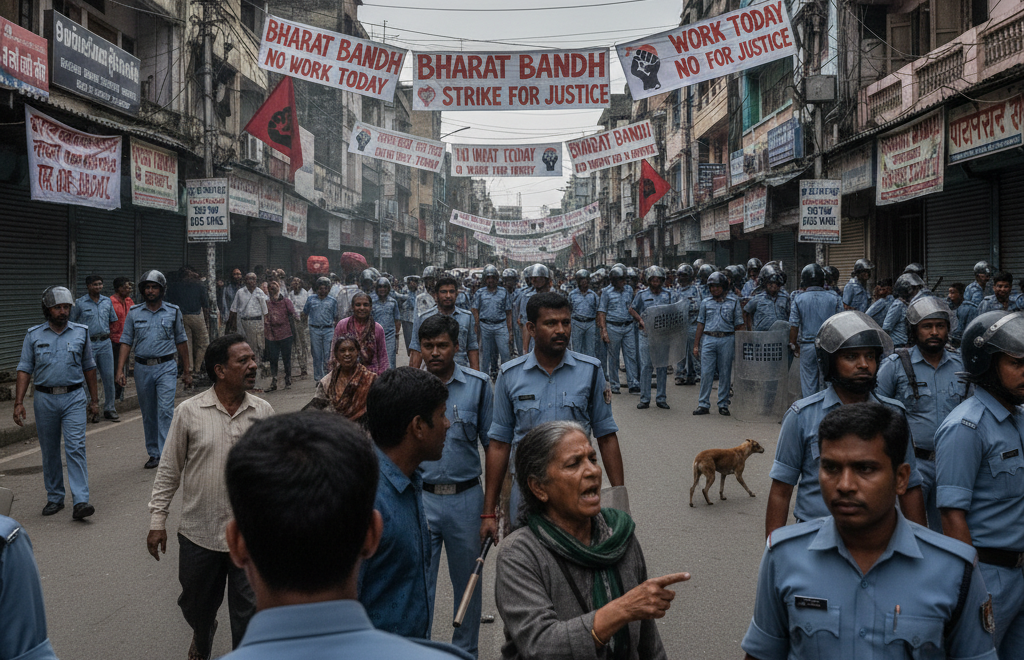
![A nationwide Bharat Bandh called by ten central trade unions witnessed widespread protests across several states on [Date]. Demonstrators took to the streets demanding policy changes related to labour rights, privatisation, and wage security. Public transport services were partially affected in parts of the country, while security was tightened in major urban centres to prevent unrest. In some locations, protesters attempted to block roads, prompting police intervention. Union leaders claimed large participation from workers across sectors, while authorities maintained that essential services continued to function. The strike has reignited debate over labour reforms and economic policies.](https://dial24news.com/wp-content/uploads/2026/02/protest3.jpg)
Members of a coalition of trade unions in Patna chant slogans during a demonstration against the government’s trade policies on Thursday, responding to the nationwide Bharat Bandh call. (PTI)
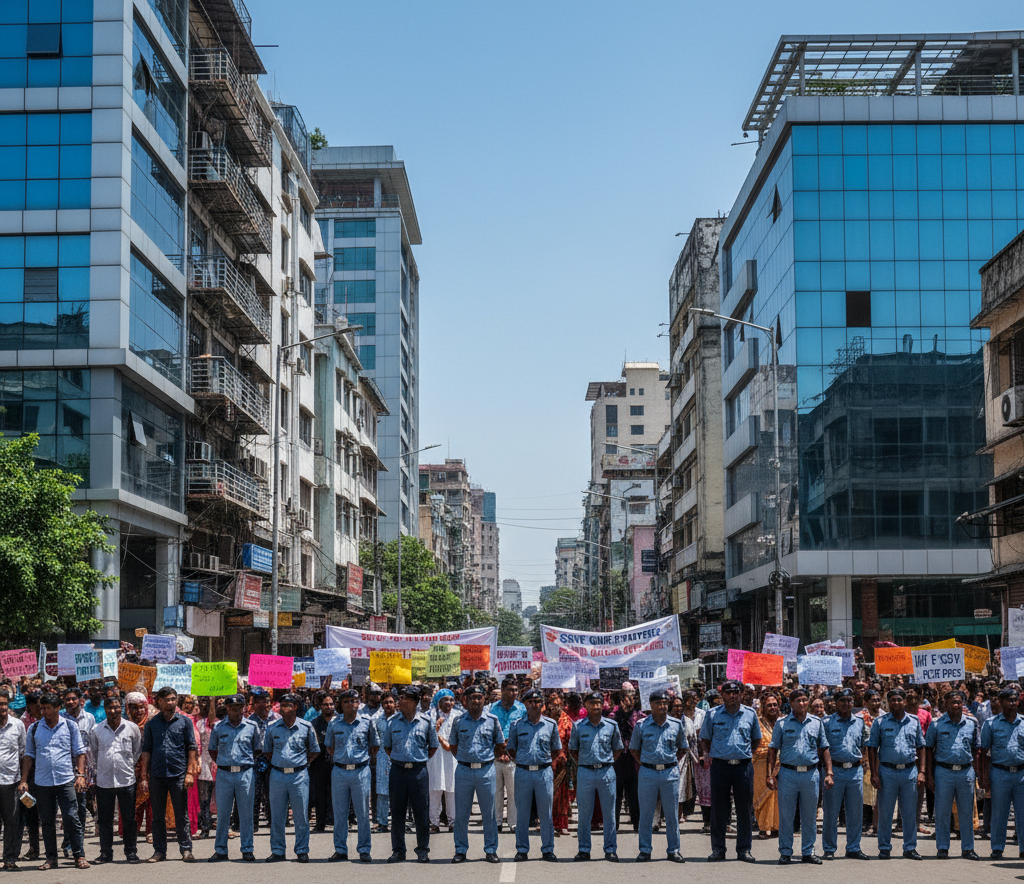
Police personnel detained protesters in Chennai on Thursday as trade unions staged demonstrations during the Bharat Bandh against the recently signed India–US trade agreement. The agitation also disrupted port activities in Thoothukudi and Chennai, where major unions, including the Centre of Indian Trade Unions (CITU), spearheaded the protests, affecting cargo handling and related operations.
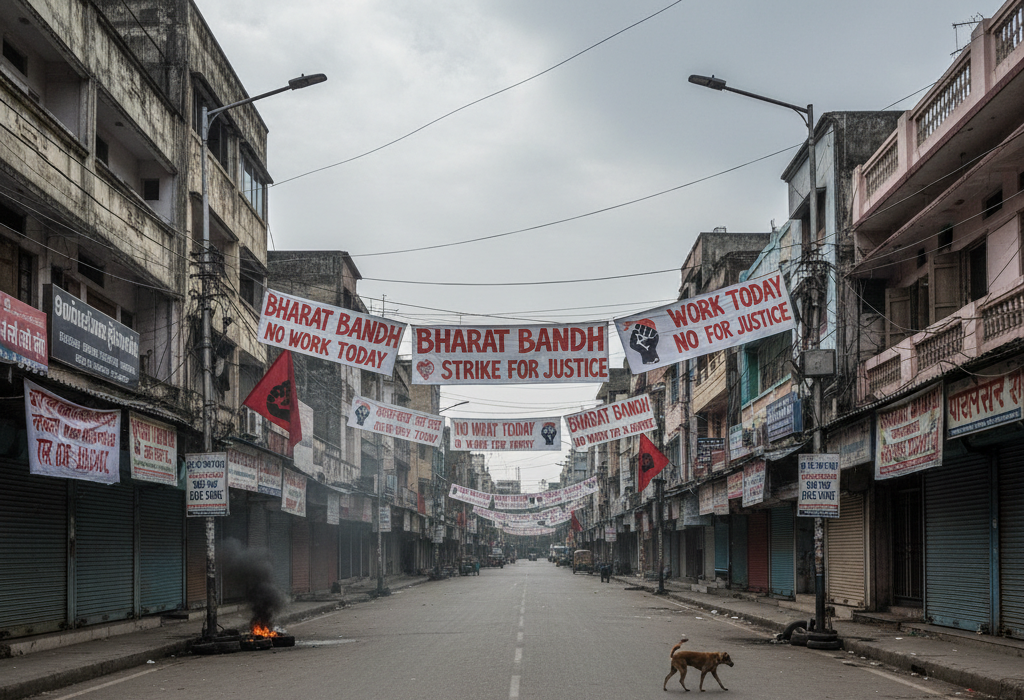
The nationwide Bharat Bandh unfolded alongside demonstrations in Parliament during the ongoing Budget Session, highlighting growing tensions between the government and opposition over the newly ratified trade agreement.
Bharat Bandh 2026: Ten Central Trade Unions Stage Nationwide Strike Against India-US Trade Deal
In a show of solidarity, ten central trade unions, including INTUC, AITUC, HMS, CITU, AIUTUC, TUCC, SEWA, AICCTU, LPF, and UTUC, called for a nationwide Bharat Bandh on Thursday, urging workers from various sectors to join the strike in protest against the recently signed India-US trade agreement. The unions claimed that the agreement could adversely impact local industries, labour rights, and domestic employment opportunities, prompting the unprecedented call for nationwide demonstrations.
Protests erupted across multiple states, with workers taking to streets, blocking traffic, and holding rallies in urban and semi-urban centres alike. In major cities such as Patna, Chennai, Bhubaneswar, Mumbai, and Kolkata, trade union members raised slogans denouncing government policies, with some protesters staging sit-ins on roads and railway tracks. In Chennai and Thoothukudi, port operations were temporarily disrupted, as demonstrators protested against what they called “unfavourable trade policies” that could affect the livelihood of local workers and small-scale industries.
Authorities reported that police forces were deployed across sensitive locations to maintain law and order. In Chennai, security personnel detained several protesters who attempted to block key roads. Similarly, in Balasore, Odisha, members of a joint trade union forum staged a demonstration on railway tracks, raising slogans against the trade agreement. Despite heightened security, the protests remained largely peaceful, with only minor skirmishes reported in a few locations.
Union leaders argued that the India-US trade deal prioritizes multinational corporations over domestic industries, threatening small businesses, agricultural workers, and manufacturing jobs. Speaking on behalf of the unions, CITU leader K. Hemalata said, “The government’s rush to sign this agreement without consulting labour representatives or considering the impact on domestic workers is unacceptable. Today’s Bharat Bandh is a warning that workers will not remain silent while their rights and jobs are compromised.”
The Bharat Bandh coincided with heightened political tensions in Parliament, as opposition leaders highlighted the issue during the ongoing Budget Session. Lawmakers from opposition parties staged protests and demanded discussions on the potential economic and social implications of the trade deal, further escalating the confrontation between the government and opposition benches. Analysts have suggested that the strike and parliamentary demonstrations signal growing unrest among workers and political groups concerned about globalization and trade liberalization.
Several sectors reported disruptions during the strike, including public transport, logistics, and port operations. Commuters faced delays as buses and local trains were affected in multiple states. Major unions, however, insisted that the bandh was symbolic and intended to draw attention to worker grievances rather than cause widespread disruption.
Economists and industry experts have noted that while strikes like the Bharat Bandh highlight worker dissatisfaction, prolonged unrest could have economic consequences, particularly in sectors like transport, exports, and small-scale manufacturing. Meanwhile, union leaders have vowed to continue advocacy and hold further demonstrations if their concerns are not addressed, emphasizing the need for negotiations between the government and labor representatives.
The Bharat Bandh marks one of the largest coordinated labor protests in recent years, bringing together unions with diverse political affiliations to voice collective opposition to the India-US trade deal. With participation reported across multiple states, the strike has garnered national attention, drawing reactions from policymakers, industry stakeholders, and civil society groups alike.
As the country navigates both economic reforms and global trade agreements, Thursday’s nationwide strike underscores the ongoing tension between government policy initiatives and the concerns of India’s workforce. The unions have reiterated that their primary demand is to ensure fair labor practices, protect domestic industries, and secure jobs for Indian workers in the face of international trade agreements.