


Imran Khan’s Family Accuses Authorities of “Following Asim Munir’s Directives” as Protests Erupt
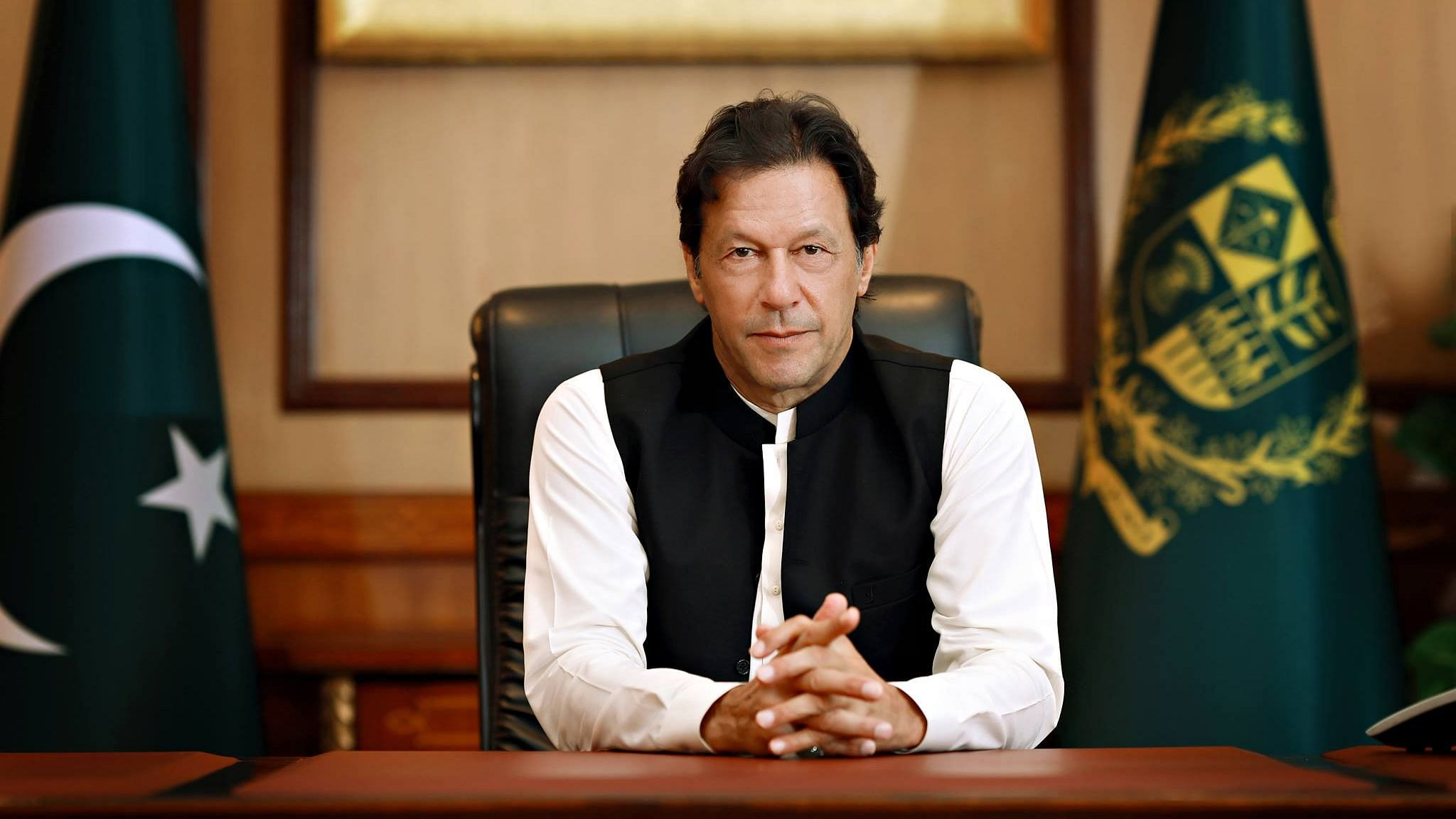
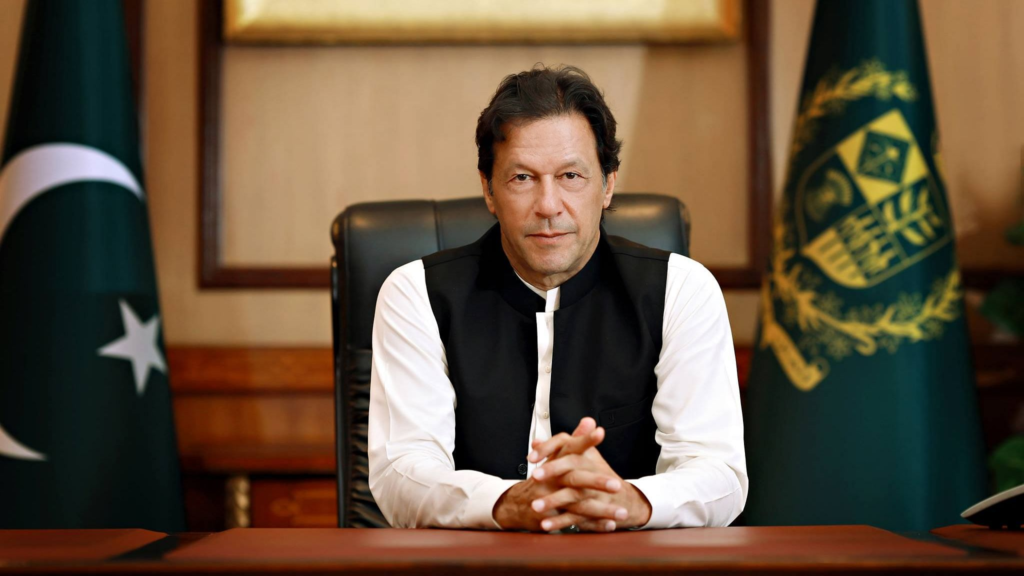
Fresh political turbulence has gripped Pakistan after the family of former prime minister Imran Khan accused authorities of subjecting him to severe mistreatment in prison, allegedly under the directives of Asim Munir. The claims, delivered in a strongly worded public statement, have triggered widespread protests by supporters and further deepened divisions in the country’s already volatile political landscape.
Family’s Allegations
In their statement, Khan’s relatives described his reported prison conditions as “unimaginable” and “deeply distressing,” alleging that he is being denied basic facilities and subjected to treatment that goes beyond standard incarceration protocols. While they did not provide detailed specifics of the alleged mistreatment, the family asserted that the actions were not routine administrative decisions but were instead being carried out under high-level instructions.

They called for immediate transparency regarding his detention conditions and demanded that both domestic and international human rights standards be upheld. The family also urged authorities to grant regular access to Khan’s legal team and relatives, emphasizing that his constitutional rights must be protected regardless of the political circumstances.
So far, there has been no detailed official response addressing the specific accusations. Government representatives have maintained silence on the matter, and there has been no public statement from the military leadership regarding the claims.
Supporters Take to the Streets
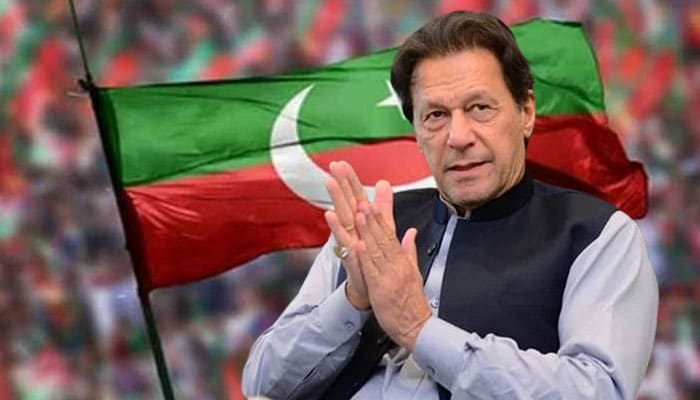
The allegations quickly resonated with members and supporters of Pakistan Tehreek-e-Insaf (PTI), the party founded and led by Khan. Demonstrations erupted in several major cities, with protesters gathering outside press clubs, government offices, and public squares.
Carrying party flags and placards, supporters chanted slogans demanding justice and transparency. Many accused authorities of political victimization, arguing that the former prime minister’s imprisonment is part of a broader campaign to sideline him from the political arena. Protesters also called for independent monitoring of his prison conditions and immediate improvements to his living situation.
While most demonstrations were reported to be peaceful, security was heightened in sensitive areas to prevent potential escalation. Law enforcement agencies maintained a visible presence, monitoring crowds and restricting access to certain zones in anticipation of possible unrest.
Political Context
Imran Khan has remained one of the most polarizing figures in Pakistan’s political landscape since his removal from office. His supporters view him as a leader challenging entrenched power structures, while critics argue that legal proceedings against him are the result of due process and accountability measures.

The latest allegations by his family add a new layer of tension to an already fraught political environment. Relations between PTI and state institutions have been strained for months, with repeated accusations and counter-accusations shaping public discourse. The suggestion that prison decisions are being influenced by the country’s top military leadership has further intensified debate and speculation.
Analysts note that such claims, whether substantiated or not, have the potential to inflame public sentiment. In Pakistan’s politically charged atmosphere, narratives surrounding civil-military relations carry significant weight and can quickly mobilize large segments of the population.
Calls for Transparency
Human rights advocates and legal observers have emphasized the importance of transparency in cases involving high-profile political detainees. They argue that clear communication from authorities can help reduce misinformation and calm public anxiety.
Legal experts point out that prisoners, regardless of their political standing, are entitled to certain rights under domestic law and international conventions. Ensuring consistent access to legal representation, family visits, and adequate living conditions is considered essential to maintaining institutional credibility.
In the absence of an official clarification, speculation has continued to circulate across social media platforms, further fuelling public discourse. PTI leaders have echoed the family’s concerns in press conferences, reiterating their demand for accountability and warning that protests could intensify if no response is forthcoming.
Heightened Security and Uncertain Path Ahead
Authorities have reportedly increased security arrangements in key urban centers, particularly in areas where large gatherings are common. While officials have not announced any major restrictions, precautionary measures suggest concerns about potential escalation.
The situation underscores the fragile state of Pakistan’s political climate, where developments surrounding one individual can reverberate nationally. With general public sentiment already divided, the latest controversy risks widening existing fault lines.
Political analysts suggest that the government may eventually be compelled to address the allegations publicly to restore calm. Whether that takes the form of an official statement, an independent inquiry, or behind-the-scenes negotiations remains unclear.
A Broader Reflection of Political Tensions
Beyond the immediate controversy, the episode reflects broader questions about governance, accountability, and institutional balance in Pakistan. Civil-military dynamics have historically played a significant role in shaping the country’s political trajectory, and allegations involving top leadership inevitably draw intense scrutiny.
For now, the focus remains on Imran Khan’s reported prison conditions and the response—or lack thereof—from authorities. As protests continue and public debate intensifies, the coming days may prove critical in determining whether tensions subside or escalate further.
What remains certain is that the allegations have once again placed Pakistan’s political stability under the spotlight, with domestic and international observers closely watching how the situation unfolds.