


What Happened
-
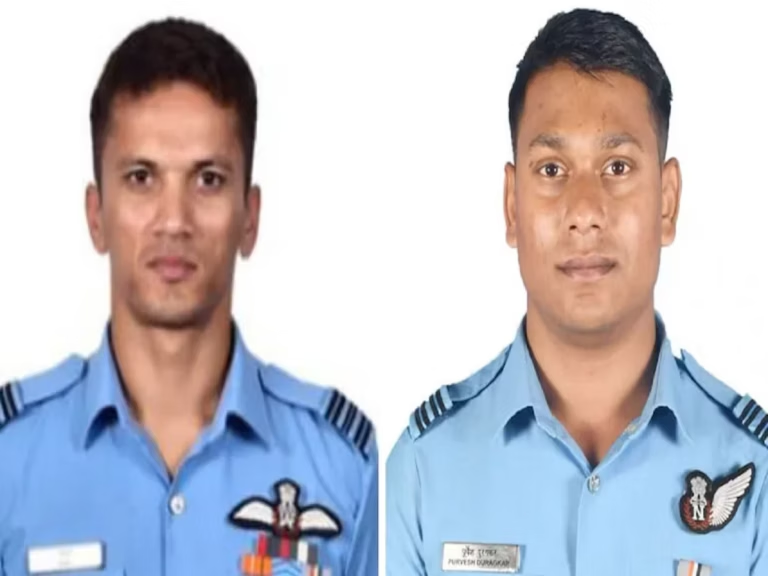
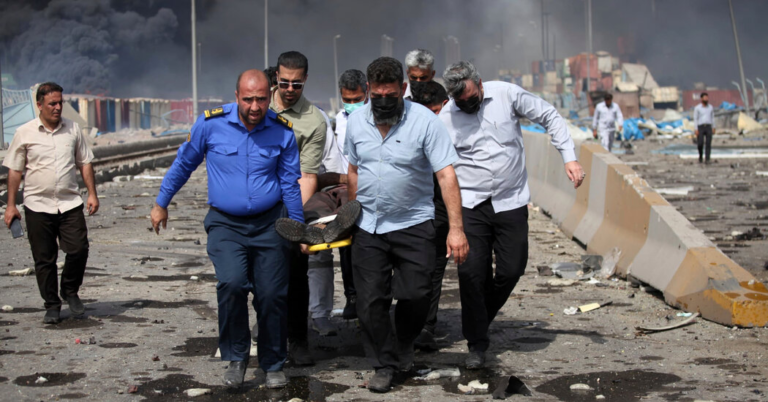
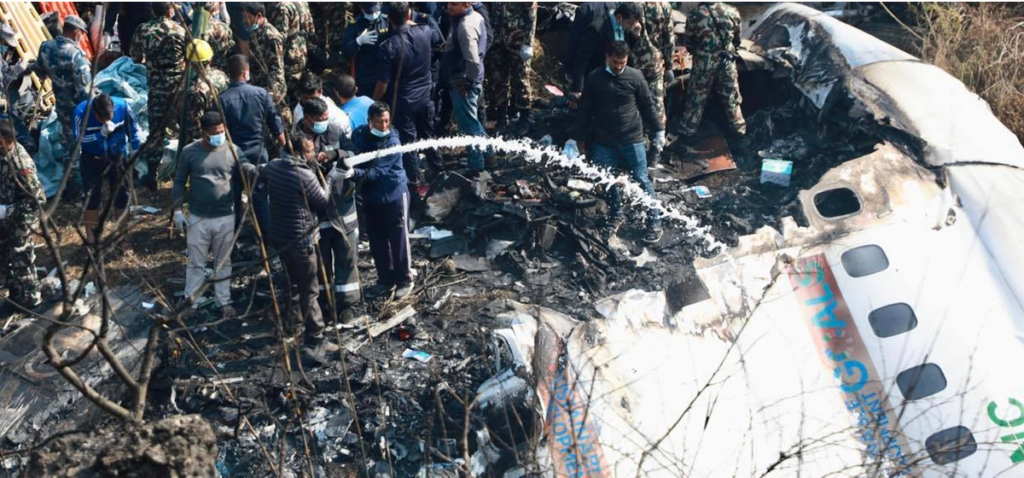
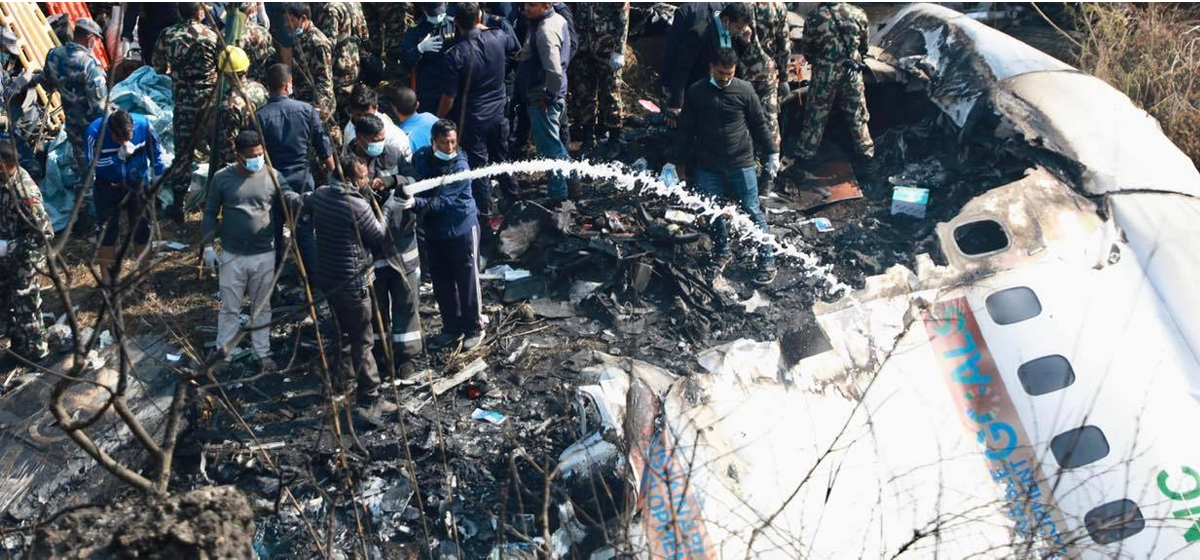
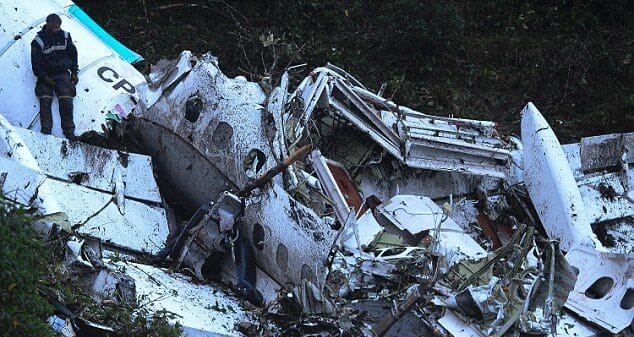
On 23 February 2026, a Beechcraft C90 air ambulance (operated by Redbird Airways) crashed in Chatra district, Jharkhand, while flying from Ranchi to Delhi on a medical evacuation mission. All seven onboard died — including two pilots, medical staff, a burn-injury patient and his relatives.
-
The aircraft lost radar and communication contact about 20–25 minutes after takeoff while requesting a route deviation due to bad weather.
Tragedy in the Skies: Jharkhand Air Ambulance Crash Kills Seven Key Issues Being Probed
- No Black Box The aircraft did not have a flight data recorder or cockpit voice recorder. Civil aviation rules don’t mandate these for planes under 5,700 kg, but their absence makes reconstructing events much harder. Authorities will now rely on air traffic control data, wreckage analysis, and eyewitness accounts.
- Adverse Weather The route had a history of severe weather. Both Air India and IndiGo flights had previously reported turbulence and requested deviations along the same corridor. On the night of the crash, the air ambulance itself requested a deviation due to bad weather, but reports suggest it turned right instead of left, which may have worsened conditions.
- Long Idle History The Beechcraft C90 had not been operated between 2018 and 2022. Extended periods of disuse can raise questions about maintenance, airworthiness, and mechanical reliability.
Investigation – Black Box & Weather
-
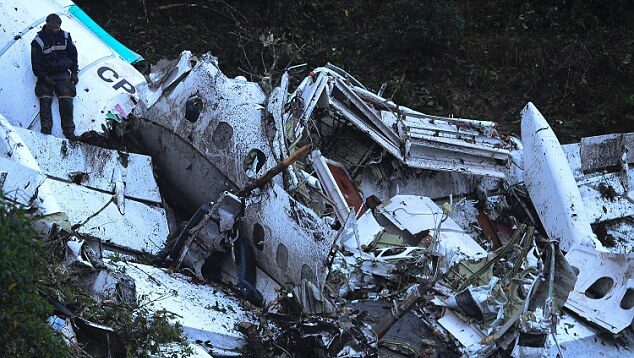
Officials have confirmed the aircraft did not have a black box (cockpit voice/flight data recorder) — because civil aviation rules don’t require them on light aircraft under 5,700 kg. This complicates the probe.
-
Investigators are analysing weather conditions and onboard weather radar performance, since other commercial flights on the same corridor also encountered adverse weather earlier.
-
There are reports that although the evening initially seemed normal, thunderstorm warnings, lightning, and strong gusts were present — all possible contributing factors.
-
Human Impact
- The patient, Sanjay Kumar, was being flown from Ranchi to Delhi for treatment. His family, who reportedly spent around ₹8 lakh on the air ambulance, is demanding compensation and justice, alleging negligence by the operations.

Aircraft History & Condition
-
One official source suggests this particular aircraft had been unused for several years (2018–2022) before returning to service — raising questions about maintenance continuity.
-
The operator Redbird Airways has claimed there was no technical issue with the aircraft, and that the crew was experienced; formal evidence for this remains part of the ongoing probe.
Response & Safety Measures
-
India’s Aircraft Accident Investigation Bureau (AAIB) is leading a detailed inquiry. DGCA and government officials have held reviews into this accident.
-
DGCA is tightening safety oversight for non-scheduled/air ambulance operations — including stricter audits, record disclosures, and tougher penalties for lapses.
Context & Comparisons
-
Journalists are also comparing the accident with a similar recent crash involving the same airline, exploring factors like flight planning, weather avoidance and safety culture.
Possible Scenarios
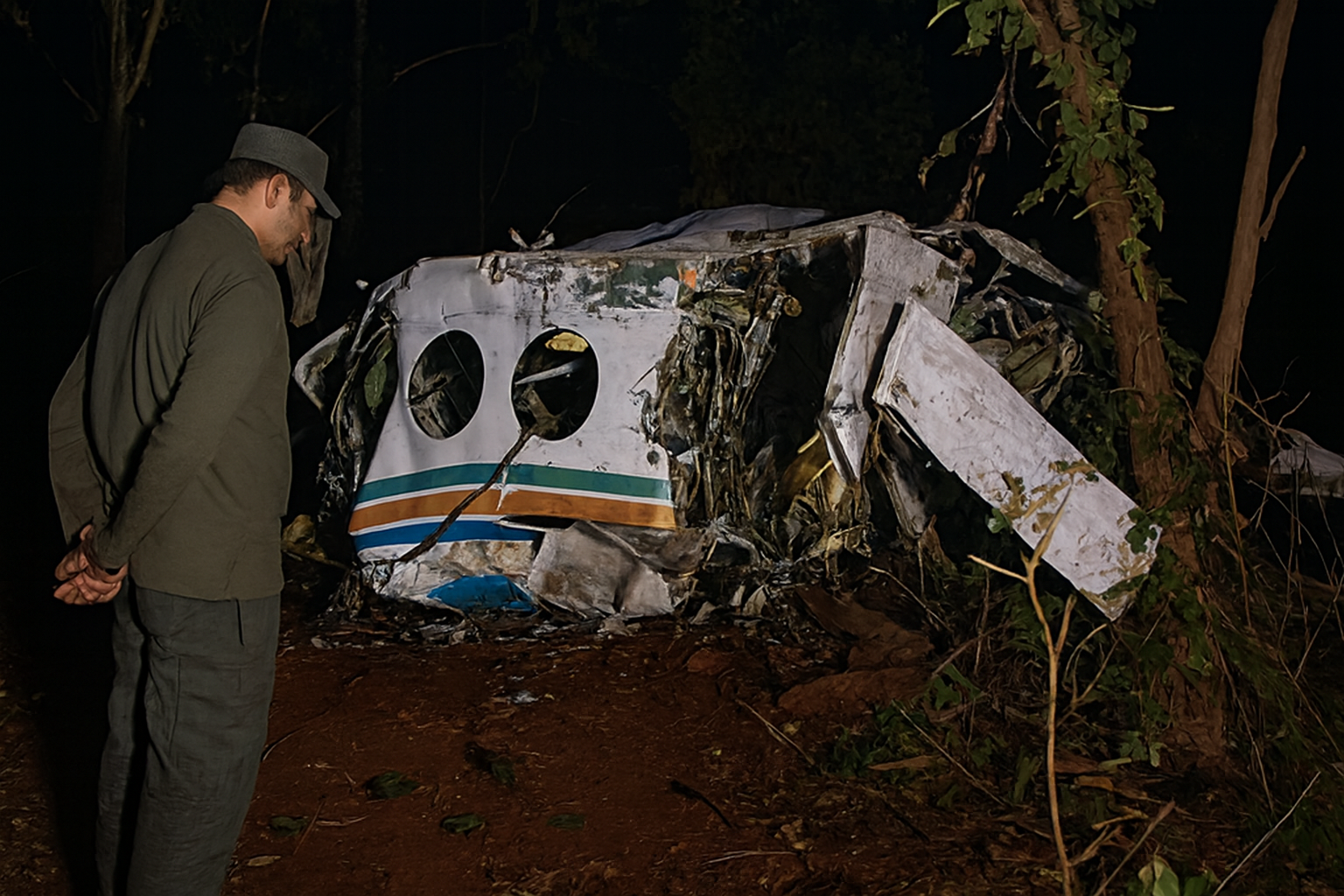
- Mechanical Failure After sitting idle for four years, the Beechcraft C90 may have developed latent mechanical issues. Even with maintenance checks, long storage periods can lead to corrosion, degraded seals, or electrical faults. Investigators will examine maintenance logs, engine condition, and wreckage evidence to see if a technical failure triggered the accident.
- Weather-Related Factors The corridor had a history of turbulence and adverse conditions. On the night of the crash, the crew requested a deviation due to bad weather but reportedly turned right instead of left. Investigators will look at radar data, pilot communications, and meteorological reports to determine if severe weather overwhelmed the aircraft.
- Human Error / Operational Decisions Without a flight data recorder, reconstructing cockpit actions is difficult. Investigators will consider whether pilot decision-making, route deviation, or situational awareness played a role. They’ll also assess whether the operator’s procedures and training were sufficient for handling adverse weather.
Regulatory Gaps Highlighted
- No Black Box Requirement Aircraft under 5,700 kg aren’t required to carry flight data or cockpit voice recorders. This leaves investigators with limited evidence and raises questions about whether regulations should be updated for air ambulances and charter planes.
- Oversight of Long-Idle Aircraft The plane’s four-year inactivity puts a spotlight on how regulators monitor aircraft returning to service. Stronger checks may be needed before such planes are cleared for critical missions like medical evacuations.
This tragedy underscores how weather, maintenance, and regulatory oversight intersect in aviation safety.
What Happens Next
The Directorate General of Civil Aviation (DGCA) and Aircraft Accident Investigation Bureau (AAIB) are conducting probes. Without black-box data, the investigation will be slower and more reliant on indirect evidence. Weather conditions, maintenance records, and pilot decision-making will be central to determining the cause.