


BCCI’s Changing Attitude, Asia Cup Rift With PCB Chief Mohsin Naqvi Behind Pakistan Boycott:
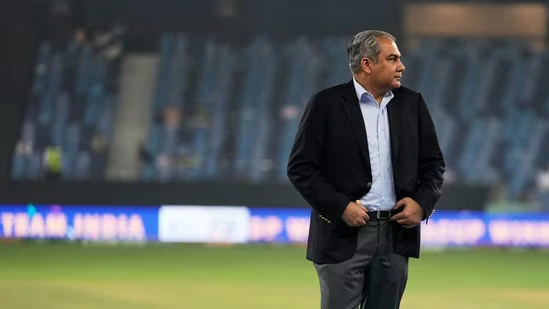
Ehsan Mani Former ICC President Ehsan Mani has claimed that a shift in the BCCI’s approach and ongoing tensions surrounding the Asia Cup, particularly involving PCB chief Mohsin Naqvi, played a major role in Pakistan’s decision to boycott certain cricketing engagements.
Speaking on the issue, Mani pointed out that relations between the two cricket boards have deteriorated over time, with trust and cooperation steadily eroding. According to him, the BCCI’s changing stance on bilateral and multilateral cricket with Pakistan has contributed significantly to the current impasse, leaving little room for constructive dialogue.
Mani also highlighted that disagreements linked to the hosting, management, and decision-making processes of the Asia Cup further deepened the rift. He suggested that internal politics within Asian cricket, combined with a lack of consensus between the PCB and BCCI leadership, made Pakistan feel sidelined, ultimately leading to the boycott decision. “The problem is not just one tournament or one decision,” Mani reportedly indicated, emphasizing that the issue reflects a broader breakdown in cricketing diplomacy between the two nations.
Why Pakistan Boycotted: Ehsan Mani Points to BCCI’s Changed Attitude and Asia Cup Rift
He stressed that unless boards engage in transparent discussions and respect mutual interests, such conflicts will continue to harm the game in the region. The developments once again underline how administrative disagreements and political undertones continue to overshadow cricketing ties between India and Pakistan. Fans across both countries remain hopeful that future negotiations can help restore cooperation and ensure that cricket, rather than controversy, takes center stage.
India–Pakistan T20 World Cup Clash in Doubt as PCB–ICC Standoff Deepens
The uncertainty surrounding the much-anticipated India vs Pakistan clash at the upcoming T20 World Cup has intensified, with the ongoing row between the Pakistan Cricket Board (PCB) and the International Cricket Council (ICC) showing no signs of resolution. With the tournament just days away, clarity over the Group A fixture scheduled for February 15 in Colombo remains elusive.
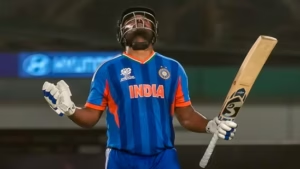
What has added fuel to the fire is a dramatic move by the Government of Pakistan, which on February 1 announced that the national team would not participate in the high-profile encounter against India. The decision sent shockwaves across the cricketing world, given the magnitude of the rivalry and the global audience it commands. The Pakistan side, led by Salman Ali Agha, was expected to face Suryakumar Yadav’s Indian team in what is traditionally the marquee match of any ICC tournament.
However, political intervention and administrative disagreements have once again overshadowed the sport, placing the ICC in a difficult position just before the start of the 20-team event. Sources indicate that discussions between the PCB and ICC are ongoing, but time is rapidly running out.
Broadcasters, sponsors, and fans are all anxiously awaiting a final call, as the fate of the tournament’s most-watched fixture hangs in the balance. The situation has sparked widespread debate within the cricketing community, with former players and experts urging stakeholders to prioritize the game and its global appeal. An India–Pakistan match is not just another group-stage contest—it is the centerpiece of the tournament, both commercially and competitively. As things stand, the cricketing world waits with bated breath. Whether diplomacy can prevail over discord in the final hours remains to be seen, but one thing is certain: the ongoing stalemate has cast a long shadow over what was meant to be a celebration of T20 cricket on the world stage.