



Russia’s Crude Exports in the Spotlight After India–US Trade Accord: What’s Happening Now
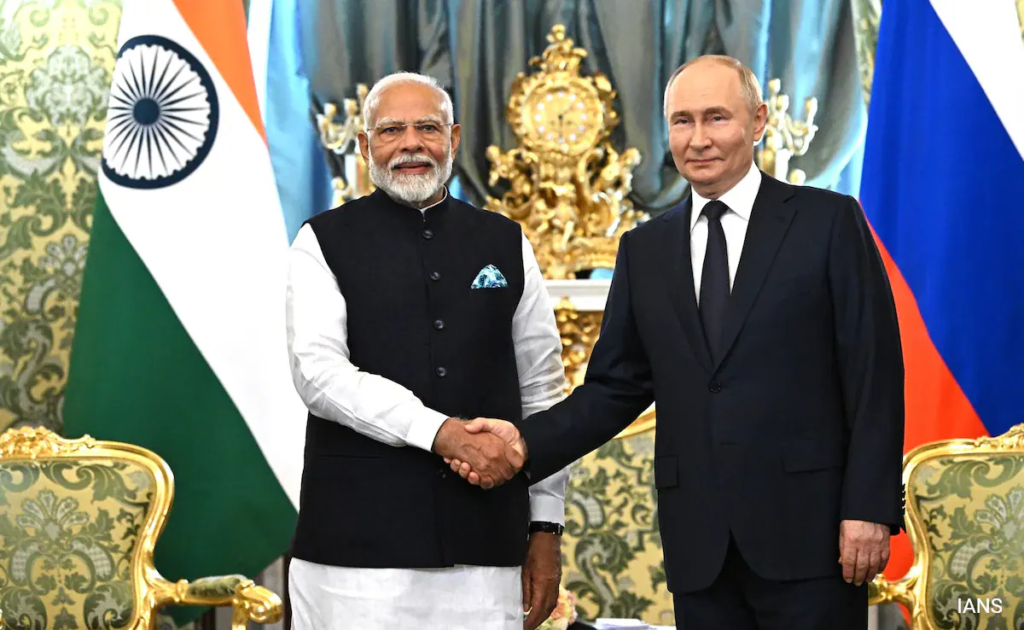
Global energy markets and diplomatic corridors are watching closely as recent shifts in India–United States trade relations are rippling across crude oil flows — especially Russia’s role in supplying oil to one of the world’s biggest importers.
New Trade Framework Between India and the U.S.
India and the United States have announced a framework for an interim trade agreement aimed at lowering tariffs and strengthening economic ties. The deal, which is hoped to be concluded by March, includes tariff reductions — with duties on Indian exports to the U.S. cut to approximately 18% from much higher levels previously — and broader cooperation on trade issues.
Shift in India’s Energy Procurement Strategy
Although the official India–US trade text itself does not strictly mandate energy sourcing decisions, policymakers and industry leaders have framed diversification of energy imports — including reducing dependence on Russia — as aligning with India’s strategic interests. Commerce and industry officials say that purchasing oil, LNG, and LPG from the U.S. supports supply security and economic resilience.
Russia’s Reaction and Moscow’s Position
Russia has publicly stated that India remains free to buy oil from any country, pushing back against the idea that the trade deal should dictate India’s energy decisions — a stance echoed by Kremlin officials.
Impact on Russian Oil Exports
In response to shifting demand patterns:
China has increased purchases of Russian seaborne crude, with volumes rising sharply, even as India’s demand recedes — a clear signal of regional realignments in crude flows.
Industry data suggests that private Indian refiners and major state refiners are cutting back on purchasing Russian oil in spot markets — partly because of sanction risks and partly to support ongoing trade negotiations with the U.S.
Analysts project India’s Russian crude imports could drop significantly from 2025’s average levels, with volumes potentially falling below 1 million barrels per day if current trends continue.
Sanctions, Tariffs and Market Response
The backdrop to these shifts includes U.S. punitive tariff measures tied to Russia oil purchases, which were initially imposed to pressure India to cut crude imports from Russia. Even as some tariff barriers have been lowered under the trade negotiation framework, there remains a provision for reinstating punitive tariffs if India resumes substantial Russian oil procurement.
Global and Regional Market Repercussions
Russian suppliers are offering steeper discounts to traditional buyers like China to counterbalance lost sales due to reduced Indian demand — a move that could reshape pricing dynamics in Asia’s crude markets.
Energy import diversification — not just away from Russia, but also toward new sources including the U.S. and Latin America — is emerging as a key theme for New Delhi’s long-term strategy.