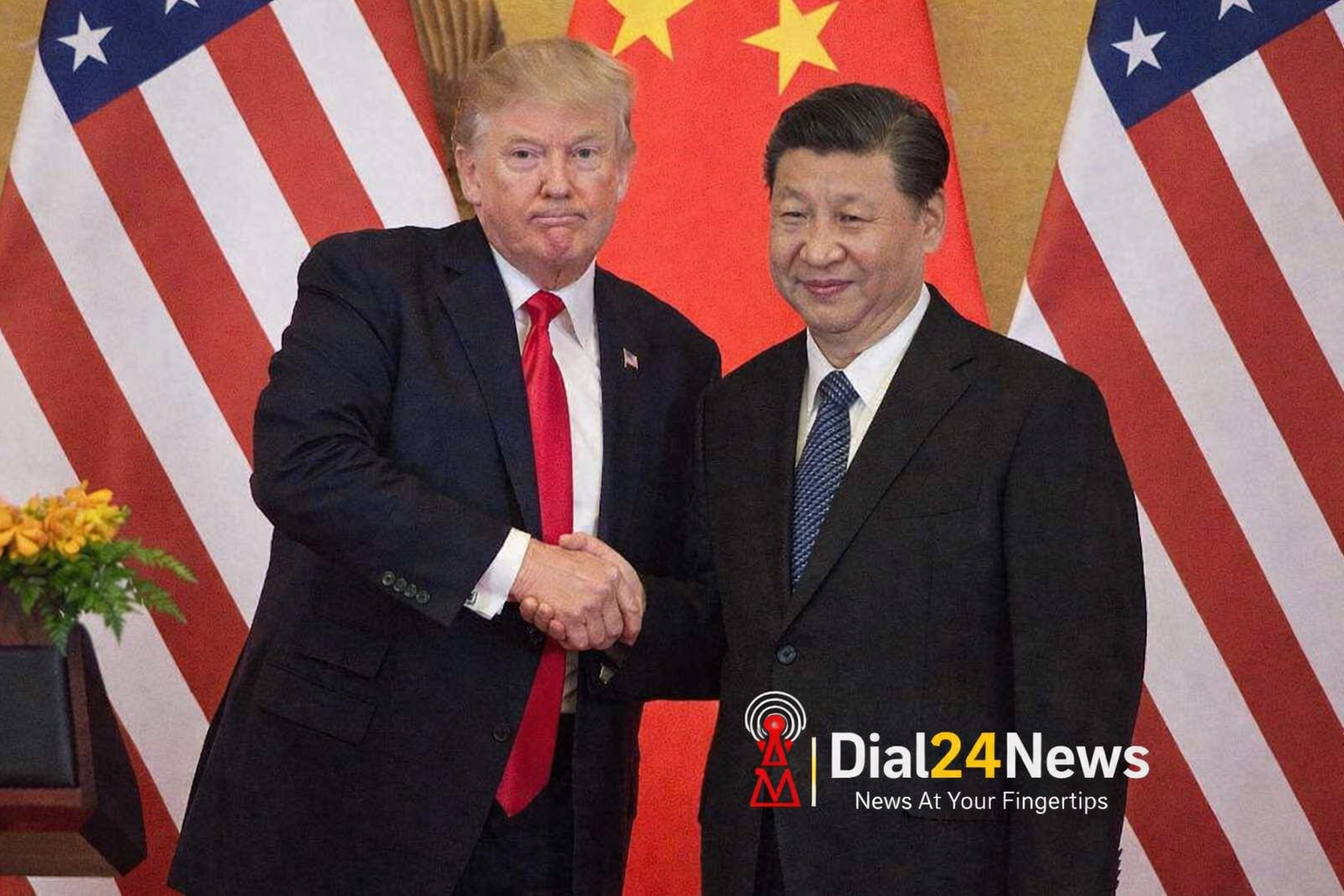
Xi Gains Strategic Advantage Ahead of Trump’s Beijing Summit
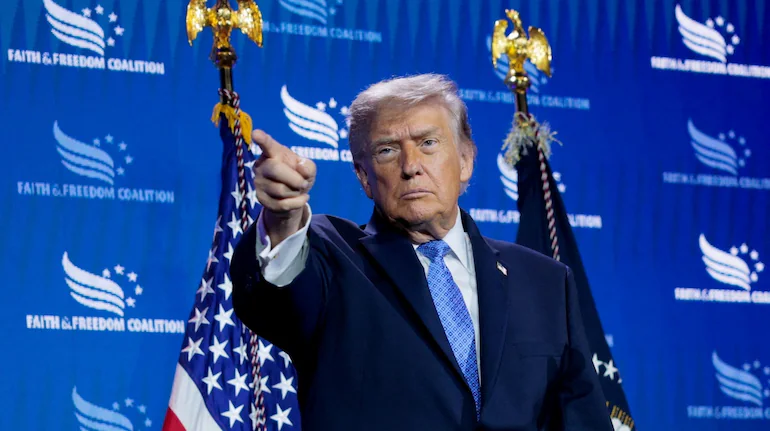
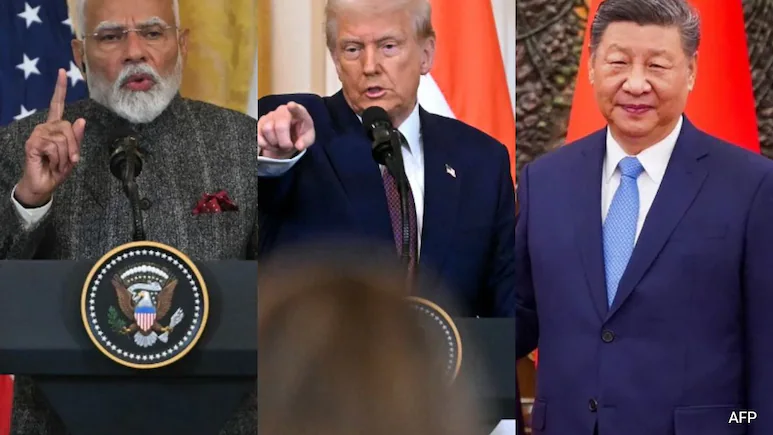
Donald Trump’s upcoming visit to China is attracting global attention at a time when international tensions are rapidly escalating. While the summit was initially expected to focus mainly on trade negotiations and tariffs, the worsening Iran conflict has transformed the diplomatic landscape and given Chinese President Xi Jinping unexpected leverage ahead of the talks.
The ongoing crisis in the Middle East, particularly concerns surrounding the Strait of Hormuz, has increased pressure on the United States and global markets. Any disruption in the key oil shipping route threatens worldwide energy supplies and could trigger another wave of inflation across major economies. As a result, Washington is increasingly looking toward Beijing for diplomatic cooperation in stabilizing the situation.
China’s close economic relationship with Iran has placed Xi Jinping in a stronger negotiating position. Beijing remains one of Tehran’s biggest oil buyers and maintains active communication channels with the Iranian leadership. Analysts believe this gives China a unique role in influencing developments in the region, making the United States more dependent on Chinese cooperation than before.
Tariff Strategy No Longer Delivering Clear Results
Trump’s aggressive tariff policies against China were originally introduced to reduce America’s dependence on Chinese manufacturing and pressure Beijing economically. However, over time, China adjusted its strategy by strengthening domestic production, expanding trade partnerships, and investing heavily in alternative markets.
Economic experts now argue that the tariff war has hurt businesses and consumers on both sides while failing to significantly weaken China’s long-term economic ambitions. Instead of isolating Beijing, the trade battle encouraged China to deepen economic ties with countries across Asia, Africa, and the Middle East.
This changing economic reality has weakened Washington’s earlier bargaining advantage ahead of the summit.
Iran Conflict Shifts Global Power Balance
The Iran crisis has also forced the United States to divert military attention and diplomatic resources toward the Middle East. This shift comes during a period of growing tensions in the Asia-Pacific region, especially regarding Taiwan and the South China Sea.
Strategic analysts believe China is using this moment to quietly strengthen its regional influence while presenting itself globally as a stable and disciplined power. Beijing has publicly called for restraint and diplomatic negotiations while avoiding direct involvement in the conflict.
At the same time, Chinese officials have criticized Western sanctions linked to Iran and warned against actions that could further destabilize global energy markets.
Trump and Xi Expected to Discuss Major Global Issues
Despite increasing competition between both countries, the Beijing meeting is expected to focus on preventing further deterioration in relations. Key discussions are likely to include tariffs, technology restrictions, artificial intelligence, global energy security, sanctions, and regional conflicts.
Reports suggest the Trump administration is privately urging China to help prevent further escalation involving Iran, especially to ensure that oil trade routes remain operational. Rising oil prices and market instability are becoming major concerns for economies worldwide, including the United States.
Political observers say Xi Jinping enters the summit from a position of growing confidence, while Trump faces economic and geopolitical challenges both internationally and domestically.
Latest Developments
Recent diplomatic activity indicates that China has intensified its communication with several Middle Eastern nations amid fears of wider regional instability. Beijing is also reportedly working to protect its energy interests while positioning itself as a responsible global mediator.
Meanwhile, financial markets are closely monitoring the Trump-Xi meeting, as investors believe the outcome could influence global trade, oil prices, and future US-China relations for months ahead.
The summit is now being viewed as one of the most important geopolitical meetings of the year, with implications far beyond Washington and Beijing.