PM Modi’s 3 Key Messages to Ministers as India Faces Fallout of US-Iran War
PM Modi Gives 3 Key Instructions to Ministers as India Faces US-Iran War Fallout
Prime Minister Narendra Modi has reportedly issued three major directives to Union ministers as India grapples with the growing economic and strategic impact of the ongoing US-Iran conflict and rising tensions in West Asia.
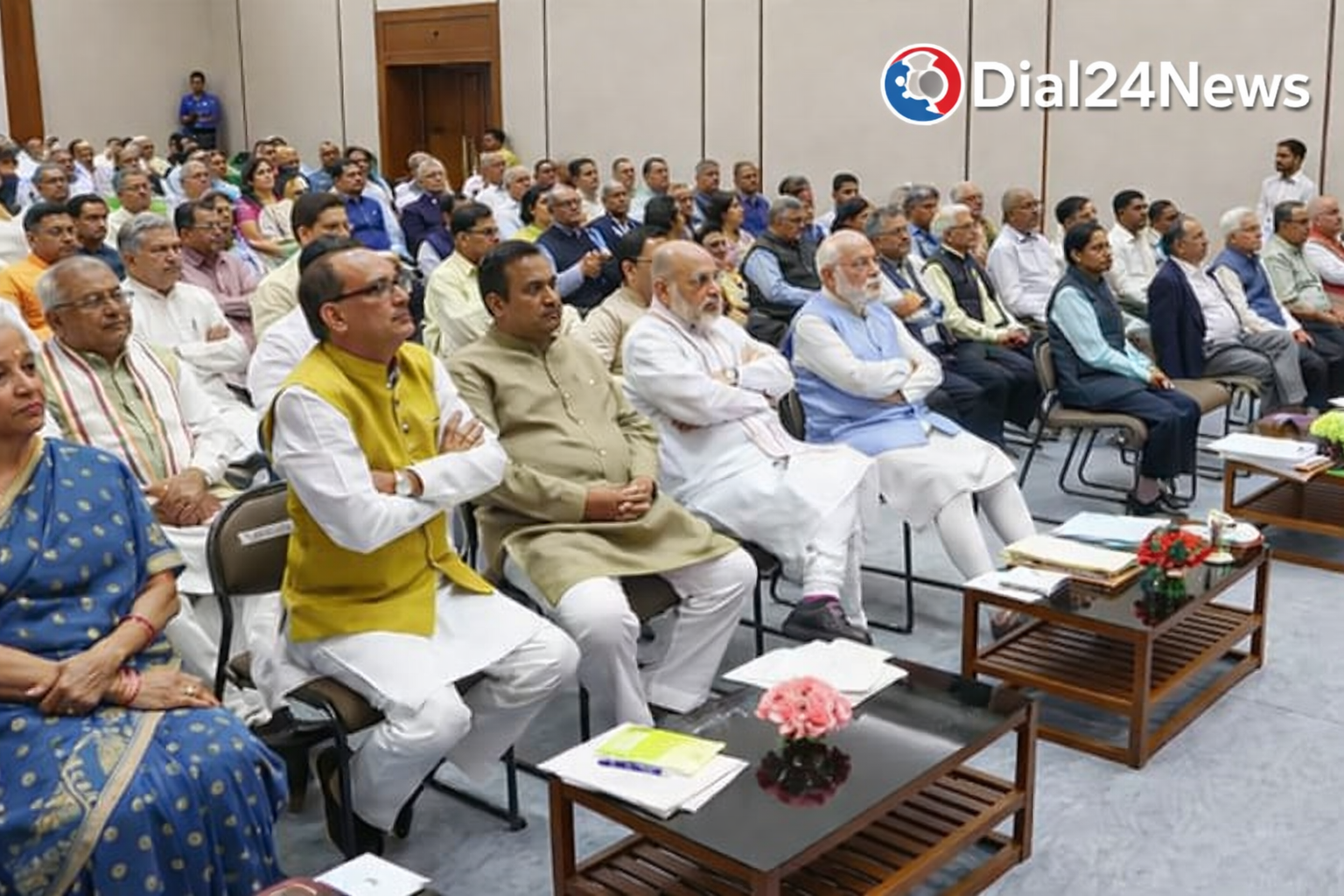
The high-level Council of Ministers meeting, which lasted over four hours in New Delhi, focused heavily on energy security, governance efficiency, and long-term economic preparedness amid fears of prolonged global instability.
Message 1: Speed Up Governance and Reduce Delays
During the meeting, PM Modi reportedly warned ministers against bureaucratic slowdowns and asked them to accelerate implementation of government schemes.
According to people familiar with the discussions, the Prime Minister stressed:
- Faster file movement
- Simplified administrative procedures
- Greater transparency
- Quicker delivery of public services
He reportedly told ministers that files should not “move endlessly from desk to desk” and urged departments to focus on improving citizens’ “ease of living.”
The message comes as the government faces increasing criticism from the opposition over inflation, rising fuel prices, and the economic effects of the West Asia conflict.
Message 2: Prepare for Energy Disruptions
A major focus of the meeting was India’s growing vulnerability to disruptions in global oil and gas supplies caused by tensions around the Strait of Hormuz.
The narrow shipping route handles nearly one-fifth of global oil trade, and fears of restrictions or attacks in the region have already pushed up crude prices internationally.
PM Modi reportedly asked ministers to:
- Explore alternative fuel sources
- Expand renewable energy efforts
- Increase focus on biogas and domestic energy resilience
- Prepare contingency plans for supply disruptions
India remains heavily dependent on crude oil and LPG imports routed through the Gulf region, making the country particularly sensitive to the conflict’s fallout.
Recent reports indicate:
- Petrol and diesel prices have risen sharply
- LPG supply chains are facing delays
- Global shipping and insurance costs are increasing
Message 3: Stay Focused on ‘Viksit Bharat 2047’
Despite the crisis, PM Modi reportedly urged ministers not to lose focus on the government’s long-term development agenda under the “Viksit Bharat 2047” vision.
He asked ministers to:
- Prioritise next-generation reforms
- Improve welfare delivery
- Focus on future goals rather than past achievements
- Ensure rapid implementation of flagship schemes across states
Officials present at the meeting said the Prime Minister stressed that India “cannot rest on past wins” while the world faces rising geopolitical and economic uncertainty.
India Increasingly Concerned Over West Asia Crisis
The meeting reflects India’s deepening concerns over:
- Oil supply disruptions
- Maritime security threats
- Inflationary pressure
- Trade route instability
- Risks to millions of Indians living in Gulf countries
Earlier this month, PM Modi warned that continued war in West Asia could wipe out years of global development progress and create what he described as a “decade of crises.”
India has also intensified diplomatic engagement with Gulf nations and global partners to ensure:
- Safe maritime corridors
- Energy stability
- Protection of Indian citizens abroad
- Continuity of trade flows
Latest Developments
Recent updates suggest:
- India is accelerating efforts to diversify energy imports
- Strategic petroleum reserve discussions with the UAE have gained momentum
- Ministries are reviewing emergency preparedness measures for possible prolonged disruptions in the Gulf region
Meanwhile, global oil markets remain volatile as investors closely monitor:
- US-Iran negotiations
- Strait of Hormuz security
- OPEC output decisions
- Regional military escalation