US-Iran Peace Deal Stuck Over Strait of Hormuz, Nuclear Demands and Sanctions Clash
US-Iran Peace Deal Faces New Deadlock Over Hormuz, Sanctions and Nuclear Demands
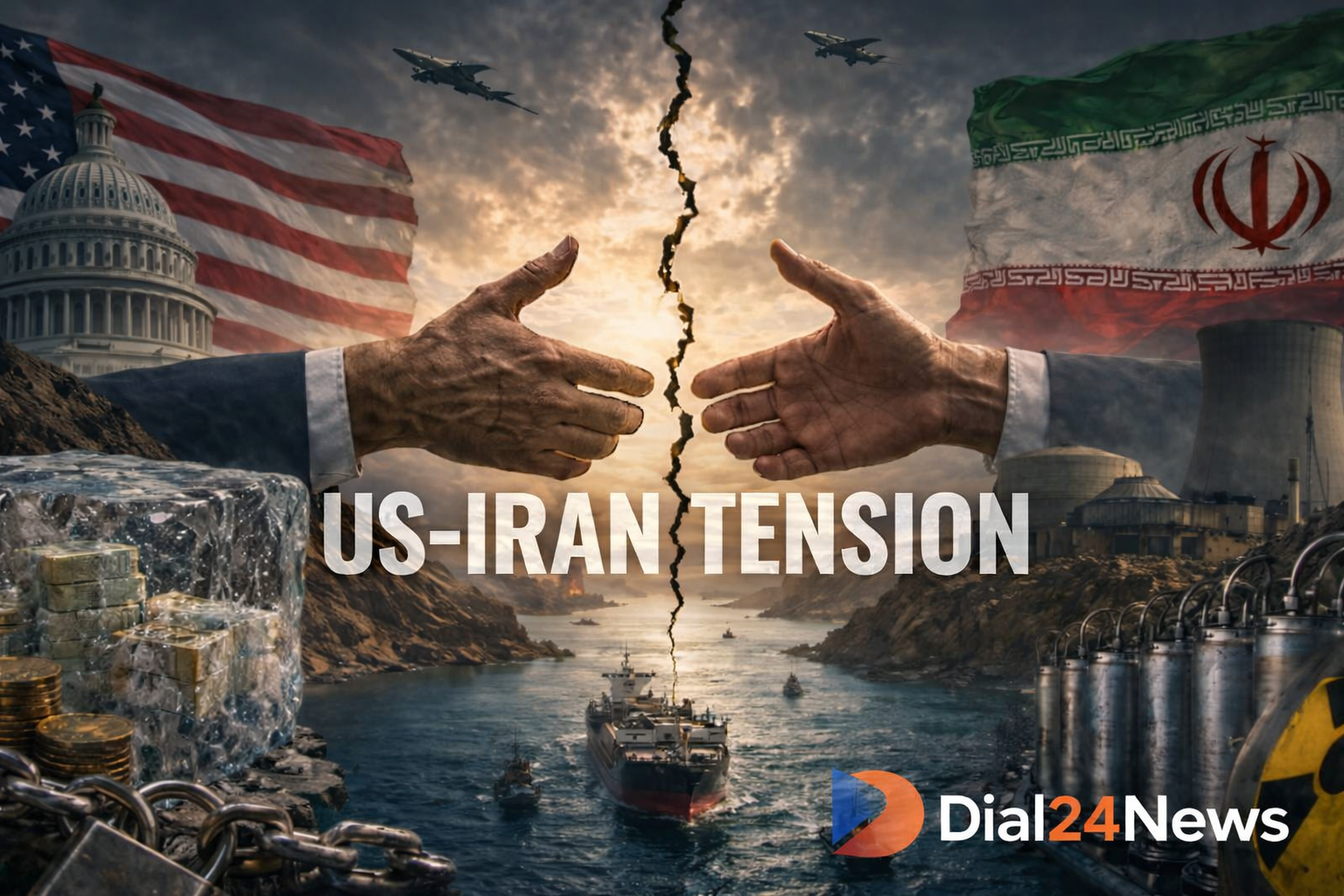
The latest round of diplomatic negotiations between the United States and Iran has once again entered uncertain territory, with both sides locked in disagreements over nuclear activity, economic sanctions, and regional security concerns. Although officials from both countries have hinted at progress behind closed doors, no formal breakthrough has yet emerged.
At the heart of the dispute lies the Strait of Hormuz — one of the world’s most important oil transit routes. The narrow waterway carries a significant portion of global crude exports, making it strategically vital for both Western powers and Gulf nations. Washington wants uninterrupted maritime access, while Tehran seeks stronger regional influence and security guarantees.
Nuclear enrichment remains the core issue
The US continues to pressure Iran to reduce uranium enrichment levels and allow broader international monitoring of its nuclear facilities. Iran, however, insists that its nuclear programme is peaceful and argues that it cannot compromise its sovereignty under foreign pressure.
Iranian negotiators are also demanding immediate and wide-ranging sanctions relief. Tehran believes years of American sanctions have severely damaged its economy, banking system, and oil exports. The Biden administration, meanwhile, wants Iran to first demonstrate measurable compliance before easing restrictions.
Strait of Hormuz tensions increase pressure
Global attention has sharply shifted toward the Strait of Hormuz after fears of possible disruptions to oil shipments resurfaced during the talks. Any instability in the region could trigger major spikes in international crude prices and disrupt global energy markets.
Several Gulf countries, including Saudi Arabia and the UAE, are reportedly encouraging both sides to avoid escalation and reach at least a temporary understanding that keeps shipping lanes open.
Israel remains cautious about the agreement
Israel has continued to express concerns over any potential deal that may allow Iran to retain significant nuclear capabilities. Israeli officials believe Tehran could use future sanctions relief to strengthen its regional military influence.
This has placed additional diplomatic pressure on Washington, which is attempting to balance regional security concerns while avoiding another prolonged Middle East conflict.
Interim deal still possible
Sources close to the negotiations suggest diplomats are exploring a temporary framework that may include limited sanctions relief in exchange for partial nuclear restrictions and maritime de-escalation measures.
However, experts warn that deep mistrust between Washington and Tehran remains the biggest obstacle. Multiple earlier agreements collapsed after disagreements over implementation and political commitments.
Latest News Update
Recent international reports claim that indirect talks mediated by regional partners are continuing quietly. Iran has reportedly rejected some American proposals linked to enriched uranium transfers, while US officials say negotiations are still “constructive.”
Oil traders and geopolitical analysts are now closely watching whether the talks can prevent a fresh crisis in the Gulf region.