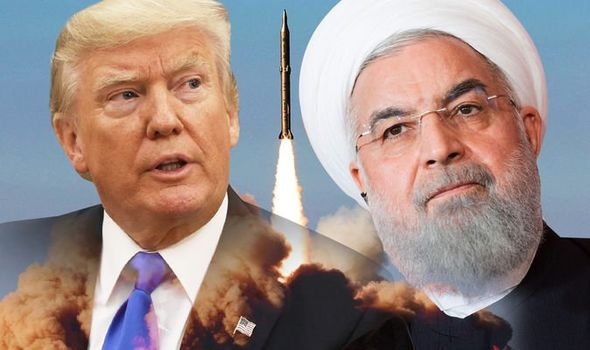
“What’s in Iran’s 10-point proposal that pushed the US toward a temporary ceasefire?”
“Iran ceasefire terms: US–Iran truce unveiled just before Trump’s Strait of Hormuz deadline”
Updated on: Apr 08, 2026 10:14 AM IST
In a significant diplomatic breakthrough, the United States and Iran have agreed to a temporary ceasefire, just hours before a critical deadline set by former US President Donald Trump regarding the reopening of the strategically vital Strait of Hormuz. The agreement has brought a short-term pause to escalating tensions in the region, offering a window for further negotiations while easing global concerns over energy security and potential military conflict.
What are Iran’s 10 demands?
According to Iranian state media, the proposal accepted by the United States includes the following key conditions:
- Non-aggression pact between the US and Iran
- Continuation of Iran’s control over the Strait of Hormuz
- Recognition of Iran’s nuclear enrichment rights
- Lifting of all primary US sanctions
- Lifting of all secondary sanctions affecting third-party countries
- Termination of all UN Security Council resolutions against Iran
- Termination of all International Atomic Energy Agency (IAEA) Board resolutions
- Payment of compensation to Iran for damage.

The ceasefire announcement came at a time when the situation in the Gulf had reached a boiling point. Washington had issued a firm ultimatum demanding that Tehran ensure free navigation through the Strait of Hormuz — a narrow waterway through which nearly a fifth of the world’s oil supply passes. Any prolonged disruption in this corridor could have triggered a sharp spike in global oil prices and destabilized international markets.
According to diplomatic sources, the deal was finalized after intense back-channel negotiations involving multiple intermediaries. Iran reportedly presented a set of key demands that formed the basis of the agreement. Among these were calls for limited sanctions relief, assurances against immediate military escalation, and recognition of its role in regional security dynamics.

The United States, while not officially confirming all details, indicated that the agreement is a temporary measure designed to prevent further escalation. Officials described it as a “confidence-building step” aimed at creating space for broader diplomatic engagement. However, Washington also maintained that any long-term resolution would depend on Iran’s compliance with international norms and commitments.
The timing of the agreement is particularly noteworthy. The deadline imposed by Trump had raised fears of possible military action if Iran failed to comply. In recent days, there had been reports of increased naval activity in the Gulf, as well as heightened alert levels among US allies in the region. The ceasefire, therefore, has come as a welcome relief to both regional and global stakeholders.

Iran, on its part, framed the agreement as a demonstration of its willingness to pursue dialogue while safeguarding its national interests. Officials in Tehran emphasized that their demands were rooted in the need for economic stability and sovereignty. They also reiterated their position that any agreement must respect Iran’s rights under international law.
Experts believe that while the ceasefire is a positive step, it remains fragile. The two-week duration of the truce suggests that both sides are testing the waters rather than committing to a long-term settlement. Analysts warn that any violation or misunderstanding during this period could quickly reignite tensions.

The global reaction to the agreement has been largely positive. Energy markets showed signs of stabilization following the announcement, with oil prices easing after days of volatility. International leaders have also welcomed the development, urging both sides to use the opportunity to engage in meaningful dialogue.
However, challenges remain. The underlying issues that led to the confrontation — including sanctions, regional influence, and security concerns — have yet to be fully addressed. Without a comprehensive framework, the ceasefire could prove to be only a temporary pause in a prolonged conflict.
For now, the focus will be on maintaining the fragile calm and building trust between the two sides. Diplomatic channels are expected to remain active over the coming days, with mediators working to extend the truce or transform it into a more permanent arrangement.

As the deadline passes without incident, the ceasefire stands as a reminder of the importance of diplomacy in resolving even the most complex geopolitical crises. Whether this temporary agreement can pave the way for lasting peace remains to be seen, but it has undoubtedly provided a crucial opportunity to step back from the brink of conflict.