Petrol and Diesel Rates Jump Across India Amid Global Oil Crisis
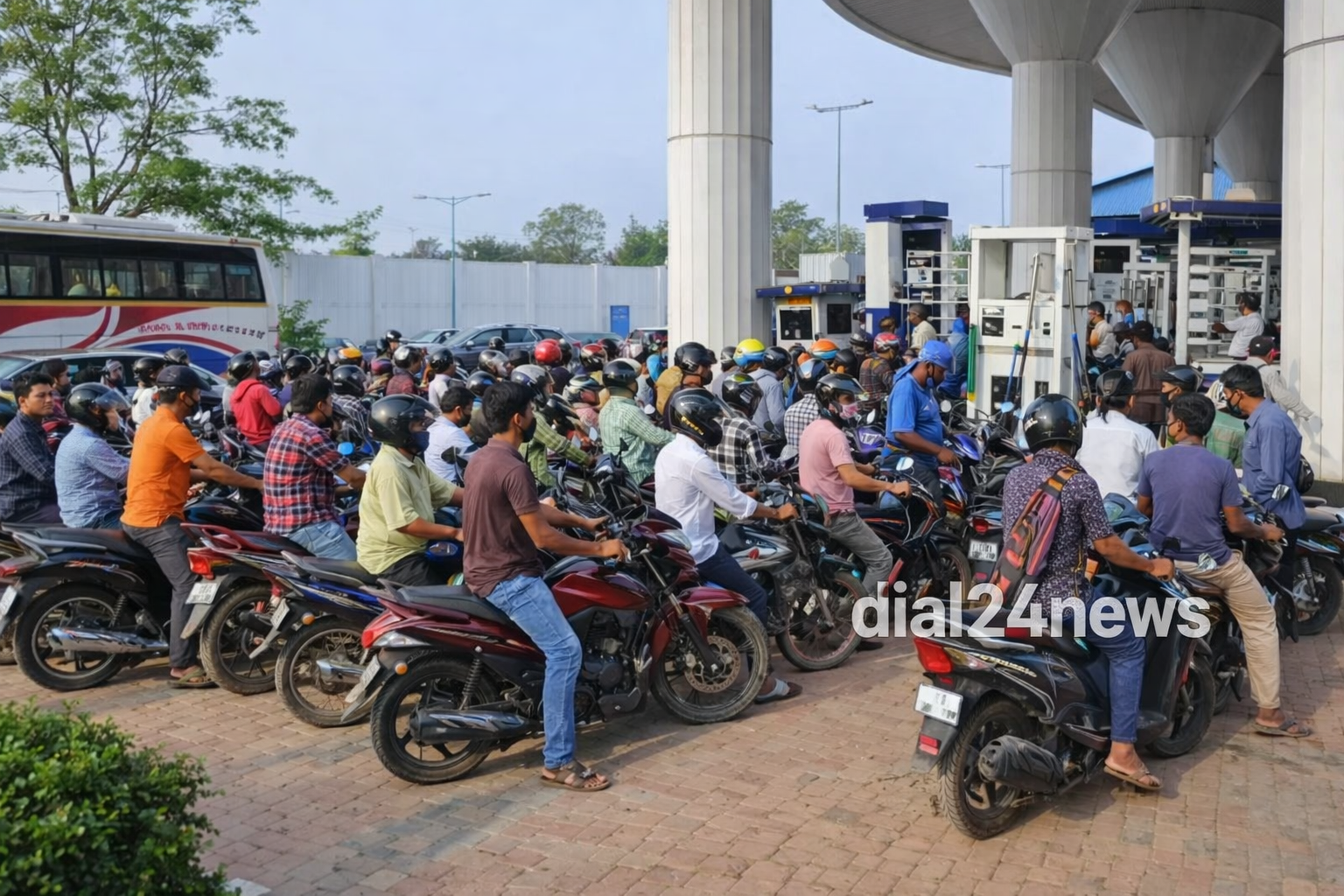
India has once again been hit by a major fuel price increase as petrol and diesel rates were raised by ₹3 per litre across the country on Friday. The decision comes only days after Prime Minister Narendra Modi urged citizens to conserve fuel and avoid unnecessary travel amid rising global energy concerns.
The sudden hike has triggered widespread public reaction, with citizens fearing another wave of inflation that could impact transportation, food prices, and household budgets.
Fuel Prices Increased Across Major Cities
After the latest revision by state-run oil companies, petrol prices in Delhi climbed close to ₹98 per litre while diesel crossed ₹90 per litre. Similar increases were recorded in Mumbai, Chennai, Kolkata, Bengaluru, Gurgaon, and several other cities.
In many states, petrol prices have once again crossed the ₹100-per-litre mark, adding pressure on middle-class families and daily commuters.
The revised prices were implemented by major oil marketing companies including Indian Oil Corporation, Bharat Petroleum, and Hindustan Petroleum.
Why Did Fuel Prices Rise?
Experts believe the increase is directly linked to growing geopolitical tensions in West Asia and disruptions in international crude oil supply routes.
The situation around the Strait of Hormuz — one of the world’s most important oil transit corridors — has created panic in global energy markets. Crude oil prices have risen sharply over the past few weeks due to fears of supply disruptions involving Iran, Israel, and the United States.
India imports a significant portion of its crude oil needs, making domestic fuel prices highly sensitive to international market fluctuations.
According to industry analysts, oil companies had been absorbing losses for weeks before finally revising retail fuel prices.
PM Modi’s Fuel-Saving Message
Earlier this week, Prime Minister Narendra Modi appealed to citizens and government departments to reduce fuel usage wherever possible.
The Prime Minister reportedly advised:
- Increased use of public transport
- Carpooling and ride-sharing
- Avoiding unnecessary travel
- Work-from-home arrangements where feasible
- Reduction in government fuel expenditure
The Centre has also reportedly begun implementing austerity measures to control fuel consumption and reduce operational costs.
Inflation Concerns Grow
Economists warn that the latest fuel price increase could have a ripple effect on the Indian economy.
Transportation costs are expected to rise immediately, which may increase the prices of vegetables, groceries, milk, online deliveries, and essential commodities. Logistics and taxi services are also likely to revise fares in the coming days.
Several transport unions have already hinted at fare revisions if fuel prices continue to rise further.
CNG Prices Also Increased
In another setback for consumers, CNG prices in Delhi-NCR and several other cities have also been revised upward. Auto-rickshaw drivers, cab operators, and commercial vehicle owners are expected to face additional financial pressure.
The increase in CNG prices may further impact public transport systems and urban commuting costs.
Opposition Targets Centre
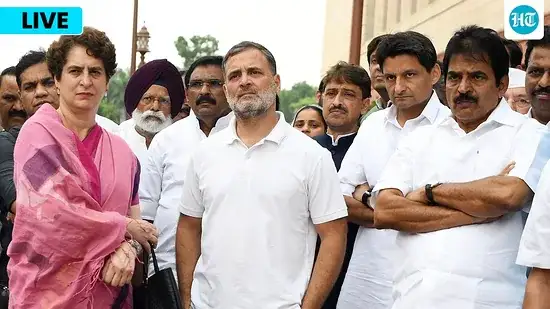
Opposition parties criticised the government following the price hike, accusing the Centre of failing to protect citizens from inflation despite collecting high fuel taxes over the years.
Political leaders demanded temporary tax cuts and relief measures to reduce the burden on common people.
Meanwhile, financial experts believe future fuel prices will largely depend on how international crude markets behave over the next few weeks.
Latest Updates
Several companies across India are now encouraging hybrid work models to reduce commuting and fuel usage. Some state governments are also reviewing emergency fuel conservation plans in response to rising global tensions.
Market observers warn that if geopolitical tensions escalate further, India could witness additional fuel price increases in the coming months.