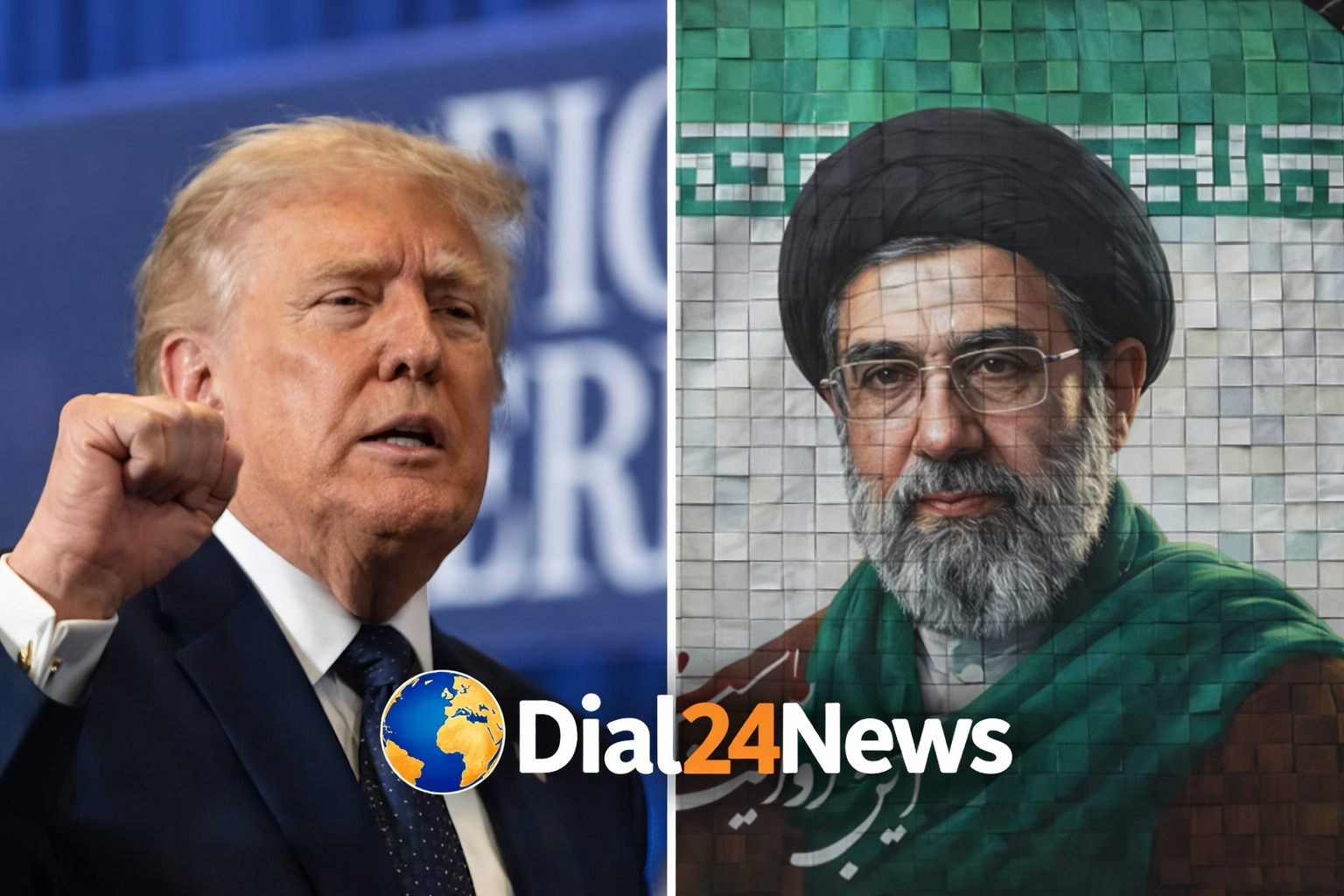
US-Iran Deal Still Frozen: Strait of Hormuz, Nuclear Dispute and Sanctions Row Keep Talks Stalled
Why the US-Iran Peace Deal Is Still Not Finalised | 10 Key Points
Tensions between the United States and Iran remain high even after repeated diplomatic efforts aimed at ending the prolonged regional crisis. Although officials from both countries have hinted at “positive progress,” critical disputes continue blocking a comprehensive agreement.
Here are the 10 biggest sticking points keeping the US-Iran peace deal from moving forward:
1. Strait of Hormuz remains the biggest obstacle
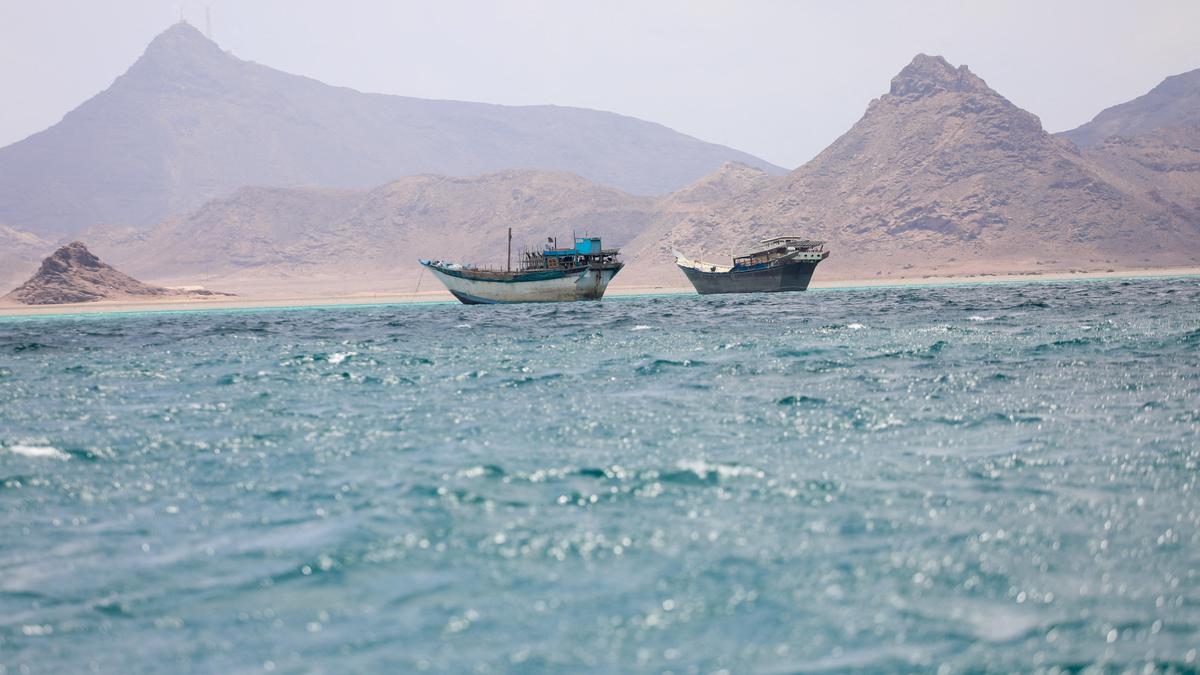
The Strait of Hormuz continues to be the central issue in negotiations. Iran wants greater authority and security control over the strategic oil route, while the US insists on unrestricted international navigation.
2. Uranium enrichment dispute unresolved
Washington is demanding strict limits on Iran’s uranium enrichment programme and broader international monitoring. Tehran refuses to completely surrender its enrichment capabilities, calling them a matter of national sovereignty.
3. Sanctions relief remains a major deadlock
Iran wants immediate lifting of oil and banking sanctions before making further concessions. The US, however, insists sanctions relief will only come after verified nuclear compliance.
4. Oil exports linked to negotiations
Iran is demanding full freedom to export oil globally without restrictions. Energy markets are closely monitoring the talks because Hormuz disruptions directly impact global crude prices.
5. Temporary ceasefire may not solve deeper tensions
Reports suggest negotiators are discussing a 60-day ceasefire arrangement to reduce immediate conflict. However, experts believe this would only delay larger unresolved disputes.
6. Iran rejects foreign pressure over nukes
Iranian officials have repeatedly said they will not abandon their nuclear programme under pressure from Western nations. Tehran argues that its programme is for peaceful purposes.
7. US demands removal of enriched uranium
American negotiators reportedly want Iran’s highly enriched uranium stockpile removed or diluted before sanctions are eased. This condition has triggered strong resistance inside Iran.
8. Gulf nations pushing for stability
Countries including Saudi Arabia, the UAE, Qatar, and Pakistan are believed to be actively encouraging both sides to avoid escalation and secure a regional agreement.
9. Israel remains sceptical of any agreement
Israeli leadership continues warning that any weak deal could strengthen Iran strategically. Concerns over Iran’s missile programme and regional influence are adding pressure on Washington.
10. Deep mistrust continues to dominate talks
Years of failed negotiations, sanctions, military strikes, and political hostility have created deep distrust between Tehran and Washington, making even temporary agreements difficult to finalise.
Latest News Update
Recent international reports suggest the US and Iran are inching closer toward a temporary framework that could reopen the Strait of Hormuz and partially ease restrictions on Iranian oil exports. However, major disagreements over uranium enrichment and sanctions remain unresolved.
US officials claim Iran has shown willingness “in principle” to discuss limits on enriched uranium, but Iranian leaders have not publicly confirmed several reported conditions.
Global oil prices have also reacted sharply to every update from the negotiations, highlighting the international importance of the Hormuz route and Gulf stability.