West Asia War LIVE: U.S. Strikes Iran for Third Night as Trump Says Deal Still ‘Possible’
West Asia War LIVE: The United States launched a third consecutive night of military strikes against Iranian targets, marking another major escalation in the ongoing conflict. Despite the renewed attacks, U.S. President Donald Trump insisted that a diplomatic agreement with Tehran remains “possible,” indicating that Washington has not completely closed the door on negotiations.
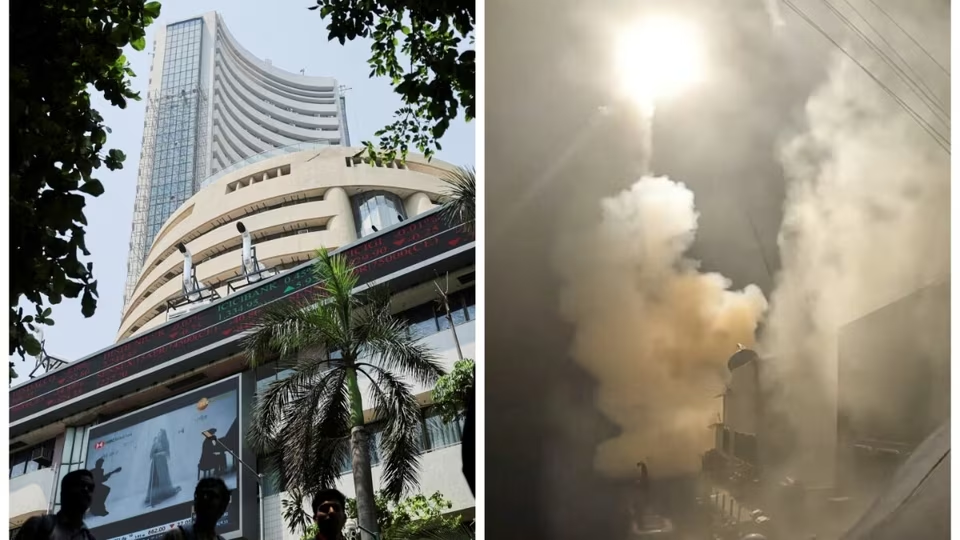
The latest developments have intensified concerns across West Asia, with global leaders closely monitoring the situation. Financial markets have also reacted, as fears of prolonged instability in the region pushed oil prices higher amid uncertainty over future developments.
U.S. Continues Military Operations
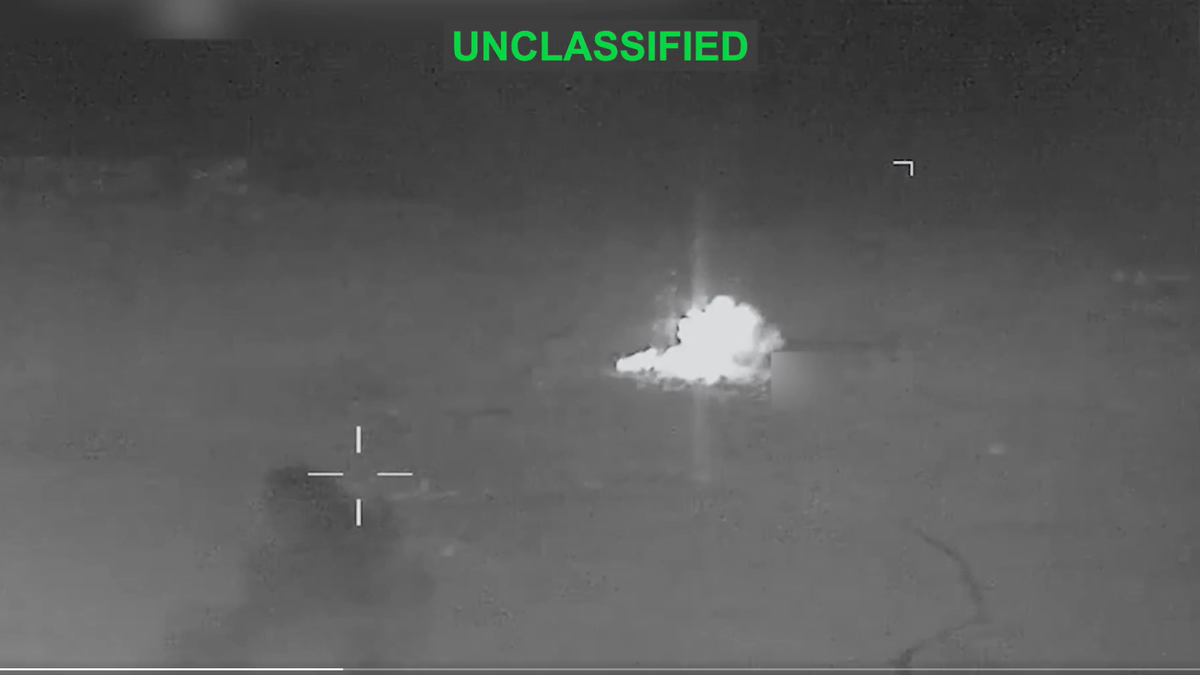
According to U.S. officials, the latest strikes targeted capabilities linked to Iran’s military operations. The action represents the third straight night of American attacks following a renewed phase of hostilities between the two countries.
Washington has maintained that the operations are intended to reduce threats to regional security while protecting U.S. interests and commercial shipping.
Trump Says Diplomacy Remains an Option
Even as military operations continued, President Donald Trump said a negotiated settlement with Iran was still “possible.”
His remarks suggest the U.S. administration is attempting to balance military pressure with the possibility of renewed diplomatic engagement. However, no timetable or framework for fresh talks has been officially announced.
Iran’s Response
Iran has strongly condemned the American strikes and warned that it reserves the right to respond.
Iranian officials have accused Washington of escalating tensions and violating regional stability. The country’s leadership has continued to insist that any future diplomatic engagement must respect Iran’s sovereignty and national interests.
Global Concerns Grow
The renewed fighting has triggered international concern, with several governments urging restraint from both sides.
Analysts warn that continued military exchanges could threaten shipping routes, disrupt energy supplies, and increase geopolitical uncertainty across the region. Diplomatic efforts by regional and international stakeholders are expected to continue in an attempt to prevent a wider conflict.
Impact on Energy Markets
The conflict has had an immediate impact on global energy markets.
Oil prices rose sharply as traders reacted to concerns over possible disruptions in West Asia, one of the world’s most important energy-producing regions. Investors remain focused on whether further military escalation could affect energy exports and international trade routes.
Diplomatic Outlook
Despite the ongoing military operations, diplomatic channels have not been entirely ruled out.
Observers believe any future negotiations would require confidence-building measures from both sides. Whether the latest escalation delays or accelerates diplomatic efforts remains uncertain.
What Happens Next?
Military and diplomatic developments are expected to evolve rapidly in the coming days.
International observers will closely watch for any further strikes, retaliatory actions, or announcements regarding possible negotiations. Governments around the world continue to call for restraint to prevent the conflict from expanding further.
Also read: India Discusses Agricultural Collaboration With Taliban Government of Afghanistan