India-Iran Ties: Iran Calls Relationship ‘Historic’ After Modi-Pezeshkian Meet
Iran has described its ties with India as long-standing, historic and civilisational after PM Modi met President Pezeshkian at the SCO Summit.
Iran has described its relationship with India as “long-standing, historic and civilisational” days after Prime Minister Narendra Modi met President Masoud Pezeshkian.
The remarks came from Iranian Foreign Ministry spokesperson Esmail Baghaei during a press briefing. Tehran said it attaches “great importance” to its relationship with New Delhi.
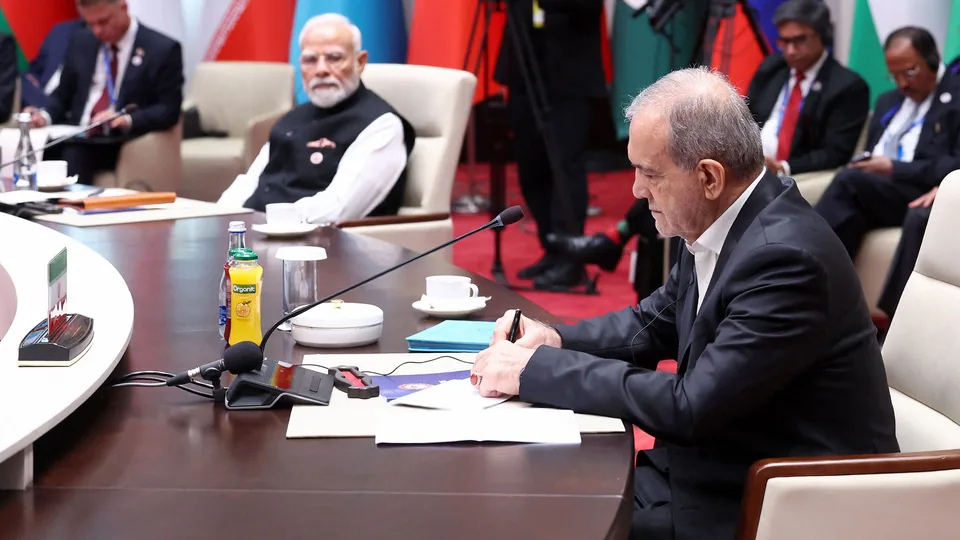
The comments followed the Modi-Pezeshkian meeting on the sidelines of the Shanghai Cooperation Organisation summit in Bishkek, Kyrgyzstan.
The two leaders discussed bilateral ties and developments in West Asia. Modi also reiterated India’s support for dialogue, diplomacy and regional stability.
Also Read: Link………………………………………………………………………………………………….
Iran highlights trade and economic cooperation
Baghaei said Iran maintains good relations with India in several areas. He specifically highlighted trade and economic cooperation between two countries.
He also pointed to India’s role in major multilateral groupings. India is a member of both SCO and BRICS, giving the relationship wider diplomatic importance.
India-Iran ties have also focused on connectivity and strategic infrastructure. Chabahar Port remains an important part of discussions between New Delhi and Tehran.
Iran said consultations with India regularly cover Chabahar and other areas of mutual interest. Tehran also expects the upcoming BRICS Summit to create more opportunities for bilateral engagement.
Modi, Pezeshkian discuss regional tensions
Modi and Pezeshkian met as tensions continue across West Asia. India has repeatedly called for diplomatic efforts to resolve regional conflicts.
According to Prime Minister’s Office, Modi stressed the need to protect freedom of navigation and commerce. He also said civilians and commercial shipping must remain protected.
Modi said India would continue supporting efforts aimed at lasting peace. The two countries also discussed cooperation through organisations such as BRICS and the SCO.
US watches India-Iran engagement
The renewed diplomatic engagement comes amid pressure from Washington over Iran’s economic ties with other countries.
US Secretary of State Marco Rubio recently warned against helping Tehran evade American sanctions. He also said countries have the right to pursue their own foreign policies.
The issue adds another layer to India’s balancing act. New Delhi maintains strategic relationships with both Washington and Tehran.
Chabahar remains a key focus
Chabahar Port is central to India’s connectivity plans involving Iran and Central Asia. The facility provides India with an alternative route towards Afghanistan and other regional markets.
Baghaei said Chabahar is among issues regularly discussed between the two countries. Iran also said relationship with India continues to develop.
The upcoming BRICS meeting could provide another opportunity for the two sides to discuss trade and strategic cooperation.
What lies ahead for bilateral relations
Iran’s latest comments signal Tehran’s interest in maintaining close engagement with New Delhi.
For India, relationship involves trade, connectivity, energy interests and regional diplomacy. Chabahar also gives partnership wider strategic significance.
With President Pezeshkian expected at the BRICS Summit in New Delhi, further discussions between two countries are likely.
Why Chabahar Port matters to India
Chabahar Port remains one of most important strategic projects in India-Iran relations. The port gives India access to Afghanistan and Central Asian markets without relying entirely on routes through Pakistan.
India balances ties amid regional tensions
India has consistently supported diplomacy and peaceful solutions to regional conflicts. It has also stressed the importance of protecting civilians, trade routes and commercial shipping.
New Delhi has maintained dialogue with Tehran while also strengthening its relationship with the United States and other Western partners.
The latest statements from Tehran suggest that both sides want to keep their bilateral engagement active. The focus is likely to remain on connectivity, trade and regional stability.