

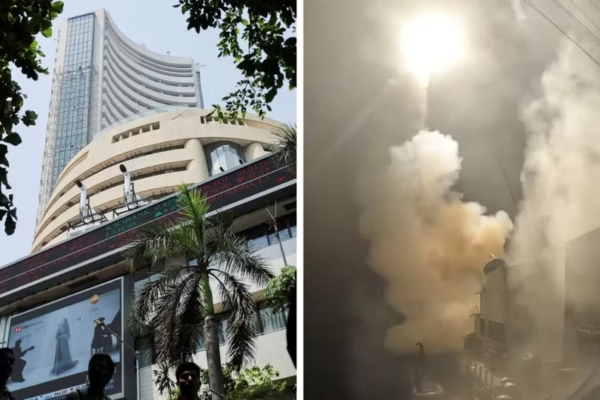








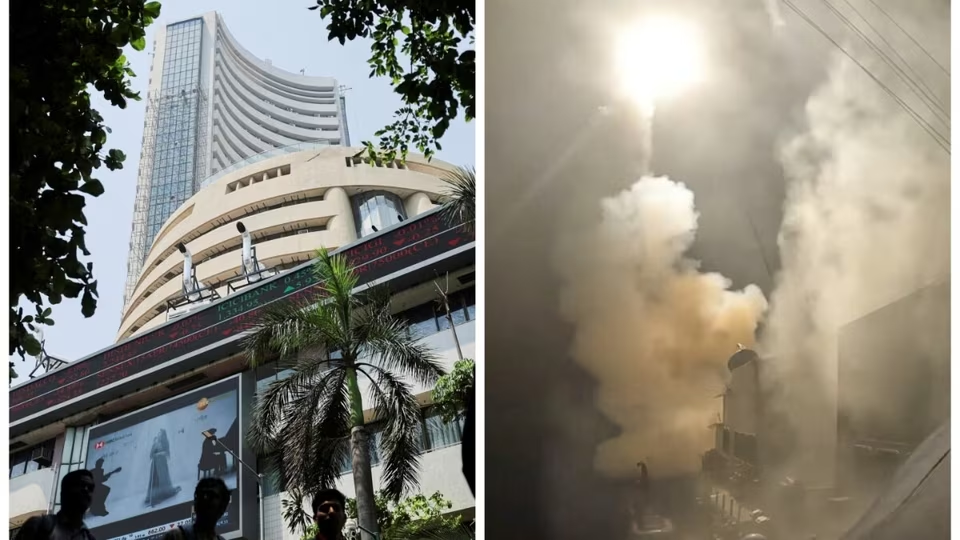
Sensex, Nifty Fall Today: US-Iran Conflict Pushes Brent Crude Above $95
Indian markets came under pressure as US-Iran tensions sent Brent crude above $95, increasing inflation risks and concerns over higher interest rates.
Indian benchmark indices faced strong selling pressure on Wednesday as fresh US-Iran tensions pushed crude oil prices higher. Rising energy costs added to concerns over inflation and the global interest-rate outlook.
The Sensex Nifty fall today came as Asian markets also traded lower. The Nifty 50 fell 0.89% to 23,841.40, while the Sensex declined 0.79% to 76,333.20 by 9:46 am IST, Reuters reported.
Also Read: delhi news…
Brent crude moves above $95
Brent crude gained around 1% to $95.40 a barrel in early trading. Prices had earlier touched a near six-week high amid concerns over possible supply disruptions.
The rise followed fresh US strikes targeting Iran and Iran’s response. Investors fear a prolonged conflict could threaten oil supplies and energy routes across the Middle East.
Why Indian markets are falling
India is particularly sensitive to higher crude prices because it relies heavily on imported oil. A sustained rise in energy costs could increase the import bill and add pressure on inflation.
Higher inflation can also affect expectations around interest rates. Rising US Treasury yields are further reducing the appeal of emerging-market investments.
The selling remained broad across the Indian market. All 16 major sectors recorded losses, while small-cap stocks fell 0.8% and mid-caps declined 1.1%, Reuters reported.
Airlines, auto stocks under pressure
Several oil-sensitive sectors faced pressure as crude prices climbed. Airlines, tyre makers, paint companies and automobile-related stocks were among vulnerable segments.
Higher fuel and transportation expenses can raise operating costs for businesses.
Global markets also feel the pressure
Also Read: About delhi school….
The weakness extended beyond Indian equities. Asian markets declined investors assessed impact of higher oil prices, rising bond yields and geopolitical uncertainty.
US stocks also ended lower on Tuesday following the jump in crude prices. The S&P 500 fell 0.71%, while the Dow Jones Industrial Average declined 0.79%. The Nasdaq dropped 1.03%.
What investors are watching
Investors will closely monitor developments in the US-Iran conflict and further movements in crude oil prices. Any additional escalation could increase volatility across global markets.
Domestic investors will also track the rupee, foreign investment flows and US Treasury yields. Expensive oil and higher global borrowing costs remain key risks for Indian equities.
Investors brace for more volatility
Indian investors are preparing for heightened volatility as geopolitical tensions continue to influence global markets. The combination of rising crude prices, higher bond yields and uncertainty around the conflict is keeping traders cautious.
Rupee comes under pressure
The Indian rupee also remained under pressure as concerns over expensive crude increased. Higher oil prices can raise India’s import costs and put pressure on the currency.
Nifty holds key 24,000 level
The Nifty’s move around the 24,000 mark has become important focus for investors. Continued selling below level could keep sentiment weak in near term.
Which stocks are in focus
Oil-sensitive companies remain among the key stocks on investors’ radar. Airlines, tyre makers, paint companies and oil marketing firms could see increased volatility crude prices move higher.
Global cues remain weak
US markets ended lower as investors reacted to higher oil prices and rising Treasury yields. The S&P 500, Dow Jones and Nasdaq all declined in Tuesday’s session.
Asian markets also opened under pressure on Wednesday. Investors are now assessing whether the latest geopolitical escalation could create a longer-lasting energy shock.
What could decide the next market move
Crude oil is likely to remain one of the biggest triggers for Indian equities. A further rise could increase inflation worries and weigh on sectors with high fuel costs.