Venezuela earthquake LIVE: At least 164 dead, 971 injured in quakes, says Interim President Delcy Rodríguez
The Venezuela Earthquake has become one of the deadliest natural disasters to strike the South American nation in recent decades. Two powerful earthquakes measuring approximately 7.2 and 7.5 in magnitude struck within less than a minute of each other, causing widespread destruction across multiple regions of the country. The quakes were felt far beyond Venezuela’s borders, triggering evacuations and emergency responses in neighboring areas.
Authorities described the seismic event as one of the strongest to hit Venezuela in more than a century. Buildings collapsed, roads cracked, power systems failed, and communication networks were disrupted in several affected regions.
Death Toll Climbs to 164
According to Interim President Delcy Rodríguez, at least 164 people have been confirmed dead while 971 others have suffered injuries. Officials cautioned that the numbers could continue rising as rescue teams reach heavily damaged areas and search through collapsed structures.
Initial reports had indicated significantly lower casualty figures, but authorities later revised the toll upward as more information became available from remote and severely affected locations. Rescue workers continue searching for survivors trapped beneath rubble, raising hopes that additional lives can still be saved.
Many hospitals are operating under emergency conditions as medical teams work around the clock to treat hundreds of injured residents.
Caracas and La Guaira Among Worst-Hit Areas
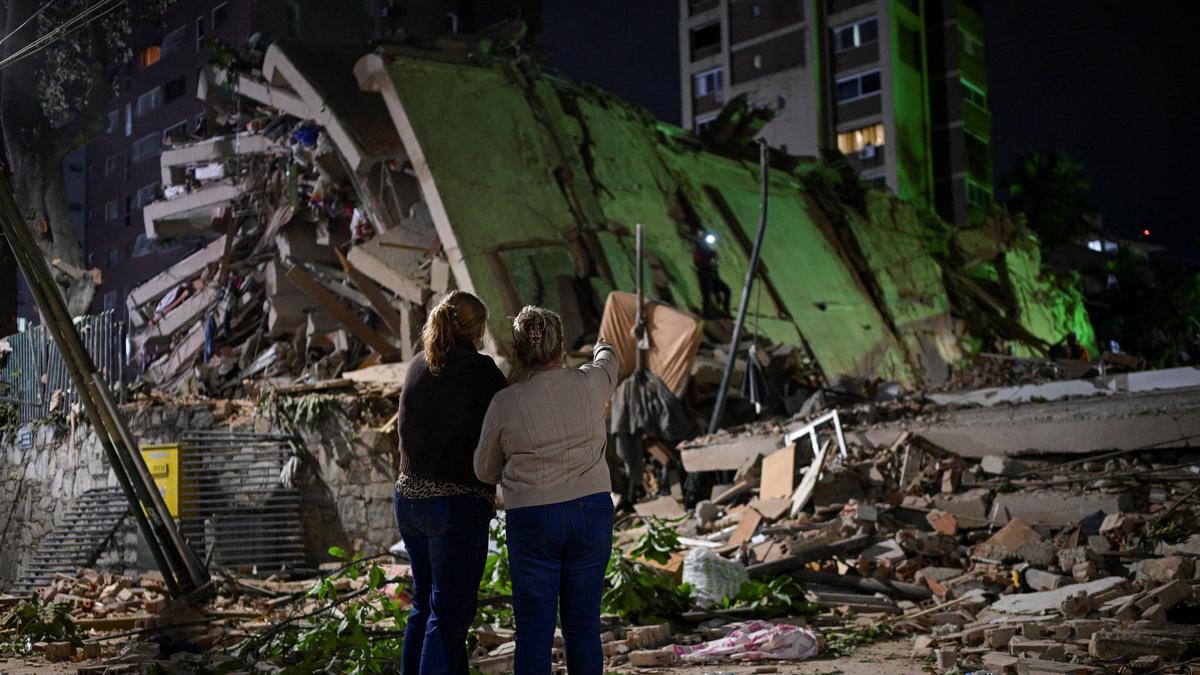
The capital city, Caracas, suffered extensive damage as buildings swayed violently and several structures partially or completely collapsed. Witnesses described scenes of panic as residents rushed into streets while dust clouds rose from damaged buildings.
Officials identified La Guaira as one of the hardest-hit regions. Delcy Rodríguez described the coastal state as a “disaster zone” after dozens of buildings reportedly collapsed. Authorities fear that many victims remain trapped beneath debris in the area.
Other regions also reported significant structural damage, road blockages, and disruptions to essential services.
Massive Rescue Operations Underway
Rescue teams have launched large-scale operations across the country.
Emergency personnel are using:
- Heavy construction equipment
- Search-and-rescue dogs
- Thermal imaging devices
- Power cutting tools
- Medical evacuation units
Television footage showed rescuers working through piles of rubble while searching for survivors. Several dramatic rescues have already been reported, including children being pulled alive from collapsed buildings.
Authorities are prioritizing locations where survivors may still be trapped and have appealed for additional equipment to accelerate operations.
State of Emergency Declared
Following the disaster, the government declared a nationwide state of emergency.
Officials implemented several emergency measures, including:
Airport Closures
The country’s main international airport sustained damage and was temporarily shut down.
School Suspensions
Classes have been canceled in multiple regions as authorities assess structural safety.
Public Safety Measures
Citizens have been advised to remain outdoors where possible because aftershocks could further weaken damaged buildings.
Emergency Medical Mobilization
Healthcare workers have been called upon to assist hospitals overwhelmed by casualties.
Government agencies continue coordinating response efforts across affected regions.
International Aid Begins Arriving
The scale of the disaster has prompted support from countries around the world.
Several governments have offered:
- Search-and-rescue personnel
- Medical supplies
- Humanitarian assistance
- Emergency response equipment
International organizations are also coordinating relief efforts to help Venezuela manage the growing humanitarian crisis.
World leaders have expressed condolences to victims’ families and pledged support for recovery operations.
Challenges Facing Rescue Teams
Despite ongoing efforts, rescuers face significant obstacles.
Continuous Aftershocks
More than 30 aftershocks have been reported, creating dangerous conditions for both survivors and rescue workers.
Damaged Infrastructure
Collapsed roads and damaged transportation networks are slowing access to some areas.
Communication Disruptions
Power outages and mobile network failures have complicated coordination efforts.
Growing Humanitarian Needs
Thousands of residents have been displaced and require shelter, food, water, and medical assistance.
Emergency officials warn that recovery and reconstruction could take months or even years.
Also read: Kolkata Warehouse Collapse: Five Killed, Several Injured as Taratala Rescue Operations Continue