US Senate War Powers Resolution Passes in Rare Rebuke to Trump Over Iran Conflict
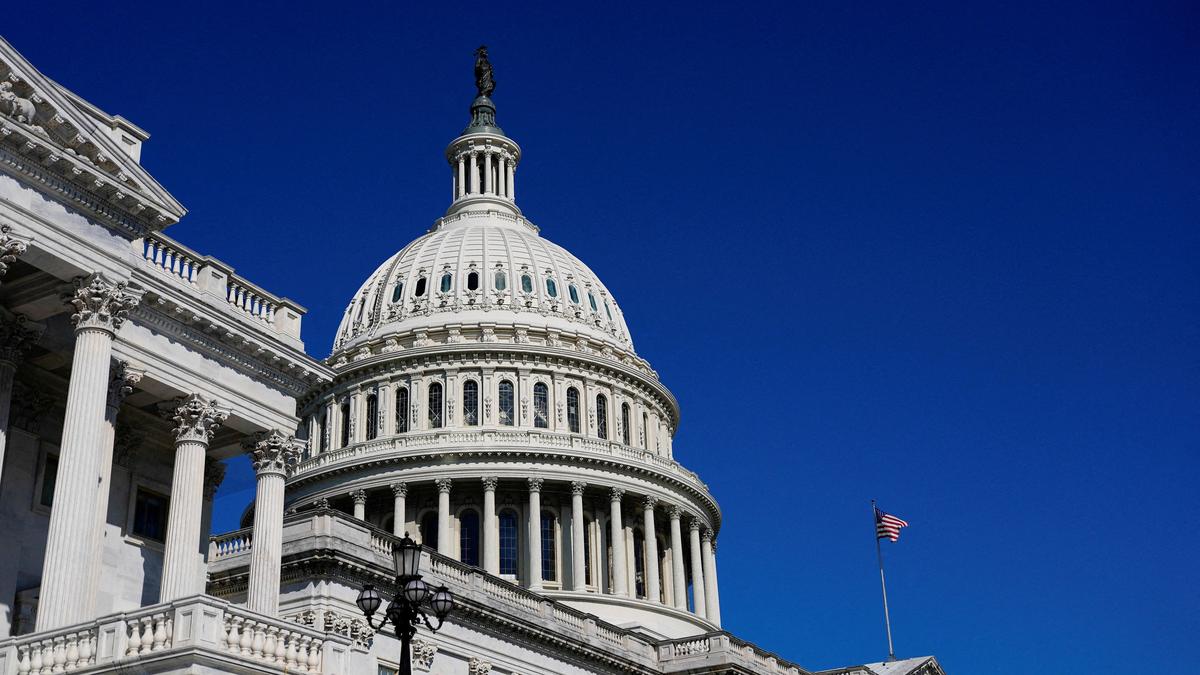
The US Senate War Powers Resolution made history after the Senate approved a measure seeking to limit President Donald Trump’s ability to continue military action against Iran without congressional authorization. The vote marked the first time the Senate successfully passed such a resolution concerning the ongoing Iran conflict, representing a significant bipartisan challenge to executive war powers.
The development comes amid growing concerns in Washington over the costs, risks, and long-term consequences of the conflict. Lawmakers from both parties argued that Congress must play a greater role in decisions involving military action overseas.
Senate Approves Historic Resolution
The Senate approved the resolution by a narrow vote of 50-48. Four Republican senators joined Democrats in supporting the measure, while one Democrat voted against it. The outcome highlighted unusual bipartisan agreement on the issue of congressional oversight of military operations.
The resolution seeks to direct the administration to end unauthorized military involvement in Iran unless Congress specifically approves further action. Supporters described the vote as an important step toward restoring constitutional checks and balances.
The measure had already passed the House of Representatives earlier this month, making Senate approval a notable milestone in congressional efforts to influence U.S. policy toward Iran.
What Is the War Powers Resolution?
The War Powers Resolution was enacted in 1973 to ensure that Congress retains authority over decisions involving military conflict.
Under the law:
- The president can deploy military forces under certain circumstances.
- Congress must be informed of military action.
- Extended military operations generally require congressional approval.
- Lawmakers can attempt to limit or end military involvement through resolutions.
The legislation was designed to balance presidential authority as commander-in-chief with Congress’s constitutional power to declare war.
Supporters of the latest resolution argue that it reinforces these principles during the ongoing Iran conflict.
How the Senate Vote Unfolded
The vote reflected increasing concern among lawmakers about the administration’s handling of the conflict.
Several Republican senators broke with their party leadership and supported the resolution. Their votes proved decisive in securing passage. Observers noted that growing public skepticism about the conflict contributed to the political pressure surrounding the vote.
Lawmakers backing the measure argued that major military decisions should not proceed without direct congressional involvement. Opponents contended that the president requires flexibility to respond to international security threats.
Why Congress Challenged Trump
The resolution emerged against the backdrop of months of military tensions involving Iran.
Critics of the administration argued that:
Congressional Authority Must Be Protected
Many lawmakers believe Congress should have a direct role in authorizing prolonged military engagements.
Financial Costs Are Increasing
The conflict has generated concerns about defense spending and the broader economic impact of military operations.
Public Opinion Has Shifted
Recent surveys cited by lawmakers indicate growing public unease regarding the conflict and its long-term consequences.
These concerns helped build bipartisan support for the resolution despite strong opposition from the White House.
Political Reactions to the Vote
The Senate’s decision immediately triggered strong political reactions.
President Trump dismissed the resolution and argued that it would not affect his administration’s ability to manage foreign policy and national security. The White House has maintained that such resolutions are constitutionally questionable and largely symbolic.
Meanwhile, supporters described the vote as an important statement that Congress intends to reassert its constitutional responsibilities regarding war powers. Several lawmakers characterized the outcome as a warning against unchecked executive authority.
Political analysts noted that the vote reflects broader debates about presidential power, congressional oversight, and U.S. involvement in overseas conflicts.
What Happens Next?
Although the resolution represents a significant political message, its practical impact remains uncertain.
Legal experts note that questions surrounding the enforceability of war powers resolutions have existed for decades. Courts have often been reluctant to intervene in disputes between Congress and the executive branch regarding military authority.
However, the vote sends a strong signal that lawmakers are increasingly willing to challenge military actions that proceed without explicit congressional approval.
The issue is expected to remain a major topic of debate as negotiations involving Iran continue and policymakers evaluate future U.S. involvement in the region.
Also read: CBI Arrests Second Haryana IAS Officer in ₹657 Crore Bank Scam Probe