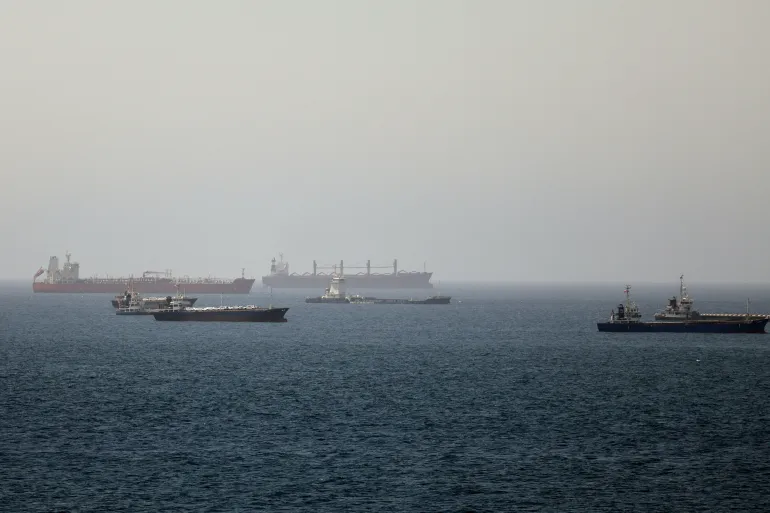
Strait of Hormuz Oil Prices Rise After Ship Attack Halts UN Evacuation Plan
The Strait of Hormuz Oil Prices surged after a cargo vessel was struck by an unidentified projectile near the coast of Oman, reigniting concerns about energy supplies from the Middle East. The incident prompted the United Nations’ International Maritime Organization (IMO) to temporarily suspend its voluntary ship evacuation initiative through the Strait of Hormuz, raising fears that shipping disruptions could intensify once again.
Brent crude futures rose by more than 2% to settle around $75.26 per barrel, while U.S. West Texas Intermediate (WTI) crude also gained over 2%, closing near $71.92 per barrel. Traders reacted to the renewed uncertainty surrounding one of the world’s most critical maritime oil routes.
What Happened Near Oman?
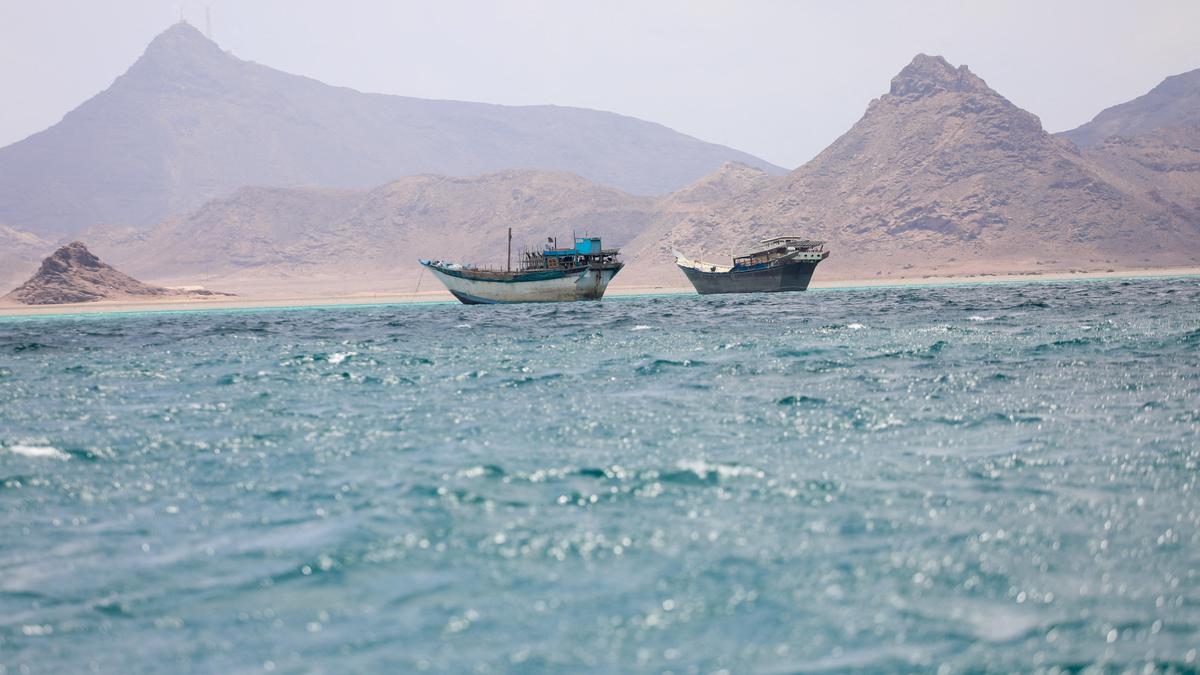
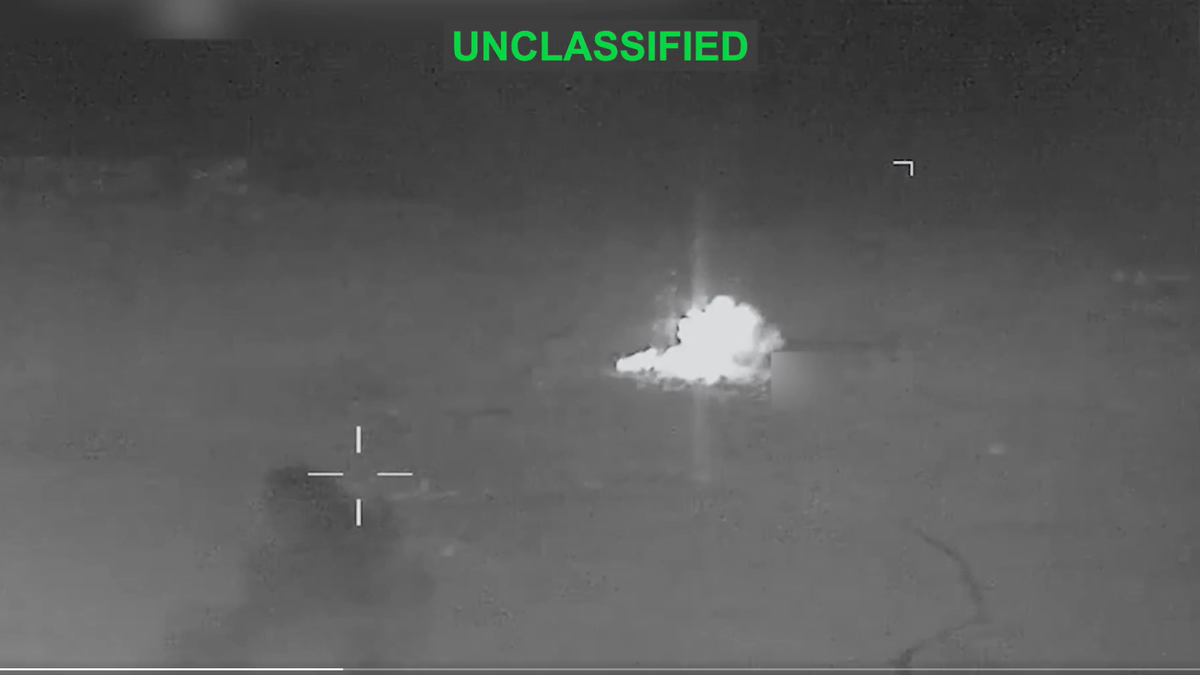
According to maritime authorities, a Singapore-flagged cargo vessel reported being hit by an unknown projectile while sailing close to Oman. The ship was not part of the UN-backed evacuation convoy but was operating near the designated shipping routes through the Strait of Hormuz. Initial reports indicated there were no casualties, and the vessel continued its journey after sustaining damage.
Following the attack, the IMO announced that it was pausing its evacuation program to reassess security conditions for participating ships and seafarers. The agency said the suspension was necessary until adequate safety guarantees could be confirmed.
UN Suspends Ship Evacuation Initiative
The IMO launched the evacuation initiative earlier this week to help hundreds of commercial vessels and thousands of stranded seafarers safely exit the Persian Gulf after months of disruption caused by regional conflict.
Before the suspension:
- Around 57 ships had successfully used the designated evacuation routes.
- More than 1,100 seafarers had been assisted.
- The operation involved cooperation between Oman, Iran, the United States, and international maritime stakeholders.
However, the latest security incident forced the UN agency to halt operations while it reviews the risks facing commercial shipping.
Why the Strait of Hormuz Matters
The Strait of Hormuz is one of the world’s most strategically important maritime chokepoints.
Approximately one-fifth of global oil trade normally passes through the narrow waterway connecting the Persian Gulf to international markets. Any disruption in the region can quickly affect global crude oil prices, shipping costs, and energy security.
Major oil-exporting nations—including Saudi Arabia, Iraq, Kuwait, the United Arab Emirates, and Qatar—depend on the strait to transport crude oil and liquefied natural gas (LNG) to customers worldwide.
Because of this strategic importance, even isolated security incidents often trigger immediate reactions in global commodity markets.
Market Reaction and Oil Price Movement
Energy traders responded quickly to the renewed geopolitical uncertainty.
Key market developments included:
- Brent crude rose more than 2%.
- WTI crude gained over 2%.
- Shipping insurance premiums increased amid higher perceived risks.
- Freight rates for tankers operating in the Gulf remained elevated.
Although prices moved higher following the attack, analysts noted that oil markets remain volatile. On the following trading day, prices eased as additional tankers resumed transiting the Strait of Hormuz and supply concerns moderated somewhat.
Impact on Global Energy Markets
The latest incident has renewed concerns across the energy sector.
Higher Shipping Costs
Increased security risks can raise insurance premiums and transportation expenses for oil tankers.
Supply Chain Uncertainty
Any prolonged disruption could delay crude oil shipments to major importing regions in Asia and Europe.
Inflation Risks
Higher oil prices often translate into increased fuel and transportation costs, potentially affecting inflation worldwide.
Energy Market Volatility
Commodity markets remain highly sensitive to developments in the Middle East, with investors closely monitoring diplomatic and military events.
Despite the current uncertainty, analysts believe the overall impact on long-term oil supplies will depend on whether maritime traffic through the Strait of Hormuz continues without further incidents.
What Happens Next?
The coming days will be crucial for global energy markets.
Authorities are expected to:
- Reassess security arrangements for commercial shipping.
- Determine when the UN evacuation initiative can safely resume.
- Monitor maritime traffic through the Strait of Hormuz.
- Continue diplomatic efforts to reduce regional tensions.
Shipping companies are also reviewing their routes and operational plans while awaiting updated guidance from international maritime authorities.
Also read: Dehradun Nihang Sikh Standoff Ends After Talks; Normalcy Restored in City