
PIL Before Delhi High Court Alleges Continued Police Surveillance Of Peaceful Protesters At Jantar Mantar
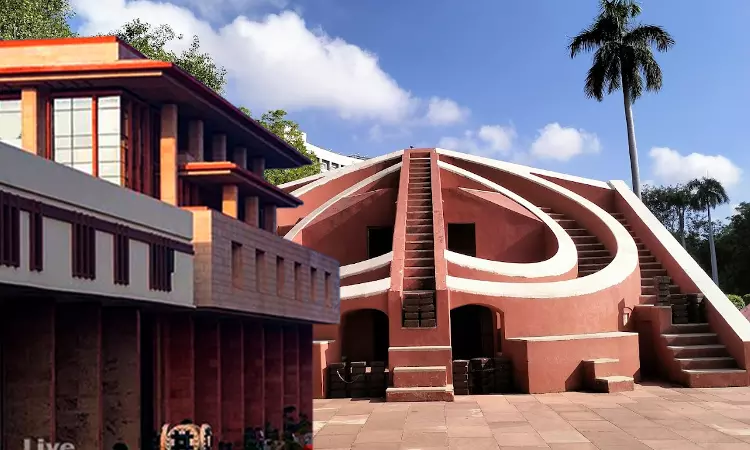
PIL before Delhi High Court alleges continued police surveillance of peaceful protesters at Jantar Mantar, with the petition claiming that continuous monitoring by Delhi Police has created an atmosphere of intimidation and infringed upon the constitutional rights of demonstrators. The Public Interest Litigation (PIL) urges the court to intervene, arguing that protesters engaged in a peaceful sit-in are being subjected to constant photography, videography, and monitoring without lawful justification.
The matter has drawn attention as it comes amid ongoing protests and hunger strikes at Jantar Mantar, with the Delhi High Court agreeing to hear the PIL on July 20 after it was mentioned for urgent listing.
Petition Challenges Alleged Police Monitoring
The PIL alleges that Delhi Police personnel have been continuously recording protesters through mobile phones and cameras while maintaining round-the-clock surveillance at the protest site.
According to the petitioner, such monitoring has created an “atmosphere of intimidation” that discourages citizens from exercising their democratic right to participate in peaceful protests. The plea contends that these actions go beyond routine law enforcement and amount to intrusive surveillance.
Privacy And Free Speech Concerns Raised
The petition argues that the alleged surveillance violates fundamental rights guaranteed under the Constitution, particularly the rights to privacy, freedom of speech, and peaceful assembly.
Senior counsel representing the petitioner submitted that continuous recording of protesters without any specific security threat could have a chilling effect on public participation in democratic demonstrations. The plea seeks judicial directions to prevent what it describes as unnecessary and disproportionate monitoring.
Delhi High Court To Hear Matter
The PIL was mentioned before a bench headed by Chief Justice D.K. Upadhyaya and Justice Tejas Karia.
Taking note of the request for an urgent hearing, the bench agreed to list the matter for July 20, instead of the regular schedule for PIL hearings. The court is expected to examine whether the alleged surveillance practices are consistent with constitutional protections and existing legal principles governing peaceful protests.
Protest Continues At Jantar Mantar
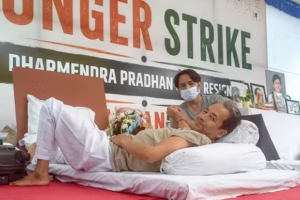
The petition is linked to the ongoing demonstrations at Jantar Mantar, where protesters have been staging a peaceful sit-in and hunger strike over public issues. The demonstrators claim that despite conducting a non-violent protest, they have remained under constant observation by police personnel.
The plea does not seek to prevent normal policing or security arrangements but argues that continuous documentation of every participant exceeds what is necessary to maintain public order.
Delhi Police Yet To Present Response
As of now, Delhi Police has not filed its detailed response before the High Court regarding the allegations made in the PIL.
The court is expected to hear arguments from both sides before deciding whether any interim directions are required concerning police conduct at the protest site. The outcome could provide further clarity on the balance between maintaining security and protecting citizens’ constitutional rights during public demonstrations.
Why The Case Matters
The petition raises broader questions about the extent to which law enforcement agencies can monitor peaceful public protests. While authorities have a responsibility to maintain law and order, civil rights advocates argue that excessive surveillance may discourage people from exercising their democratic freedoms.
The High Court’s eventual ruling could have implications for how protests are policed in the national capital and elsewhere, particularly regarding the use of photography, videography, and digital surveillance during public gatherings.
PIL before Delhi High Court alleges continued police surveillance of peaceful protesters at Jantar Mantar, bringing the debate over privacy and the right to protest before the judiciary. With the High Court set to hear the matter on July 20, the case is expected to examine whether the alleged continuous monitoring by Delhi Police strikes the right balance between public security and constitutional freedoms. The court’s decision could influence future guidelines on policing peaceful demonstrations.
also read: One Dead, Around 100 Injured In Stampede At Rath Yatra In Puri