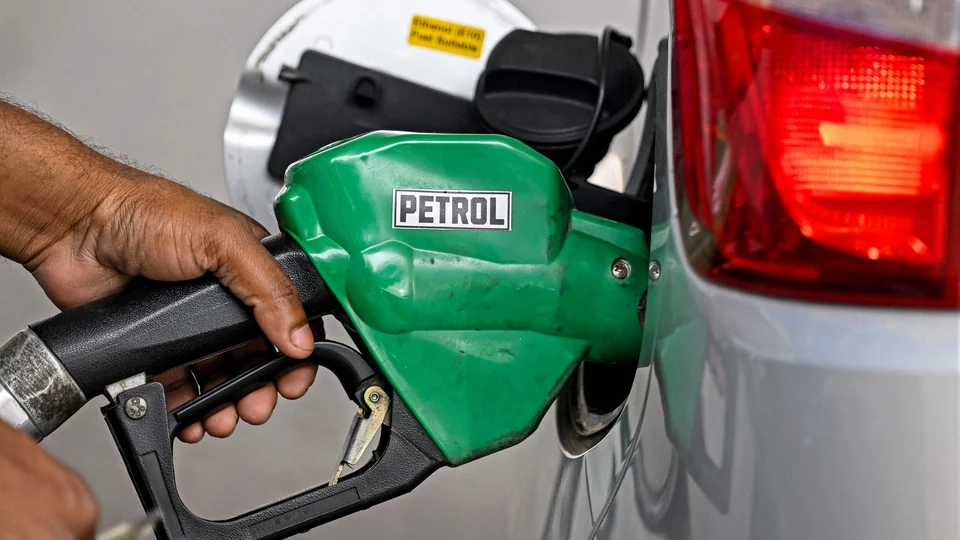
Petrol Pump Safety: Why You Should Always Turn Off Your Engine
Why Do Petrol Pumps Ask You to Switch Off Your Engine While Refuelling?
Everyday activities often become habits that we follow without thinking twice. One such routine is switching off your vehicle’s engine when you arrive at a petrol pump. You may have noticed the staff reminding customers to turn off their engines before refuelling. But have you ever wondered why this simple rule is so important?
The answer is primarily safety.
Why Should You Switch Off the Engine at a Petrol Pump?
Petrol and diesel are highly flammable fuels. During refuelling, fuel vapours can be released into the surrounding air. Although the risk of ignition is generally low, petrol pumps handle large quantities of fuel, making precautions extremely important.
Keeping the engine switched off helps reduce potential sources of ignition around the fuel dispenser.
Can a Running Engine Cause a Fire?
A vehicle’s running engine contains several components that generate heat and use electricity. While modern vehicles are designed with multiple safety systems, there is still no reason to keep the engine running while fuel is being filled.
A petrol station is a controlled environment where even a small ignition source can potentially become dangerous if it comes into contact with fuel vapours.
That is why petrol pumps follow strict safety procedures, including asking motorists to switch off their engines.
What About Electrical Sparks?
A vehicle’s electrical system is another reason why switching off the engine is considered a sensible precaution. Starting, stopping or operating electrical components can potentially create sparks under certain circumstances.
Turning the engine off minimises unnecessary electrical activity while the fuel tank is open.
Why Is Static Electricity Also a Concern?
Static electricity is another potential source of ignition. You may sometimes notice a small static shock after getting out of a vehicle. While such incidents are usually harmless, fuel vapours around a petrol dispenser can make ignition risks more serious.
For this reason, customers should avoid unnecessary movement while refuelling and follow the instructions provided by petrol pump staff.
Why Should You Avoid Using Your Phone While Refuelling?
You may also see signs asking customers not to use mobile phones while refuelling. The main reason is to minimise distractions and reduce the possibility of unsafe behaviour around fuel.
Instead of using your phone, it is better to remain attentive and follow the petrol station’s safety instructions until refuelling is complete.
What Other Safety Rules Should You Follow?
Switching off the engine is only one part of petrol pump safety. Drivers and passengers should also:
- Avoid smoking near fuel dispensers.
- Do not use open flames or lighters.
- Follow instructions given by petrol pump staff.
- Avoid unnecessary movement around the vehicle during refuelling.
- Do not restart the vehicle until refuelling is completely finished.
- Make sure the fuel cap is properly closed before driving away.
A Small Habit That Can Prevent a Big Risk
Switching off your engine takes only a few seconds, but it is an important safety precaution. Petrol stations are designed to handle fuel safely, but customers also have a role to play.
So, the next time you stop at a petrol pump, don’t think of switching off your engine as just another rule. It is a simple safety habit designed to reduce avoidable risks while your vehicle is being refuelled.
Final Takeaway
The next time a petrol pump attendant asks you to switch off your engine, remember that the request is not simply routine. Fuel vapours, electrical systems, heat and static electricity can all create potential risks in a refuelling environment.
Keeping the engine off, avoiding smoking and following the station’s safety instructions can help make refuelling safer for everyone.