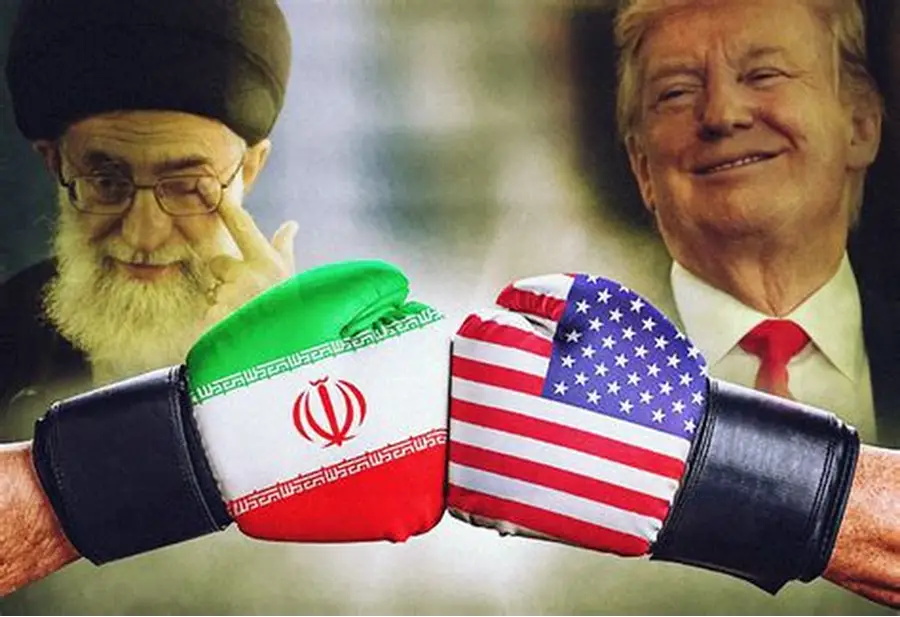
“Are the US and Iran negotiating a 45-day ceasefire? What the latest report reveals”
“The plan outlines a short-term ceasefire within a two-stage strategy aimed at bringing the conflict to an end.
Updated on: Apr 06, 2026 10:28 AM IST”

US, Iran explore 45-day ceasefire plan as diplomatic push intensifies
A renewed diplomatic effort is underway between the United States and Iran, with reports suggesting that both sides—along with key regional mediators—are considering a temporary 45-day ceasefire as part of a broader strategy to end the ongoing conflict in West Asia. The proposed arrangement, according to multiple reports, is structured as a two-phase framework, where an initial truce would create space for negotiations toward a permanent resolution.

The development comes at a critical juncture, as tensions in the region continue to escalate following weeks of intense military exchanges involving the US, Iran, and allied forces. While the ceasefire plan is being described as a potential breakthrough, officials familiar with the discussions caution that the chances of an immediate agreement remain uncertain.
Two-phase roadmap for peace
At the core of the proposal lies a carefully designed two-stage plan. The first phase envisions a temporary ceasefire lasting approximately 45 days, during which both sides would halt major military operations. This pause is intended to allow negotiators to address key issues, including regional security concerns, nuclear tensions, and the reopening of critical trade routes such as the Strait of Hormuz.
If progress is made during this initial period, the second phase would involve formalizing a long-term agreement aimed at ending hostilities altogether. Reports indicate that the ceasefire period could be extended if additional time is required to finalize terms, highlighting the flexible nature of the proposal.
Diplomatic sources suggest that this phased approach is designed to build trust incrementally between the parties, especially given the deep mistrust that has defined US-Iran relations for decades.

Urgency driven by looming deadline
The urgency surrounding the ceasefire talks has been amplified by a deadline reportedly set by US President Donald Trump, who has demanded that Iran take steps to de-escalate tensions, including reopening the strategically vital Strait of Hormuz.
Failure to reach an agreement within the specified timeframe could trigger further military escalation. Reports indicate that contingency plans for large-scale strikes on Iranian infrastructure are already in place, raising the stakes for ongoing negotiations.
This pressure has led to what analysts describe as “last-ditch efforts” by mediators to secure at least a temporary truce. Countries such as Turkey, Egypt, and others are believed to be actively facilitating communication between Washington and Tehran, attempting to bridge differences on key issues.

Ground realities: conflict continues
Despite the diplomatic push, the situation on the ground remains volatile. Recent days have seen continued airstrikes, missile launches, and drone attacks across multiple locations in the region. Civilian casualties and damage to infrastructure have further intensified international calls for restraint.
The conflict has also had significant global repercussions. Disruptions in the Strait of Hormuz—a crucial artery for global oil supplies—have contributed to rising energy prices and heightened economic uncertainty worldwide.
Additionally, retaliatory actions by Iran targeting energy facilities and strategic assets in Gulf countries have widened the scope of the conflict, increasing fears of a broader regional war.

Skepticism over success
While the ceasefire proposal has generated cautious optimism, several reports indicate that the likelihood of reaching a deal in the immediate future remains low. Key sticking points include disagreements over Iran’s nuclear program, security guarantees, and the terms under which sanctions might be eased.
Sources familiar with the negotiations have suggested that both sides remain deeply entrenched in their positions, making compromise difficult.
Iran has also publicly rejected certain US claims regarding ceasefire intentions in the past, reflecting the ongoing mistrust between the two nations.

International pressure and global stakes
The unfolding situation has drawn widespread attention from the international community. Global powers, including the United Nations, China, and Russia, have called for an immediate ceasefire to prevent further escalation and humanitarian crises.
Religious leaders and humanitarian organizations have also urged restraint, warning that continued conflict could lead to catastrophic consequences for civilians in the region.
Experts note that the proposed 45-day ceasefire, while temporary, could serve as a crucial stepping stone toward a more comprehensive peace agreement—if both sides are willing to engage constructively.

A narrow window for diplomacy
As negotiations continue behind closed doors, the coming days are expected to be decisive. The proposed ceasefire represents not only a chance to halt immediate violence but also an opportunity to reset diplomatic relations between the US and Iran.
However, the path forward remains fraught with challenges. With military options still on the table and political pressures mounting on both sides, the success of the initiative will depend largely on whether leaders can prioritize diplomacy over confrontation.