Delhi Cabinet Clears Ease of Doing Business Bill 2026 With Major Business Reforms
Delhi Cabinet clears the Ease of Doing Business Bill 2026, proposing single-window approvals, deemed clearances and fewer inspections.
The Delhi Cabinet has cleared the draft Ease of Doing Business Bill, 2026. The proposed law aims to simplify approvals and reduce compliance hurdles for businesses.
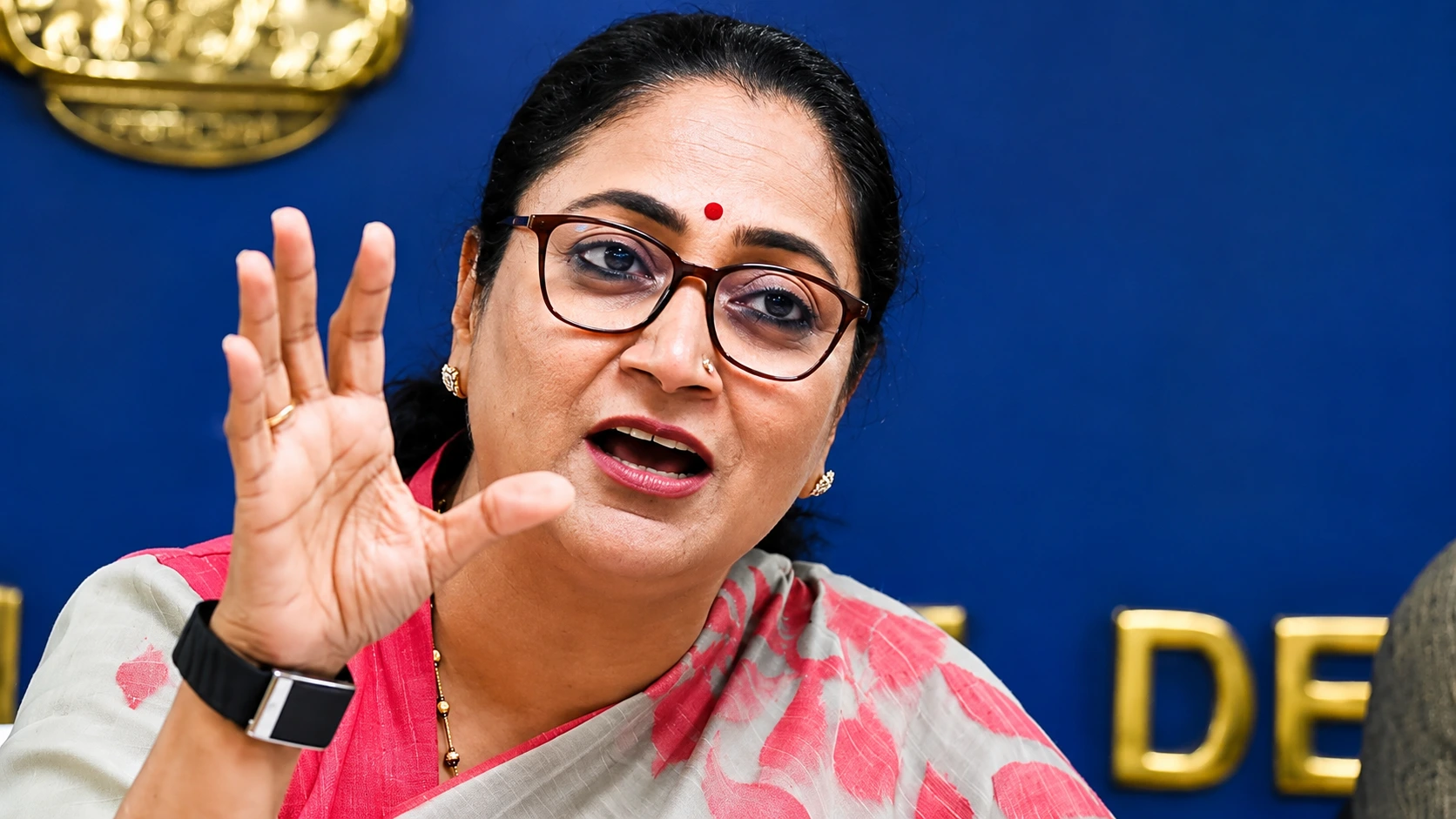
The Cabinet approved the draft at a meeting chaired by Chief Minister Rekha Gupta. The proposal has now been sent to the Union Home Ministry for further action.
The Delhi Ease of Doing Business Bill proposes a single online platform for several government approvals. Businesses could use the system for licences, registrations, clearances and utility connections.
Single-window system proposed for businesses
The proposed system would bring multiple approvals under one online portal. These include building plans, factory licences, fire clearances and RERA registrations.
Also Read: About karachi ….
Water, sewer and electricity connections would also be covered. The government says the system could make approvals more transparent and time-bound.
Deemed approvals could reduce delays
One of the major proposals is the introduction of deemed approvals. If an authority fails to decide an application within the prescribed period, approval could be treated as granted.
Applicants would then be able to download the approval through the online portal. The measure aims to reduce delays caused by pending applications and administrative processes.
Three-year relief from routine inspections
The draft also proposes fewer routine inspections for newly registered enterprises. Low-risk businesses could receive an exemption from routine inspections for three years.
Serious complaints could still trigger inspections. The government has described the approach as a move towards trust-based regulation.
Self-certification for low-risk businesses
The Bill proposes self-certification for specified low-risk activities. This could reduce the need for businesses to seek separate approvals for routine compliance requirements.
Also Read:previous …….
The government aims to shift towards a technology-driven regulatory system. Officials believe this could make it easier for entrepreneurs to start and operate businesses in Delhi.
What approvals could be covered?
The proposed single-window system could cover several important business services. These include building approvals, factory licences, fire clearances and RERA registrations.
Utility connections for water, sewerage and electricity could also be processed through the platform. Cooperative society registrations are among the other services listed under the proposal.
DSIIDC to coordinate the process
The Delhi State Industrial and Infrastructure Development Corporation is proposed as the nodal agency. It would coordinate with departments and civic agencies involved in business approvals.
The arrangement is intended to create more coordinated approval process. It could also help businesses track applications through a single platform.
Government aims to reduce compliance burden
Chief Minister Rekha Gupta said the reforms are intended to help entrepreneurs spend less time visiting government offices. The government wants approvals to become clearer and more predictable.
The proposal focuses on reducing unnecessary compliance while maintaining regulatory safeguards. Its implementation will depend on the next stages approval and legislation.
Bill could affect startups and investors
The proposed reforms could be significant for startups, small businesses and investors. Faster approvals could help enterprises begin operations without prolonged administrative delays.
A simplified process could also make it easier for businesses to understand their regulatory responsibilities. However, the effectiveness will depend on how system is implemented.
The Delhi Ease of Doing Business Bill remains a proposed legislative framework at stage. Further action will follow after draft moves through required approval process.
Inspections to Follow Risk-Based Approach
The proposed inspection framework focuses on a risk-based approach. Low-risk businesses could face fewer routine inspections under the proposed rules.
Authorities would still retain powers to act when serious complaints or violations are reported. This allow enforcement to continue where genuine risks are identified.