Sonam Wangchuk on CJP Protest: Leaders Wanted To End Agitation After July 20 Crackdown
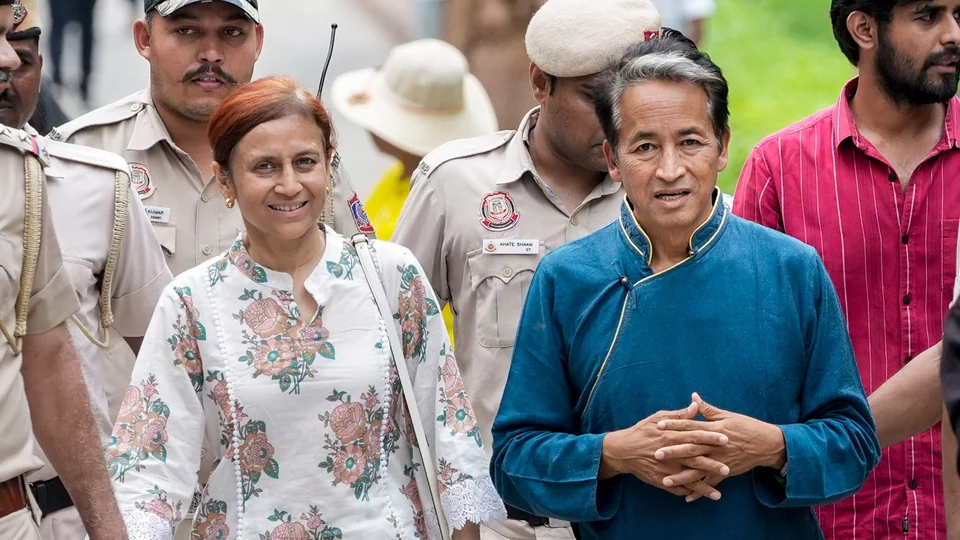
Sonam Wangchuk says CJP leaders wanted to end their protest after the July 20 crackdown at Jantar Mantar. He said young protesters returned the next day.
Also read this : Link
Activist Sonam Wangchuk has said Cockroach Janta Party leaders considered ending their protest after the July 20 crackdown in Delhi.
Wangchuk made the remarks in a podcast interview with Prakhar Gupta. He recalled how the organisers felt demoralised after police cleared the protest site at Jantar Mantar.
The Sonam Wangchuk CJP protest account offers a fresh look at the events following the July 20 confrontation.
According to Wangchuk, CJP leaders believed the movement had lost momentum after protesters were forced away from the site. He said they asked him to help prepare a message asking protesters to return home.
CJP leaders feared the protest had collapsed
Wangchuk recalled CJP leaders telling him that the stage had been dismantled and protesters had left.
He said the organisers believed the movement might not resume. They considered asking supporters to rest at home before deciding their next step.
Wangchuk said he prepared such a message, but it was never posted publicly.
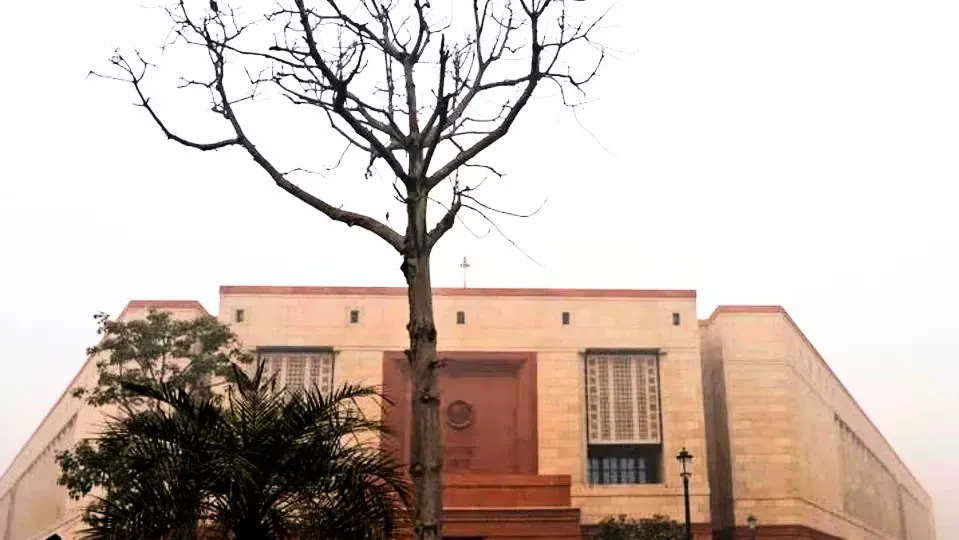
The July 20 action followed a large mobilisation by students and supporters at Jantar Mantar.
CJP had planned a march towards Parliament during the Monsoon Session. The group had demanded accountability over alleged examination irregularities and paper leaks.
Young protesters returned the next day
Wangchuk said the situation changed when young protesters began returning to Jantar Mantar.
Their return, he said, restored confidence among CJP organisers. He credited the young protesters for continuing the demonstration despite the previous day’s police action.
The Indian Express reported that protesters regrouped at Jantar Mantar late on July 20. A sizeable crowd remained at the site despite heavy police deployment.
CJP leaders also said the protest would continue. They maintained their demand for accountability from the government.
What happened during the July 20 protest?
The July 20 march began amid heavy security around Parliament and central Delhi.
Police and security forces cleared the Jantar Mantar site later that day. Tents and other structures were dismantled as the crowd was dispersed.
The Indian Express reported clashes at several locations around central Delhi. Police used measures including tear gas, lathi-charge and water cannons during the unrest.
Police appealed to protesters to maintain peace and follow instructions. Authorities also said demonstrations should not involve illegal or violent activity.
Wangchuk continued his hunger strike
Wangchuk was already on an indefinite hunger strike during the July 20 protest.
He had been moved to Safdarjung Hospital on July 18 after his health deteriorated. From the hospital, he said he would continue the fast until protesters could meet parliamentarians.
His position changed after the police action against protesters. Wangchuk said he wanted youth leaders to have an opportunity to present their concerns before Parliament.
CJP had three major demands
During the July 20 developments, CJP leaders put forward three key demands.
They sought Wangchuk’s release, the resignation of then Union Education Minister Dharmendra Pradhan and compensation for families of students who died by suicide following the alleged NEET paper leak.
CJP spokesperson Ashutosh Ranka presented the demands during a meeting with Union Minister J.P. Nadda.
Nadda said he would discuss the demands with senior government leaders, according to the Indian Express report.
Also Read: Lok Bharat News reported on the CJP delegation’s meeting with J.P. Nadda and the demands submitted to the government.
Government later opened talks
The confrontation was followed by discussions between CJP representatives and the government.
Wangchuk eventually ended his 26-day hunger strike after receiving written assurances from government. The assurances included no legal action against protesting students and parliamentary discussion on examination reforms.