Nepal Flash Flood LIVE: 8 Dead Near Tibet Border, Helicopters Face Landing Challenges
Nepal flash flood LIVE updates: At least eight people are dead after flooding near the Tibet border. Rescue teams face major challenges.
A massive flash flood swept through Nepal’s Rasuwa district near the Tibet border on Wednesday.
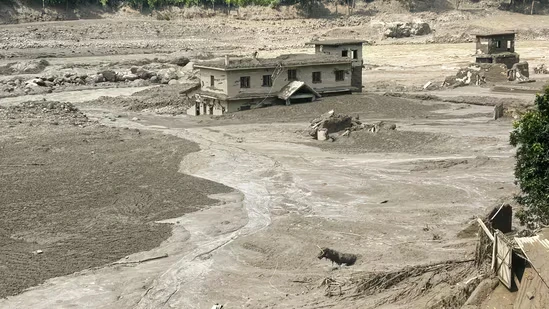
At least eight people have died, while dozens remain missing, according to officials and local reports. The flooding damaged villages, roads, bridges and hydropower infrastructure.
The surge entered the Bhote Koshi River from the Tibet side at around 9 am. Authorities warned residents along the riverbanks to move towards safer, higher areas.
Rasuwa areas severely affected
Timure and Syapru Besi were among the worst-hit areas in Rasuwa. The flood swept through settlements and damaged key infrastructure.
The Bhote Koshi River later carried the flood downstream towards Nuwakot and other districts. Authorities also issued warnings for communities along the Trishuli River.
Also Read: Link…
Helicopter rescue efforts face hurdles
Nepal has deployed helicopters to support rescue and relief operations. However, high water levels have made landing difficult in the worst-hit locations.
A Nepal Army MI-17 helicopter carrying a medical team flew from Kathmandu towards the affected region. Other army helicopters were also placed on rescue duties.
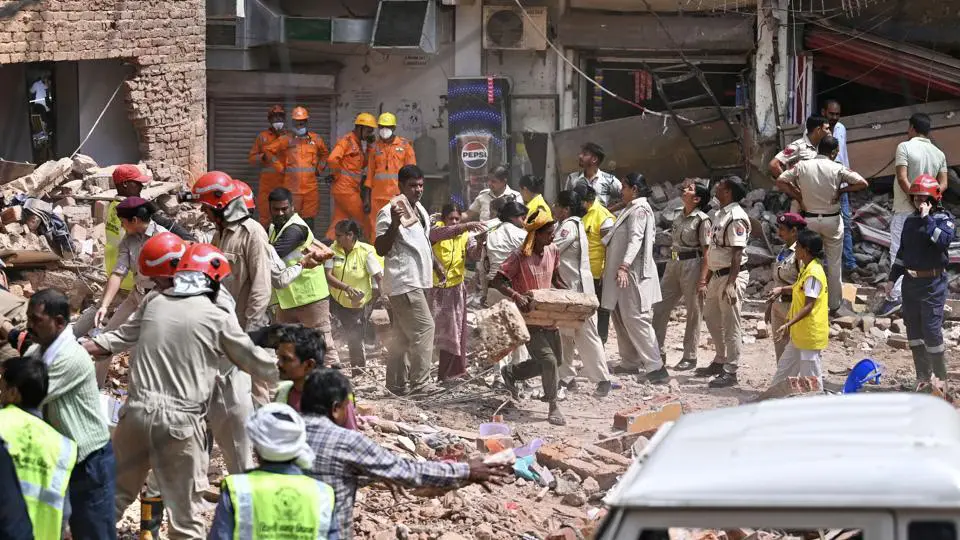
Nepal Army, Armed Police Force and Nepal Police personnel have been deployed. Rescue teams are working to assess damage and locate missing people.
33 security personnel reported missing
Local reports said 33 security personnel were missing after the flooding. Eight bodies have been recovered from areas including Nuwakot and Dhading, Nepal News reported.
Officials have warned that the full scale of the disaster remains unclear. Rescue teams are still assessing damage in remote and difficult terrain.
Hydropower projects damaged
The flooding damaged several hydropower projects along with roads and bridges. Reuters reported that around 430 MW of Nepal’s hydropower capacity was affected.
Power supplies were disrupted in some areas after infrastructure was damaged. The flood also affected important transport links near the Nepal-China border.
Tibet also reports casualties
Across the border, China’s Xinhua news agency reported major casualties after a mudslide in Tibet’s Gyirong county.
The incident disrupted roads, power and communications around a major Nepal-China border crossing. Authorities on both sides are continuing emergency response efforts.
Also Read: Kerala Rains Trigger Landslides, Floods; 8 Dead, 8 Missing, 13 Injured
Cause of flooding remains unclear
Authorities have not yet confirmed the exact cause of the sudden surge. The river originates in Tibet before flowing into Nepal.
A similar Bhote Koshi flood last year was linked to the drainage of a glacial lake in Tibet. Officials are continuing to assess whether a similar process played a role this time.
The Nepal flash flood has prompted authorities to maintain heightened alert along downstream rivers.
Officials have urged people living near riverbanks to remain cautious and move to safer locations if water levels rise suddenly.
The flood has also caused major damage to a key road connecting Nepal with the China border.
The Kathmandu Post reported that around 42 kilometres of road between Betrawati in Nuwakot and the Rasuwagadhi border crossing were damaged.
Several concrete bridges were also washed away. Officials said they were still assessing the full extent of the destruction.
The road is an important route connecting Nepal with the Rasuwagadhi border point. Damage to the route could disrupt transport and cross-border trade.
Hydropower infrastructure affected
The flood damaged several hydropower and transmission facilities in northern Nepal.
Reuters reported that about 430 megawatts of Nepal’s hydropower capacity affected. That represents more than 12 percent the country’s total capacity.
The damage could create power and infrastructure challenges in affected areas. Authorities are assessing individual project sites as access remains difficult.