AIIMS Moves Supreme Court Over Permission Granted for 15-Year-Old’s Pregnancy Termination
A significant legal and medical debate has emerged after the All India Institute of Medical Sciences (AIIMS) approached the Supreme Court of India challenging a decision that granted permission for the termination of a 15-year-old girl’s pregnancy. The case has drawn national attention because it sits at the intersection of medical ethics, child welfare, reproductive rights, and judicial oversight.
The appeal by AIIMS has raised important questions over risk assessment, viability of the pregnancy, consent, and the role of medical institutions in highly sensitive cases involving minors.
What the Case Is About
According to reports, permission had earlier been granted for the medical termination of the pregnancy of a 15-year-old minor. Following that development, AIIMS moved the Supreme Court seeking reconsideration or clarification, citing medical concerns and procedural complexities.
Cases involving minors are treated with exceptional sensitivity because they involve:
- Health risks to the child
- Psychological welfare
- Legal guardianship issues
- Consent protocols
- Medical viability and timing
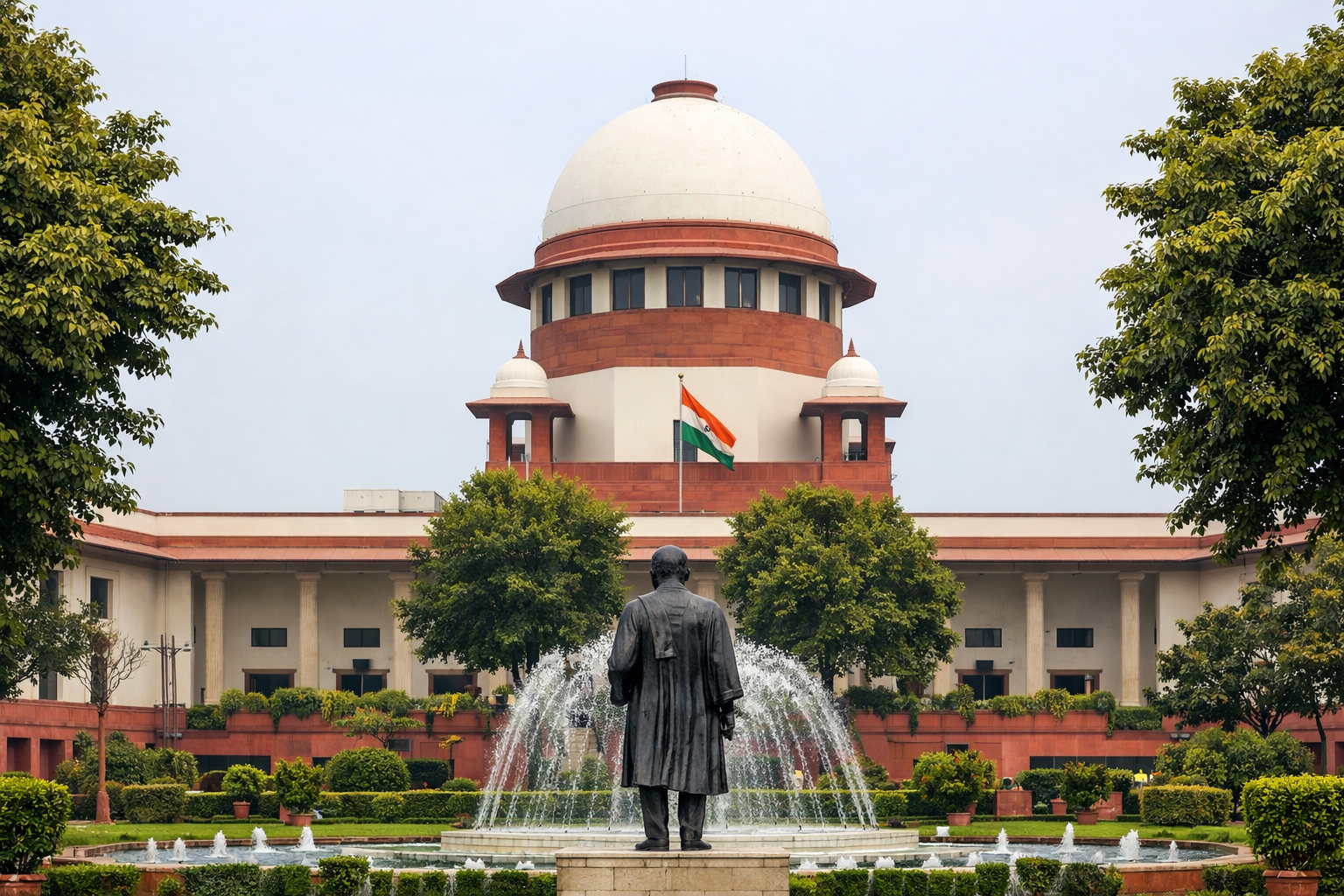
The matter is now before the country’s highest court.
Why AIIMS Approached the Supreme Court
AIIMS, being one of India’s top medical institutions, is believed to have raised concerns based on expert medical evaluation.
Possible issues in such cases often include:
- Gestational age of the pregnancy
- Health risk to the minor
- Chances of survival of the fetus if advanced stage
- Complexity of termination procedure
- Need for multidisciplinary medical supervision
Medical institutions often seek judicial clarity when legal permission and clinical risk overlap.
Sensitive Nature of Cases Involving Minors
Pregnancy cases involving children or teenagers are legally and socially sensitive. Courts generally examine:
- Physical and mental condition of the minor
- Cause and circumstances of pregnancy
- Safety of continuation vs termination
- Recommendations of medical boards
- Best interests of the child
In many instances, courts rely heavily on medical board opinions before issuing orders.
Legal Framework in India
India’s Medical Termination of Pregnancy (MTP) Act allows termination under specific conditions, with stricter safeguards in cases involving minors.
For minors:
- Guardian consent is generally required
- Medical board recommendations may be considered
- Courts may intervene in advanced or disputed cases
When gestation crosses certain limits or risks become complex, petitions often reach High Courts or the Supreme Court.
Ethics vs Medical Risk Debate
The present case has revived a broader national discussion:
One Side Emphasizes:
- Bodily autonomy and welfare of the minor
- Trauma and psychological burden
- Long-term impact on a child forced into motherhood
Other Side Emphasizes:
- Medical safety during advanced-stage termination
- Survival viability issues
- Ethical handling of fetal life in late-stage cases
Courts often have to balance both dimensions carefully.
Experts Call for Child-Centered Approach
Child rights experts say the primary focus in such matters should remain the welfare of the minor.
That includes:
- Confidential counselling
- Trauma-informed medical care
- Mental health support
- Protection from public exposure
- Speedy judicial process
They stress that delays can worsen both medical and emotional hardship.
What the Supreme Court May Examine
The Supreme Court is likely to consider:
- Latest medical reports
- Risk to the 15-year-old’s life and health
- Stage of pregnancy
- Expert opinion from specialists
- Legal rights under the MTP framework
- Best interest principle
The final direction may shape future handling of similar urgent petitions.
Public Reaction
The case has triggered strong reactions online and among legal observers. Many are urging privacy and dignity for the minor rather than sensational coverage.
Others say clearer medical-legal protocols are needed so hospitals and families do not face uncertainty in emergency situations.
Need for Faster Coordination
Experts note that cases involving minors require seamless coordination between:
- Hospitals
- Child welfare authorities
- Police (if criminal case involved)
- Courts
- Counsellors
A faster system can reduce trauma and legal delays.
Broader Social Context
Such incidents also highlight the need for:
- Child protection systems
- Sex education and awareness
- Fast response to abuse cases
- Safe reporting mechanisms
- Strong support for survivors
Many advocates say prevention must remain the long-term priority.