In a dramatic political upheaval, Mamata Banerjee—once seen as an unshakeable force in West Bengal—has suffered one of the most significant defeats of her career, as the Bharatiya Janata Party (BJP) stormed to power in the state for the first time.
The 2026 West Bengal Assembly elections have rewritten the state’s political narrative. The BJP, often labelled an “outsider” in Bengal politics, secured a commanding majority—crossing the 200-seat mark in the 294-member assembly—ending over a decade of Trinamool Congress dominance.
For Mamata Banerjee, the loss is both political and personal. The veteran leader not only saw her party crumble but also lost her own stronghold, Bhabanipur, to her former aide-turned-rival Suvendu Adhikari.
From Dominance to Decline
Mamata Banerjee rose to power in 2011, ending 34 years of Left Front rule and positioning herself as a grassroots leader who could challenge powerful political machinery. Over the years, she built a strong image as a woman navigating—and dominating—a male-dominated political landscape.
However, by 2026, the narrative had shifted dramatically. After nearly 15 years in power, her government faced intense anti-incumbency. Voter fatigue, allegations of corruption, and governance challenges began eroding her support base.
At the same time, the BJP executed a carefully crafted expansion strategy in Bengal. Once considered politically irrelevant in the state, the party gradually built organizational strength, leveraged central leadership, and tapped into local dissatisfaction.
The ‘Outsider’ Narrative Backfires
One of the central themes of the Trinamool Congress campaign was portraying the BJP as an “outsider” party attempting to impose external political ideology on Bengal. While this strategy had worked to some extent in earlier elections, it appeared to lose effectiveness this time.
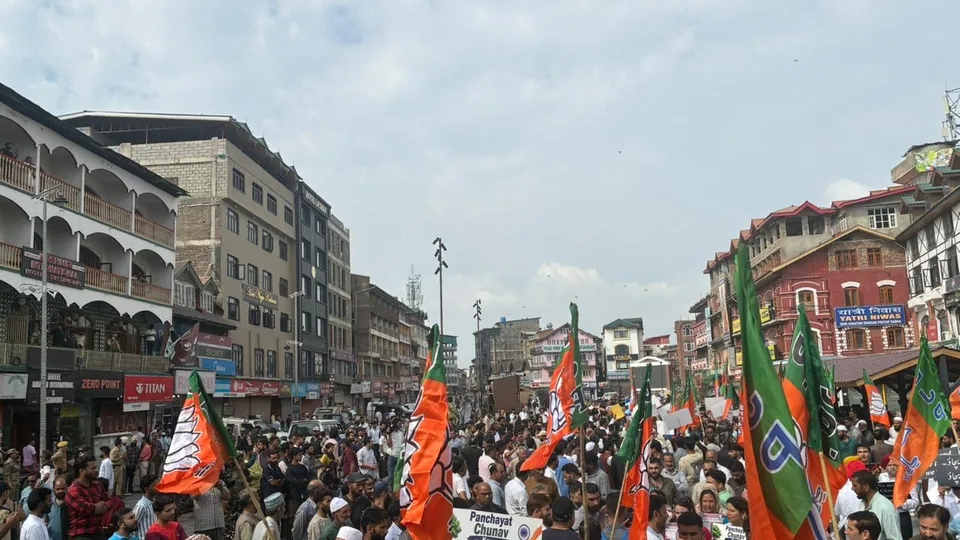
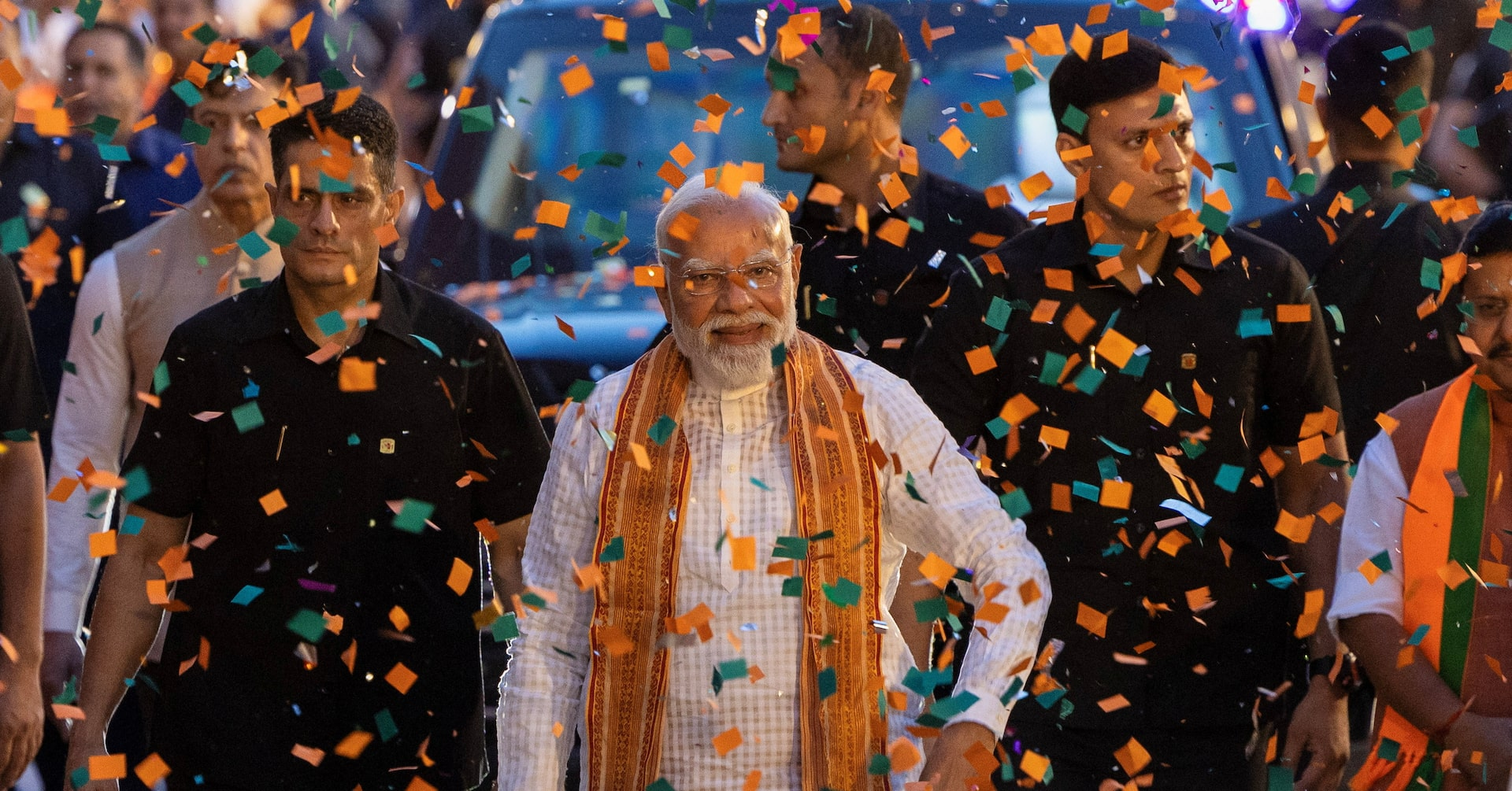
Instead, the BJP turned the narrative around by focusing on governance, development, and national integration. Backed by the popularity of Narendra Modi, the party managed to expand its appeal across urban and rural voters alike.
The BJP’s messaging resonated particularly with sections of the electorate dissatisfied with the status quo, including youth and first-time voters. Analysts suggest that the “outsider vs insider” framing was overshadowed by more immediate concerns such as jobs, infrastructure, and law and order.
Suvendu Adhikari Factor
A crucial turning point in the election was the role played by Suvendu Adhikari. Once a trusted lieutenant of Mamata Banerjee, his defection to the BJP proved to be a strategic masterstroke.
Adhikari not only helped the BJP penetrate Trinamool’s traditional strongholds but also directly challenged Banerjee’s authority. His victory over her in Bhabanipur symbolized a deeper political shift—one where loyalty lines blurred and voter alignments changed rapidly.
Controversies and Allegations
The election results have not been without controversy. Mamata Banerjee has alleged that the outcome was “immoral” and claimed that numerous seats were “looted.”
Additionally, opposition parties have raised concerns over voter roll revisions, with reports suggesting that millions of names were removed before the elections.
Despite these allegations, the Election Commission has maintained that the process was conducted within legal frameworks.
A Historic Political Shift

The BJP’s victory marks a historic milestone—it is the first time the party will govern West Bengal. This win significantly expands its footprint in eastern India and strengthens its national dominance.
Political observers see this as more than just a state election result. It signals a broader transformation in Indian politics, where regional strongholds are increasingly vulnerable to national parties with strong organizational backing.
What Lies Ahead?
For Mamata Banerjee, the defeat may not mark the end but rather a return to her roots as an opposition leader. Known for her resilience, she has already vowed to “bounce back” and continue the political fight.
For the BJP, the challenge now shifts from winning power to governing a complex and politically sensitive state like West Bengal. Delivering on promises and maintaining voter trust will be crucial.