India’s Theatre Command Plan Nears Approval After 20 Years of Discussion
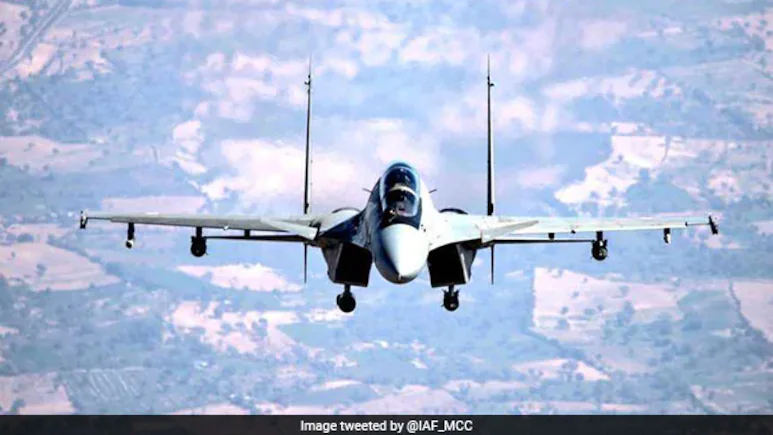
India’s Theatre Command Plan is moving closer to approval after nearly two decades of discussions, marking one of the most significant military reforms since Independence. The proposal aims to reorganise the Indian Army, Navy, and Air Force into integrated theatre commands, enabling the three services to operate under unified command structures during military operations. Defence officials believe the reform will enhance coordination, optimise resources, and strengthen India’s overall combat readiness.
The proposal has gained momentum following extensive consultations between the Ministry of Defence, the Chief of Defence Staff (CDS), the three armed services, and other stakeholders. If approved, the restructuring will fundamentally change how India’s military plans and conducts joint operations.
What Is India’s Theatre Command Plan?
The India’s Theatre Command Plan proposes integrating the operational commands of the Army, Navy, and Air Force into unified theatre commands.
Instead of each service operating independently in a particular region, a single theatre commander would oversee all military assets assigned to that geographical or functional command. This integrated structure is designed to improve coordination, reduce duplication of resources, and enable faster decision-making during emergencies and military operations.
The reform is widely regarded as one of the biggest structural changes in India’s defence system.
Why Has It Taken Nearly 20 Years?
The idea of integrated theatre commands has been discussed within India’s defence establishment for almost two decades.
Several factors contributed to the delay, including:
- Differences in operational requirements among the three services.
- Extensive consultations on command responsibilities.
- Concerns regarding resource allocation.
- The need for legal and administrative reforms.
- Consensus-building between military leadership and the government.
The appointment of the Chief of Defence Staff significantly accelerated discussions on implementing joint military structures.
Proposed Theatre Commands
According to defence reports, the proposed structure is expected to include multiple integrated commands covering different operational responsibilities.
These may include:
- Northern Theatre Command.
- Western Theatre Command.
- Maritime Theatre Command.
- Air Defence Command.
The final structure may undergo changes before receiving formal government approval.
Expected Benefits
Defence experts believe the reform could significantly improve India’s military capabilities.
Key expected advantages include:
- Better coordination among the three services.
- Faster operational decision-making.
- Efficient utilisation of defence resources.
- Improved intelligence sharing.
- Stronger preparedness for multi-domain warfare.
- Enhanced joint planning and execution.
Integrated commands are already used by several major military powers around the world.
Role of the Chief of Defence Staff
The Chief of Defence Staff has played a central role in advancing the proposal.
Since the creation of the CDS post, one of its primary objectives has been to promote jointness among the armed forces and oversee long-term military reforms. The theatre command initiative is considered a major step toward achieving that objective.
Challenges Ahead
Despite broad support for military integration, implementation will require careful planning.
Authorities will need to address issues such as:
- Distribution of operational responsibilities.
- Command hierarchy.
- Integration of communication systems.
- Logistics coordination.
- Personnel management.
- Budget allocation.
Experts believe these challenges can be addressed through phased implementation.
Strategic Importance
The proposed theatre command structure is expected to strengthen India’s defence posture by improving preparedness for future security challenges.
As warfare increasingly involves coordinated land, air, sea, cyber, and space operations, integrated command systems are viewed as essential for modern military effectiveness.
The reform is also expected to improve India’s ability to respond quickly during border tensions and humanitarian emergencies.
What Happens Next?
The proposal is expected to be placed before the government for final approval after the remaining consultations are completed.
If approved, implementation is likely to occur in phases, allowing the armed forces to gradually transition into the new command structure while maintaining operational readiness.
Also read: Ram Mandir Donation Theft: Supreme Court Seeks UP SIT Report, Issues Notice to Trust