Mamata Banerjee Stays On After Defeat: What Happens Next Under Indian Law
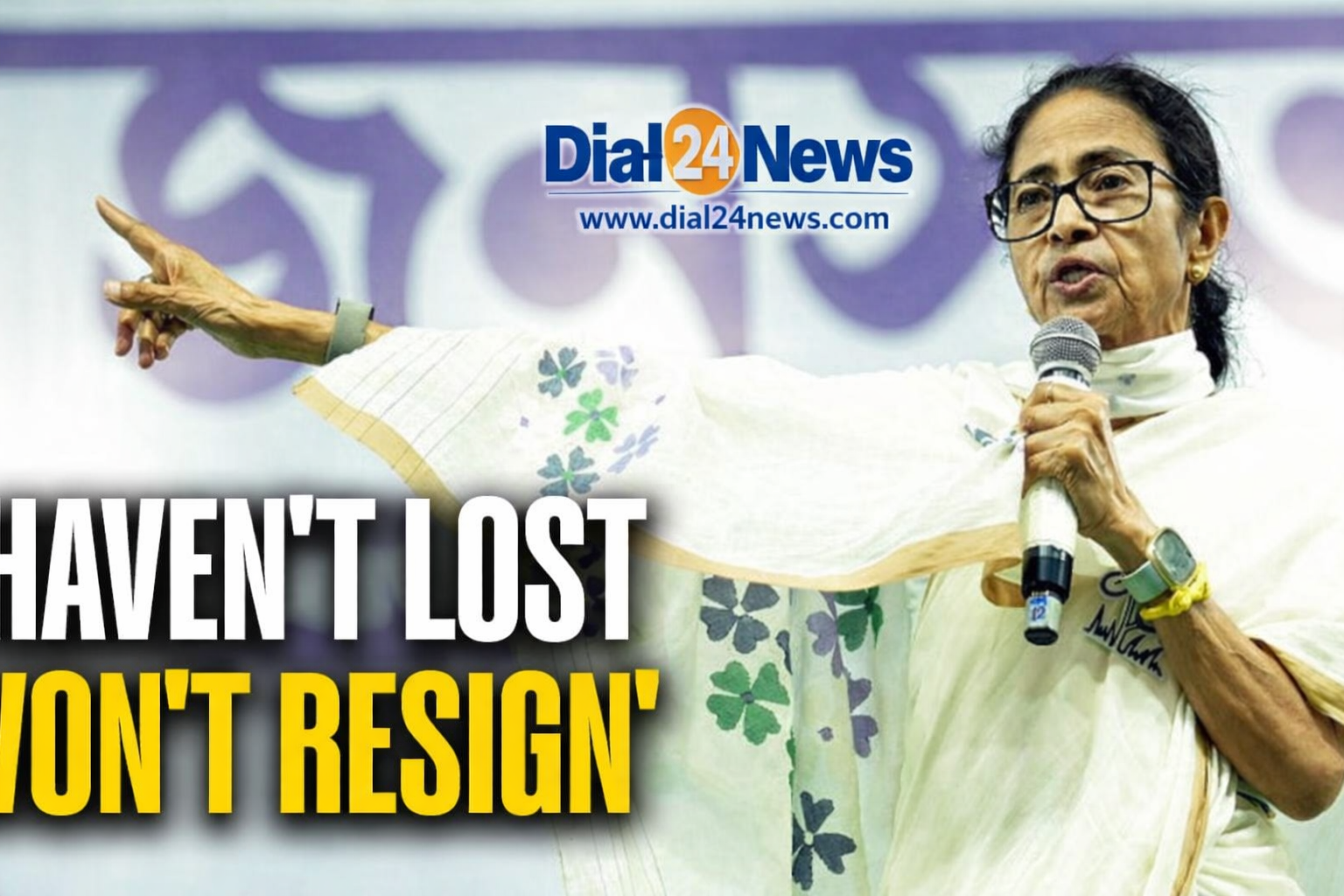
After a dramatic election outcome in West Bengal, Chief Minister Mamata Banerjee has indicated she will not immediately step down despite her party losing the mandate. The development has triggered a constitutional discussion on what options remain when an incumbent CM faces defeat at the polls.
Legal experts say the situation is not unprecedented and is clearly addressed within India’s parliamentary framework.
Why She Can Continue—For Now
Under the Indian system, a Chief Minister does not cease to hold office the moment results are declared. Technically, the incumbent continues until:
- A new government is formally sworn in
- The Governor asks the CM to resign or prove majority
- The CM voluntarily steps down
This means Mamata Banerjee can remain in office in a caretaker capacity until the transition is completed.
Role of the Governor
The next steps largely depend on the Governor’s actions in the state. Typically, the Governor will:
- Invite the party or alliance with majority to form the government
- Ask the incumbent CM to resign
- If required, request a floor test in the Assembly
The Governor ensures that the transition of power follows constitutional norms.
What Is a Caretaker Government?
A caretaker government is a temporary arrangement where the outgoing leadership continues to function with limited powers until a new administration takes charge.
Key characteristics include:
- No major policy decisions
- Routine administrative work only
- Maintaining stability during transition
Mamata Banerjee, in this case, would function within these limits if she remains until the new government is formed.
What If She Refuses to Resign?
If the incumbent CM does not resign voluntarily, the Governor can intervene by:
- Asking her to prove majority in the Assembly
- Dismissing the government if it fails to demonstrate support
However, such situations are rare and usually resolved through political consensus.
Majority Test Becomes Key
In cases of uncertainty, a floor test in the legislative assembly becomes the ultimate method to determine who holds the majority.
If Mamata Banerjee cannot demonstrate support, her government would have to step down.
Political Implications
The decision not to step down immediately has both political and strategic implications:
- It allows time for negotiation and internal discussions
- Sends a signal of resistance to party supporters
- Keeps options open in case of shifting alliances
At the same time, it may attract criticism from opponents demanding a swift transition.
Opposition Reaction
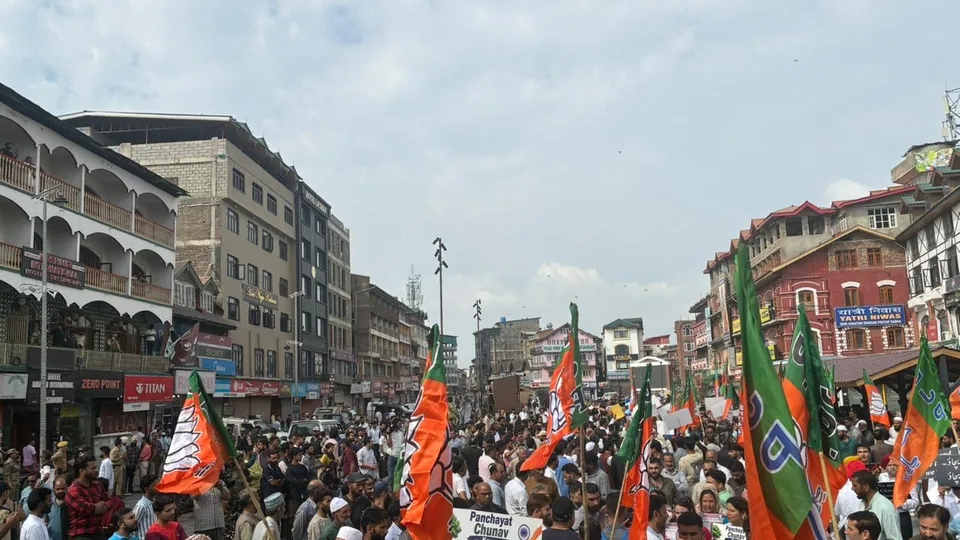
Leaders from the Bharatiya Janata Party (BJP) have reportedly called for an immediate resignation, arguing that the election results reflect the people’s mandate.
They maintain that the democratic process requires a prompt handover of power.
TMC’s Stand
The All India Trinamool Congress (TMC) has defended its leader, stating that constitutional procedures must be followed and that the transition should occur in an orderly manner.
Party leaders emphasize that remaining in office temporarily is within legal bounds.
What Happens Next?
The likely sequence of events includes:
- Finalization of election results
- Governor inviting the majority party
- Swearing-in of the new Chief Minister
- Formal resignation of the incumbent
The entire process usually unfolds within a few days after results are declared.
Legal Clarity
Constitutional experts highlight that:
- There is no automatic removal upon defeat
- The system prioritizes continuity and stability
- The Governor plays a crucial role in transition
These provisions ensure that governance does not come to a sudden halt.