



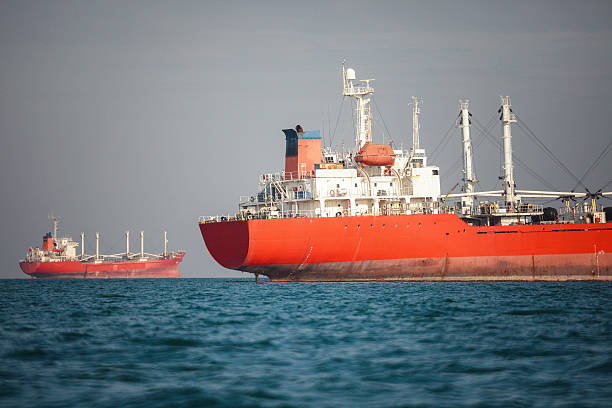
Strait of Hormuz open or shut? Fresh clashes, ship turnarounds and mixed signals fuel global uncertainty
Is the Strait of Hormuz Open or Closed? Conflicting Moves Trigger Chaos in Global Shipping
The status of the Strait of Hormuz—one of the world’s most vital oil transit routes—has become increasingly unclear after a series of contradictory announcements, naval confrontations, ship reversals, and renewed tensions between Iran and the United States. While some officials claimed the passage had reopened, fresh military actions and shipping disruptions suggest the strategic waterway remains unstable and only partially functional.
The confusion has rattled global markets, shipping companies, insurers, and energy-importing nations, as nearly one-fifth of the world’s oil trade typically moves through this narrow maritime corridor.
Why the Strait of Hormuz Matters
The Strait of Hormuz links the Persian Gulf to the Gulf of Oman and the Arabian Sea. It is the main export route for crude oil and liquefied natural gas from producers such as Saudi Arabia, Iraq, the UAE, Kuwait, Qatar, and Iran.
Any disruption in this lane can immediately affect:
- Global oil prices
- Fuel supply chains
- Shipping insurance costs
- Freight rates
- Inflation in importing countries
- Energy security for Asia and Europe
Because of that importance, even uncertainty—not just full closure—can trigger market volatility.
What Caused the Latest Confusion?
Over recent days, multiple conflicting developments have emerged.
Claim of Reopening
Earlier reports indicated Iran had signaled that the strait was open again for commercial shipping during a temporary ceasefire phase. That initially eased markets and encouraged some vessels to resume movement.
Reversal and Renewed Control
Soon after, Iranian authorities reportedly reversed that position and announced tighter control again, saying restrictions would remain until U.S. pressure measures and blockades linked to Iranian ports were lifted.
Gunfire and Ship Incidents
Several reports then emerged of merchant vessels facing harassment or coming under fire while attempting passage. Some ships reportedly turned back rather than risk crossing the chokepoint.
So Is It Open or Closed Right Now?
It is not fully closed, but it is not operating normally either.
Some vessels have crossed, but traffic remains heavily disrupted, uncertain, and far below normal confidence levels. Tankers are reportedly waiting, rerouting, or delaying voyages while owners assess security risks.
This means the strait is technically passable for some ships, but practically constrained by military risk, insurance costs, and unpredictable enforcement.
Ships Making U-Turns
One of the clearest signs of instability has been vessel behavior.

Tracking data and reports suggest multiple tankers that began moving toward or through the strait later turned around or anchored instead of proceeding. That usually happens when captains or operators receive fresh risk alerts.
In shipping markets, hesitation itself is a major warning signal.
Oil Markets React
Crude prices have responded sharply to every headline. Reports indicate oil rose again after renewed tensions and signs that the earlier reopening hopes had faded.
Energy traders are watching:
- Whether escorted convoys emerge
- If U.S.-Iran diplomacy resumes
- Whether attacks on commercial ships continue
- How long delayed cargoes remain stranded
Even if the strait reopens fully tomorrow, restoring normal flow could still take weeks.
Why Reopening Isn’t Instant
Even after political announcements, shipping does not simply normalize overnight.
Operators must consider:
- War-risk insurance premiums
- Crew safety concerns
- Naval advisories
- Port congestion
- Tanker scheduling gaps
- Cargo contract revisions
Many companies wait for several days of calm before sending high-value vessels through a conflict zone.
Impact on India and Asia
Asian economies are especially exposed because many depend on Gulf energy supplies. India, China, Japan, and South Korea all closely monitor Hormuz traffic.
Reports have also mentioned Indian-linked vessels being affected amid recent incidents, highlighting direct risks for importers and commercial fleets.
For India, any prolonged disruption could influence:
- Fuel prices
- Import costs
- Shipping timelines
- Inflation pressure
- Strategic petroleum planning
Military Pressure Adds to Uncertainty
The broader geopolitical conflict remains the core issue.
Reports mention continued U.S. enforcement actions tied to Iranian shipping, while Iran has insisted it will maintain leverage in the strait if economic pressure continues.
That creates a cycle:
- Restriction announced
- Market panic rises
- Partial easing hinted
- New confrontation occurs
- Traffic confidence falls again
What Experts Are Watching Next
Analysts say the next 72 hours are critical.
Key signals include:
- Consecutive days of safe commercial crossings
- No firing incidents
- Formal navigation guarantees
- Lower insurance premiums
- Clear diplomatic communication
- Stable tanker movement data
Without those signs, the strait may remain “open on paper, risky in practice.”
Can the World Bypass Hormuz?
Only partially.
Some oil can be rerouted via pipelines or alternative terminals, but Hormuz remains too important to replace fully in the short term. That’s why every disruption there matters globally.
One thought on “Strait of Hormuz open or shut? Fresh clashes, ship turnarounds and mixed signals fuel global uncertainty”
Comments are closed.




https://shorturl.fm/9GQvR