Iran War Deal Trump: Trump Claims Tehran Deal ‘Approved’, Cancels New Strikes
Iran War Deal Trump: Trump Claims Tehran Deal ‘Approved’, Cancels New Strikes
The Iran War Deal Trump announced on June 11, 2026 caught the world off guard. Just hours after threatening to hit Iran “very hard,” President Donald Trump did a complete U-turn — cancelling all planned military strikes and claiming a peace deal had been approved.
Here is a full breakdown of what happened, what Iran said, and what comes next.
Trump Cancels Strikes — What Did He Say?
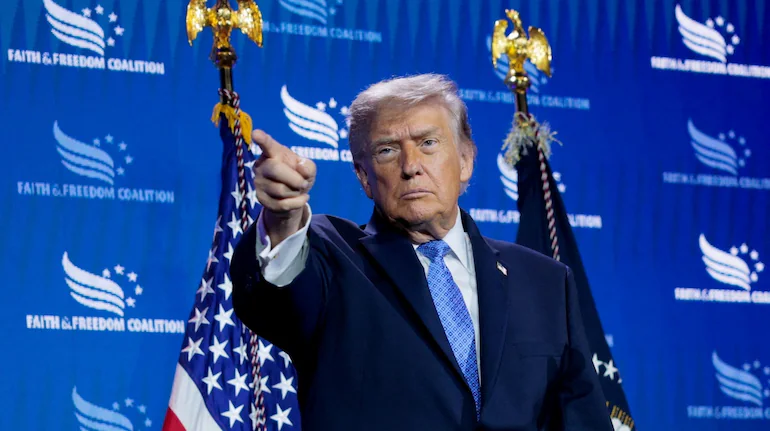
Trump wrote on Truth Social: “Based on the fact that discussions with the Islamic Republic of Iran have been brought to the highest level of Iranian leadership and approved, I have, as President of the United States of America, cancelled the scheduled strikes and bombings against Iran this evening.”
This was a stark reversal that came just hours after he vowed to hit Iran “very hard” and threatened to seize its oil infrastructure.
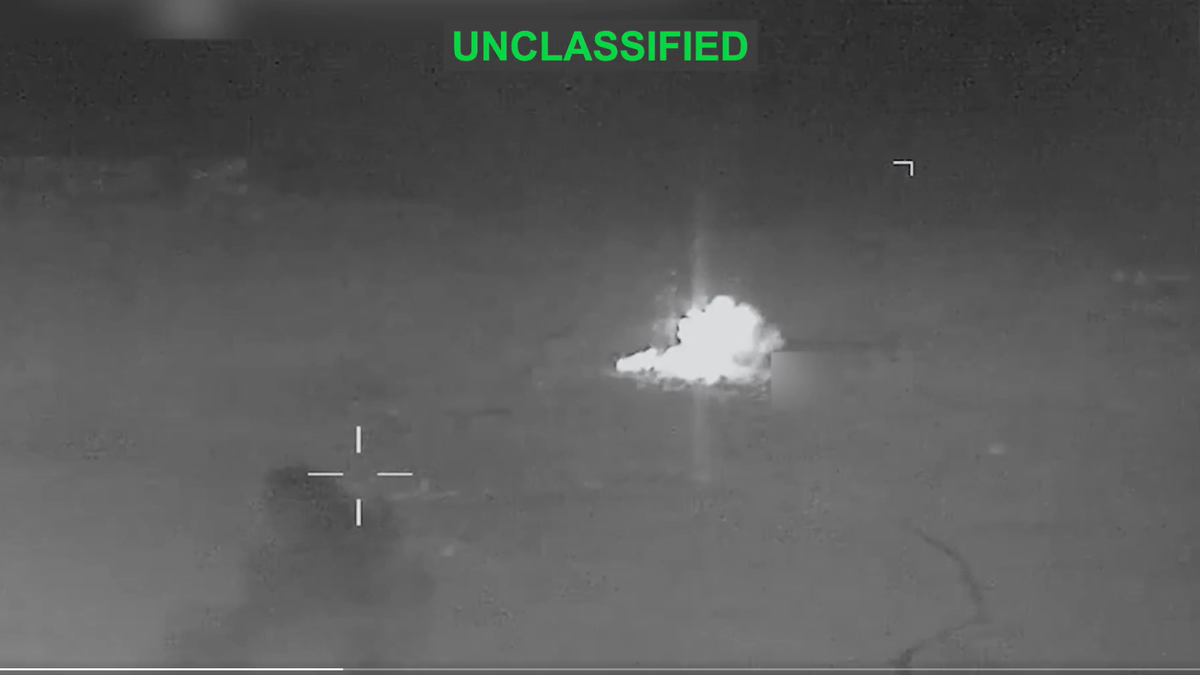
The U.S. military was already about three hours away from launching missiles inside Iran when Trump made the announcement. The military had received orders from Trump and was fully ready to carry out the strikes.
Also read: Residents Troubled by Ongoing Electricity Issues in Jhampur Suncity
What Is the Deal About?
Trump claimed the agreement would extend the ceasefire, reopen the Strait of Hormuz, and launch 60 days of negotiations on Iran’s nuclear program.
He said the final points of the deal have been “in both concept and great detail, approved by all parties involved,” including the U.S., Israel, Saudi Arabia, UAE, Qatar, Turkey, Pakistan, Bahrain, Kuwait, Jordan and Egypt.
He also added: “The Naval Blockade will remain in full force and effect until this Transaction is finalized — Time and place of the signing to be announced shortly.”
Analysts are divided on whether Trump’s announced deal will actually hold.
Some point to a recurring pattern in this conflict — Iran has repeatedly denied Trump’s claims, including an earlier instance where a senior Iranian official rejected Trump’s social media post claiming Iran had asked for a ceasefire.
On the hardliner front inside Iran, a small but influential faction known as “Jebhe-ye Paydari,” or the Endurance Front, has worked throughout the negotiations to sabotage a potential deal with the US, viewing such an agreement as capitulation.

Iran’s Response — No Deal Confirmed
Despite Trump’s bold claims, Iran pushed back immediately.
Iran’s Islamic Revolutionary Guard Corps cast doubt on Trump’s remarks, saying Iranian officials had not confirmed any such deal.
Iran’s Fars news agency denied any deal had been agreed but said there was a “possibility” Tehran would consider signing off.
Three sources briefed on the talks told Axios that key gaps were narrowed during talks between Iranian officials and Qatari mediators on Wednesday — suggesting progress, but no final agreement.
This contradiction between Washington and Tehran is nothing new. It is the latest in a series of whiplash proclamations — Trump threatening more strikes, then promising peace.
Also read: Sanjay Gupta takes aim at Bollywood’s remix trend with sharp 2046 question
How Did the Iran War Start?
On February 28, 2026, Israel and the United States began a series of strikes against Iran, aiming to target its nuclear and ballistic missile programme and push for regime change.
Nearly 900 strikes were launched in 12 hours, killing Supreme Leader Ali Khamenei and dozens of other officials.
Iran retaliated by closing the Strait of Hormuz — a narrow waterway through which about 20% of the world’s energy supply travels. A conditional ceasefire was eventually declared on April 8, but tensions never truly settled.
Trump said he expects a signing to occur “over the next few days” and that the Strait of Hormuz will be reopened as soon as a deal is signed.
He also said he had spoken to Israeli Prime Minister Benjamin Netanyahu and several Gulf nation leaders ahead of the announcement.
However, until Iran officially confirms the deal in writing, the situation remains uncertain. The naval blockade stays. The Strait of Hormuz remains tense. And the world is watching closely.