








Rs 547 Crore Medical Hub to Replace Burnt Buildings at Air India Crash Site: Major Redevelopment Plan
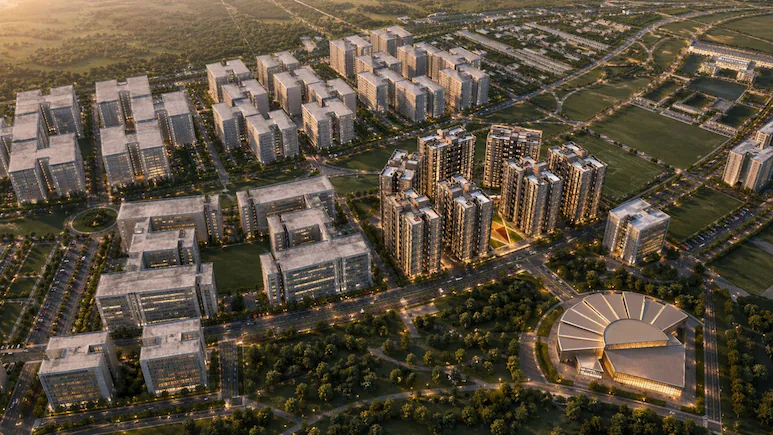
Rs 547 Crore Medical Hub is set to become one of the most significant healthcare infrastructure projects proposed for the redevelopment of the former Air India crash site. The ambitious project aims to transform an area previously associated with tragedy into a modern center for healthcare, medical research, and patient services.
The redevelopment plan reflects a broader vision of converting underutilized land into facilities that deliver long-term public value. By replacing damaged and burnt structures with advanced healthcare infrastructure, authorities hope to create a lasting legacy focused on community well-being and improved medical access.
Overview of the Rs 547 Crore Medical Hub
The proposed Rs 547 Crore Medical Hub represents a major investment in healthcare infrastructure. Designed to serve a growing population, the facility is expected to include modern treatment centers, emergency response units, specialized medical departments, and advanced diagnostic services.
Healthcare experts have consistently emphasized the importance of expanding medical infrastructure to meet increasing healthcare demands. Large-scale projects such as this can help reduce pressure on existing hospitals while improving patient care and treatment accessibility.
The redevelopment initiative also highlights the growing focus on creating healthcare ecosystems that combine treatment, research, education, and innovation under one roof.
Why the Redevelopment Project Matters
Transforming a site associated with a major aviation tragedy into a healthcare destination carries significant symbolic value. Rather than allowing the area to remain unused, the redevelopment seeks to create a meaningful public asset that benefits future generations.
Infrastructure experts often point out that strategic redevelopment projects can stimulate economic activity while improving public services. In this case, the medical hub could generate employment opportunities, attract healthcare professionals, and strengthen the region’s healthcare network.
The project is also expected to support long-term urban planning goals by integrating healthcare services into broader development initiatives.
Also read: Iran War Deal Trump: Trump Claims Tehran Deal ‘Approved’, Cancels New Strikes
Features Planned for the Medical Hub
Advanced Medical Facilities
The proposed healthcare complex may include specialized departments covering cardiology, oncology, orthopedics, neurology, and emergency medicine. These services would help address a wide range of healthcare needs.
Emergency and Trauma Care
Modern trauma and emergency response facilities are expected to form a core component of the project. Rapid response capabilities can significantly improve patient outcomes during critical situations.
Diagnostic and Research Centers
The medical hub may also incorporate advanced diagnostic laboratories and research facilities. Such additions can contribute to medical innovation while supporting evidence-based healthcare practices.
Training and Education
Healthcare infrastructure projects increasingly include training centers for doctors, nurses, and medical staff. These facilities help strengthen the healthcare workforce and improve service quality.
Expected Benefits for Healthcare Services
The Rs 547 Crore Medical Hub could significantly enhance healthcare accessibility for surrounding communities. Patients may benefit from reduced travel times, quicker diagnoses, and access to specialized treatments that may currently be limited in the region.
Modern healthcare campuses also encourage collaboration among specialists, leading to improved patient outcomes and more efficient treatment pathways.
In addition, the project could help reduce overcrowding at existing hospitals by expanding healthcare capacity and introducing new treatment options.
Impact on Local Communities
Large healthcare projects often create substantial economic benefits beyond medical services. Construction activities generate employment opportunities, while operational healthcare facilities support long-term jobs across multiple sectors.
Local businesses may also benefit from increased economic activity associated with healthcare professionals, patients, and visitors. Improved infrastructure can contribute to broader regional development and enhance overall quality of life.
Community health outcomes may improve as residents gain easier access to preventive care, diagnostics, and specialized medical services.
Challenges and Future Development
Like any major infrastructure project, the medical hub will require careful planning, efficient execution, and sustainable funding. Authorities must ensure that construction timelines, operational requirements, and healthcare standards are met effectively.
Future expansion possibilities may include additional research centers, telemedicine services, and partnerships with medical institutions. These developments could further strengthen the hub’s role within the healthcare ecosystem.
Successful implementation will depend on strong collaboration among government agencies, healthcare providers, planners, and community stakeholders.
Conclusion
The Rs 547 Crore Medical Hub represents an ambitious vision for transforming the former Air India crash site into a center of healthcare excellence. By replacing damaged structures with modern medical infrastructure, the project aims to create lasting public value while improving healthcare access and supporting regional development. If completed as planned, the initiative could become a landmark example of how strategic redevelopment can convert a site of tragedy into a resource that benefits society for decades to come.