









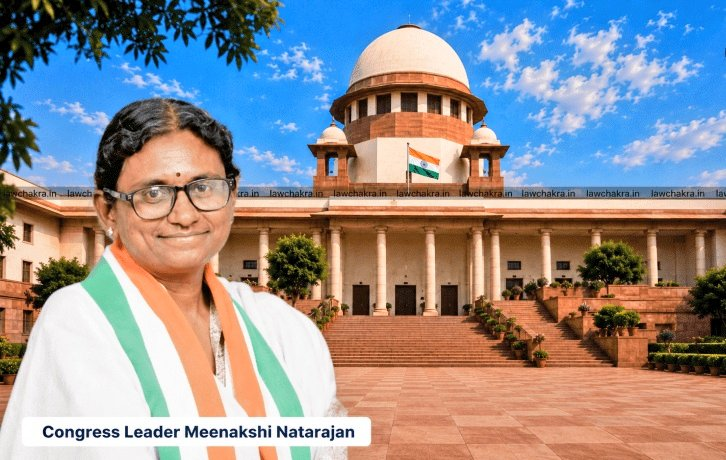
Supreme Court Dismisses Meenakshi Natarajan’s Plea Against Rajya Sabha Nomination Rejection
Meenakshi Natarajan Rajya Sabha Nomination Rejection has emerged as one of the most closely watched political and legal developments in India. In a significant ruling, the Supreme Court dismissed Congress leader Meenakshi Natarajan’s plea challenging the rejection of her Rajya Sabha nomination from Madhya Pradesh, while clarifying that she remains free to pursue an election petition under the applicable election laws.
The decision comes amid intense political debate surrounding the nomination process and the legal standards governing candidate disclosures during elections.
Supreme Court Rejects Meenakshi Natarajan’s Plea
The Supreme Court declined to interfere with the rejection of Natarajan’s nomination papers at the pre-election stage. During the hearing, the Court emphasized that disputes arising from the rejection of nomination papers are generally addressed through remedies provided under election laws rather than through direct judicial intervention before the election process concludes.
The ruling represents a setback for the Congress party, which had sought urgent relief from the apex court ahead of the Rajya Sabha election process.
Why Was the Rajya Sabha Nomination Rejected?
The controversy began when Meenakshi Natarajan’s nomination for the Rajya Sabha election from Madhya Pradesh was rejected by the Returning Officer.
According to reports, the rejection was linked to allegations that a pending legal matter had not been properly disclosed in her nomination documents. Election authorities reportedly questioned whether the information provided in the mandatory affidavit complied with disclosure requirements.
The issue quickly escalated into a legal and political dispute, prompting the Congress leader to approach the Supreme Court.
Also Read: Southwest Monsoon Arrives in Kerala
What the Supreme Court Observed
During the proceedings, the Supreme Court observed that when a Returning Officer rejects a nomination, the election law framework provides specific remedies for aggrieved candidates.
The Court reportedly stated that the appropriate course is to seek relief through the mechanisms available under election law and before the Election Commission rather than seeking immediate intervention through a writ petition.
This approach is consistent with the judiciary’s long-standing principle of limiting interference in ongoing election processes except in exceptional circumstances.
Election Petition Remains Available
Although the plea was dismissed, the Court did not close the door on future legal action.
The ruling allows Meenakshi Natarajan to challenge the rejection through an election petition after the completion of the election process. Such petitions are a recognized legal mechanism for resolving disputes related to nominations, elections, and electoral outcomes.
Legal experts note that election petitions often serve as the primary avenue for examining allegations involving wrongful acceptance or rejection of nomination papers.
Congress Responds to the Verdict
The Congress party has consistently maintained that the rejection of Natarajan’s nomination was improper and contrary to established electoral norms.
Party leaders argued that the alleged disclosure issue did not justify rejection of the nomination and described the action as legally questionable. Prior to the Supreme Court hearing, Congress leaders had urged authorities to reconsider the decision and had strongly criticized the rejection.
Natarajan herself defended the information submitted in her nomination papers, maintaining that the disputed matter did not amount to a pending criminal case requiring disclosure in the manner alleged by opponents.
Political Implications of the Decision
The Supreme Court’s decision may have broader implications for future election disputes involving nomination rejections.
The ruling reinforces the principle that electoral disputes should ordinarily be resolved through election law mechanisms rather than through pre-election judicial intervention. This could influence how similar cases are handled in future Rajya Sabha and legislative elections.
For the Congress party, the outcome represents a legal setback, but the availability of an election petition means the dispute may continue through established legal channels.
The Meenakshi Natarajan Rajya Sabha Nomination Rejection case has highlighted important questions regarding electoral disclosures and judicial intervention during election processes. By dismissing the plea while preserving the option of an election petition, the Supreme Court has reaffirmed the importance of following statutory election remedies. As political and legal developments continue, attention will now shift to whether Natarajan chooses to pursue further action under election law.