Khamenei Funeral: Iran To Hold 6-Day Ceremony, Mojtaba To Skip
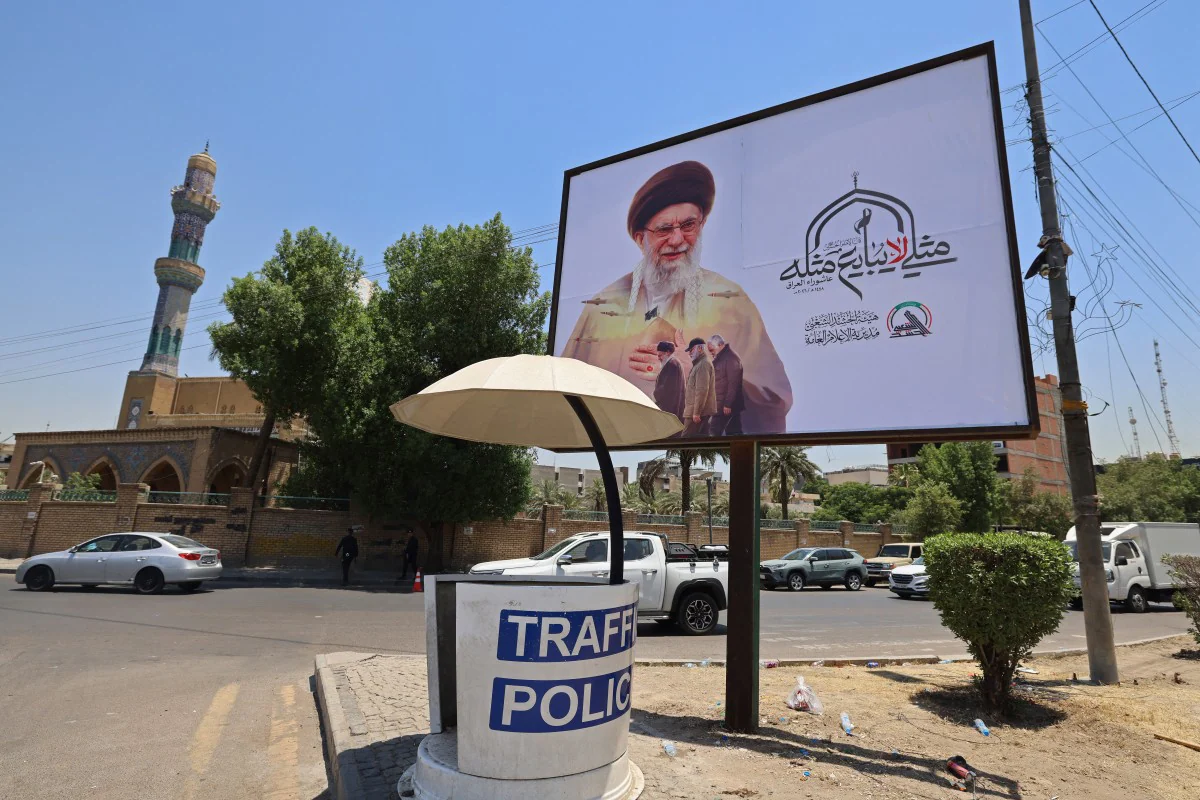
Khamenei funeral preparations are underway as Iran gets ready for a six-day series of ceremonies to honour former Supreme Leader Ayatollah Ali Khamenei. The funeral is expected to be one of the largest public events in the country’s history, with ceremonies beginning in Tehran and ending with his burial in the holy city of Mashhad. Reports also indicate that Iran’s current Supreme Leader, Mojtaba Khamenei, will not attend the funeral because of security concerns linked to ongoing regional tensions.
The funeral comes months after Ali Khamenei was killed during the conflict involving Iran, Israel and the United States. Since then, Iran has been preparing an elaborate state farewell while also dealing with heightened security challenges and political transition. Millions of mourners are expected to participate in events spread across multiple cities, making it one of the most closely watched developments in the Middle East this year.
Six-Day Funeral To Span Multiple Cities
According to Iranian state media, the Khamenei funeral will officially begin in Tehran on July 4 before moving to the religious city of Qom and eventually concluding with the burial in Mashhad on July 9. Additional religious observances are also planned, reflecting Ali Khamenei’s position as one of the most influential figures in modern Iranian history.
Authorities have spent weeks preparing for the ceremonies, arranging security, transportation and accommodation for the expected crowds. Officials estimate that millions of people could attend the processions and memorial events held across different locations.
Why Mojtaba Khamenei Will Not Attend
One of the biggest talking points surrounding the Khamenei funeral is the reported absence of Mojtaba Khamenei, who succeeded his father as Iran’s Supreme Leader.
According to reports citing Ayatollah Hakim Elahi, Mojtaba’s representative in India, the decision has been made because of serious security concerns. Israeli threats and fears over surveillance have reportedly made any public appearance too risky during such a high-profile event.
His absence is unusual given the importance of the funeral, but analysts say security considerations are likely to outweigh ceremonial traditions during the current period of heightened tensions.
Tight Security Across Iran
Iranian authorities have announced extensive security arrangements for the funeral period. Security forces are expected to be deployed across Tehran, Qom and Mashhad, while additional measures have been introduced to protect mourners and visiting foreign delegations.
Iran has also warned that any attack during the funeral ceremonies would receive a strong response. Officials have stressed that maintaining security during the six-day mourning period remains a national priority.
Temporary restrictions around major public venues and transport routes are also expected as authorities prepare for large gatherings.
International Delegations Expected
The Khamenei funeral is expected to attract representatives from several countries, including senior political leaders and diplomats.
China has confirmed that a senior parliamentary representative will attend the funeral ceremonies, while other friendly nations are also expected to send official delegations. International participation reflects the geopolitical significance of Iran despite ongoing regional tensions.
Observers believe the funeral will also provide an opportunity for diplomatic discussions on the sidelines as foreign officials gather in Tehran.
Political Significance Of The Funeral
Beyond its religious importance, the funeral carries major political significance for Iran.
The ceremonies are expected to demonstrate national unity during a period of leadership transition. Public participation is likely to be closely watched by both domestic and international observers as an indication of support for the country’s leadership following months of conflict.
Experts believe the funeral will also serve as a symbolic event aimed at reinforcing stability and continuity within Iran’s political system.
Regional Tensions Remain High
The funeral takes place against the backdrop of continuing tensions involving Iran, Israel and the United States.
Iranian officials have warned that any further military action during the mourning period could escalate the situation. Meanwhile, regional governments are monitoring developments closely because of their potential impact on Middle East security and diplomacy.
Global attention remains focused on how Iran manages both the funeral ceremonies and the transition to its new leadership.
What Happens After The Funeral?
Following the burial in Mashhad, attention is expected to shift toward Iran’s future political direction under Mojtaba Khamenei’s leadership.
Analysts believe the new leadership will face significant domestic and international challenges, including economic recovery, regional security and diplomatic relations with Western nations.
The conclusion of the Khamenei funeral will therefore mark not only the end of a historic farewell but also the beginning of a new chapter in Iran’s political history.
Also read: India-Japan AI, Energy Pacts Signed After Modi-Takaichi Talks