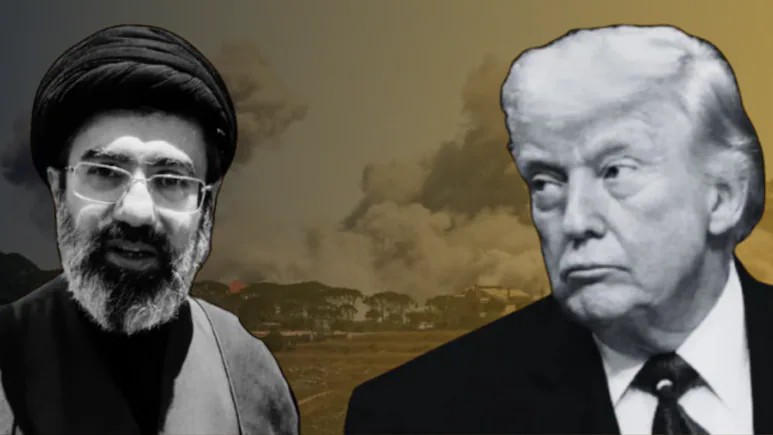
US-Iran Doha Talks Show Positive Progress, Says Qatar
US-Iran Doha talks have made “positive progress” on a proposed 14-point agreement, according to Qatari officials, raising hopes of a diplomatic breakthrough after months of indirect negotiations. The discussions, held in Doha with Qatar acting as a mediator, are focused on reducing tensions between Washington and Tehran while addressing several long-standing regional and international concerns.
Although neither the United States nor Iran has announced a final agreement, Qatar’s optimistic assessment has renewed expectations that both sides are moving closer to finding common ground. The negotiations are being closely watched by governments around the world, as any progress could have significant implications for regional security, energy markets and international diplomacy.
Officials familiar with the talks have described the latest round as constructive, with both delegations showing willingness to continue discussions despite unresolved differences on several issues.
Qatar Reports Encouraging Developments
Qatar, which has frequently acted as a mediator in regional disputes, said the latest US-Iran Doha talks produced encouraging results. According to officials, discussions covered a wide range of political, security and humanitarian issues included in a proposed 14-point framework.
While the full details of the proposal have not been made public, reports suggest it addresses confidence-building measures, regional stability and steps to improve communication between Washington and Tehran.
Qatari officials stressed that negotiations remain ongoing and that further meetings may be required before any formal agreement is reached.
What Is The Proposed 14-Point Deal?
The reported 14-point proposal is believed to outline several areas where both countries could cooperate or gradually reduce tensions. Although officials have not released the complete document, analysts believe the framework may include issues related to sanctions, regional security, prisoner exchanges and diplomatic engagement.
The proposal is viewed as an effort to establish a structured roadmap for future dialogue rather than an immediate comprehensive agreement. Diplomatic experts say such frameworks often serve as a foundation for more detailed negotiations.
Both sides are expected to carefully review each point before deciding on the next phase of discussions.
Why Doha Is Hosting The Talks
Qatar has become an important venue for sensitive diplomatic negotiations due to its neutral foreign policy and strong relations with multiple countries in the region.
Over the years, Doha has hosted several high-level meetings involving international disputes, humanitarian negotiations and regional peace efforts. Its role as a trusted intermediary has enabled both the United States and Iran to communicate indirectly even during periods of heightened tension.
Observers believe Qatar’s continued involvement has helped maintain dialogue at a time when direct communication remains limited.
Regional And Global Significance
The outcome of the US-Iran Doha talks could influence political and economic developments far beyond the Middle East.
Improved relations between Washington and Tehran may contribute to greater regional stability and reduce concerns over future military escalation. Financial markets, particularly global oil prices, often react to developments involving Iran because of the country’s role as a major energy producer.
Many governments are therefore monitoring the negotiations closely, hoping that continued dialogue will reduce uncertainty across the region.
Challenges Still Remain
Despite Qatar’s positive assessment, significant differences continue to separate the two countries.
Issues including sanctions, nuclear-related concerns and broader regional security questions remain sensitive topics. Diplomatic observers caution that negotiations of this nature often require multiple rounds of discussions before meaningful agreements can be finalised.
Officials from both sides have avoided making definitive statements about the outcome, indicating that further consultations are still necessary.
International Community Watches Closely
Several countries have welcomed reports of progress while encouraging both sides to continue diplomatic engagement.
International analysts say sustained dialogue remains the most effective way to address longstanding disagreements and reduce regional tensions. Even limited agreements on humanitarian or economic matters could help build confidence for future negotiations.
If momentum continues, the latest US-Iran Doha talks could become an important step toward improving relations after years of strained diplomacy.
What Happens Next?
Attention will now turn to whether negotiators can transform the reported progress into concrete agreements.
Future meetings are expected to focus on resolving outstanding issues and refining the proposed framework. While no timeline has been announced, diplomatic sources indicate that discussions are likely to continue in the coming weeks.
Any formal announcement from the United States, Iran or Qatar will be closely watched by international observers, as it could shape the next phase of relations between the two countries.
Also read: Khamenei Funeral: Iran Invites Kharge, Khurshid, Pawan Khera