US Saved Iran’s Abbas Araghchi, Ghalibaf From Israeli Kill Plot: Report
US saved Iran’s Abbas Araghchi and Parliament Speaker Mohammad Bagher Ghalibaf from an alleged Israeli assassination plot during sensitive peace negotiations earlier this year, according to reports citing current and former American officials. The reported intervention highlights growing differences between Washington and Israel over how to handle Iran during ongoing diplomatic efforts aimed at reducing regional tensions.
According to the reports, US officials became increasingly concerned in April that Israel might target Iran’s chief negotiators while indirect peace talks were underway. Washington reportedly feared that assassinating the two senior Iranian leaders would derail negotiations, trigger another round of military escalation and eliminate key figures involved in diplomatic discussions.
The alleged intervention reflects the complex relationship between diplomacy and military strategy in one of the world’s most volatile regions.
Why The US Reportedly Intervened
American intelligence officials reportedly believed Israel viewed the negotiations as an opportunity to eliminate high-ranking Iranian leaders.
However, US officials feared that such an operation would collapse the fragile diplomatic process that had begun through indirect negotiations involving regional mediators. According to reports, Washington took the unusual step of asking friendly Middle Eastern countries to warn Iran about the potential threat instead of communicating directly with Tehran.
The warning was reportedly intended to help protect the negotiators while allowing talks to continue.
Who Were The Alleged Targets?
The reported assassination concerns centred on two of Iran’s most influential officials.
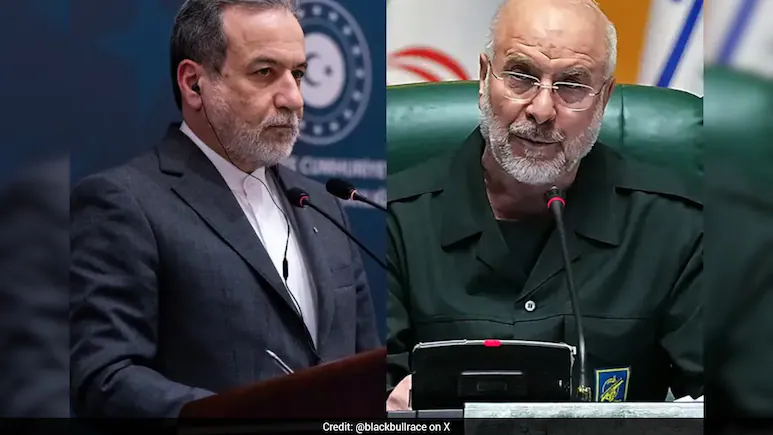
Foreign Minister Abbas Araghchi has played a leading role in Iran’s diplomatic negotiations with the United States and other international powers. Parliament Speaker Mohammad Bagher Ghalibaf has also emerged as a key political figure involved in negotiations following recent changes within Iran’s leadership.
US officials reportedly believed both men were potential Israeli targets because of their central role in ongoing diplomatic discussions.
Ghalibaf’s Flight Incident Raised Alarm
One of the most dramatic incidents reportedly occurred after Mohammad Bagher Ghalibaf visited Pakistan for diplomatic discussions.
According to reports, Iranian security officials warned that intelligence suggested Israeli fighter aircraft could attempt to target his returning plane. As a precaution, the aircraft reportedly landed in Mashhad instead of continuing directly to Tehran. Ghalibaf and other officials then travelled by road for several hours before reaching the capital safely.
The reported incident reinforced concerns inside both Washington and Tehran regarding the security of senior negotiators.
Diplomatic Talks Continued
Despite the reported security concerns, negotiations between the United States and Iran continued through intermediaries.
Qatar, Pakistan and several other regional countries have played important roles in facilitating communication between the two governments. The discussions have focused on reducing military tensions, protecting shipping routes, sanctions relief and broader regional stability.
Analysts believe preserving the safety of key negotiators was considered essential for keeping diplomatic channels open.
A Rare Difference Between Allies
The reported episode also highlights differences between Washington and Israel regarding Iran.
While both countries have maintained close strategic ties, reports suggest the United States was concerned that eliminating Iranian negotiators during active talks would damage prospects for a diplomatic settlement.
US officials reportedly believed negotiations offered the best opportunity to reduce tensions, whereas Israeli officials remained focused on weakening Iran’s leadership through military pressure.
No Official Confirmation From Israel
Neither Israel nor the United States has officially confirmed the existence of the alleged assassination plot.
The reports are based on accounts from current and former US officials familiar with the intelligence assessments. Israeli authorities have not publicly responded to the claims, while Iranian officials have also avoided detailed public comments regarding the reported warnings.
As a result, many aspects of the reported incident remain based on unnamed official sources.
Why The Story Matters
The reported intervention illustrates how delicate diplomatic negotiations can become during periods of military conflict.
Protecting negotiators is considered critical in international diplomacy because their absence could completely halt peace efforts. If the reports are accurate, the US intervention may have prevented further escalation and allowed negotiations to continue despite significant regional tensions.
The developments also underline the increasingly complex geopolitical dynamics involving the United States, Iran, Israel and several Middle Eastern countries.
Also read: FIFA World Cup 2026: Latest News, Results, Fixtures, Standings & Records