Why Delhi Is Spending Rs 9,585 Crore To Replace Old Commercial Vehicles
Why Delhi Is Spending Rs 9,585 Crore To Replace Old Commercial Vehicles has become a key question after the government announced one of India’s biggest clean-air initiatives for the transport sector. The ₹9,585-crore programme aims to replace ageing commercial trucks and buses operating in the Delhi-NCR region with cleaner BS-VI-compliant or electric vehicles (EVs), helping reduce air pollution and modernise the commercial transport fleet.
The initiative is expected to cover around 2.07 lakh old commercial vehicles over a two-year period through financial incentives, tax benefits, and support from participating states. Authorities believe the move will significantly reduce emissions from one of the largest sources of pollution in the National Capital Region.
Why Is the Government Launching the Scheme?
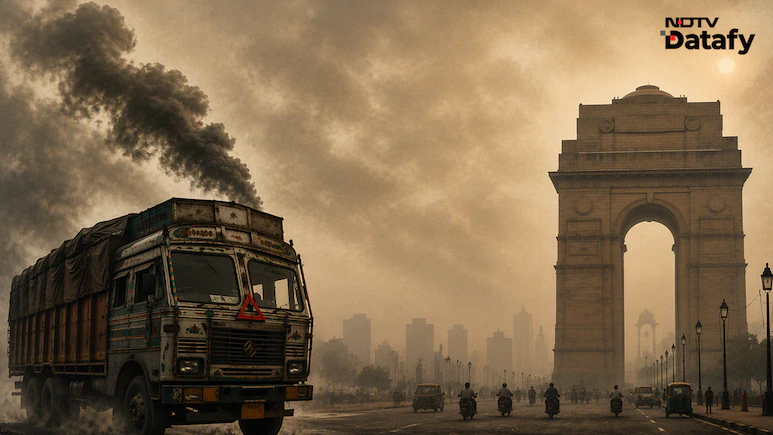
Delhi consistently records some of the highest air pollution levels in the country, with vehicle emissions contributing substantially to deteriorating air quality.
Older trucks and buses running on outdated emission standards release significantly higher levels of particulate matter and nitrogen oxides than newer BS-VI vehicles. By replacing these ageing vehicles, the government hopes to reduce pollution while improving fuel efficiency and road safety.
What Does the ₹9,585 Crore Scheme Include?
The fleet modernization programme provides incentives for owners of eligible commercial vehicles to replace them with cleaner alternatives.
The scheme includes:
- Financial incentives for scrapping eligible old trucks and buses.
- Support for purchasing BS-VI or electric commercial vehicles.
- Tax concessions from participating Delhi-NCR states.
- Promotion of cleaner transport technologies.
- Assistance for fleet modernization over the next two years.
Which Vehicles Are Eligible?
The programme primarily targets commercial vehicles operating in Delhi-NCR that comply with BS-IV emission norms or older standards.
Eligible vehicle owners can replace their existing vehicles with:
- BS-VI diesel trucks and buses.
- Electric commercial vehicles.
- Other cleaner emission-compliant vehicles approved under the scheme.
Expected Benefits
Officials believe the initiative will generate multiple environmental and economic benefits.
Expected outcomes include:
- Lower air pollution across Delhi-NCR.
- Reduced carbon emissions.
- Improved fuel efficiency.
- Safer and more modern commercial vehicles.
- Increased demand for cleaner vehicle technologies.
- Better public health through improved air quality.
Impact on the Automobile Industry
The programme is expected to provide a significant boost to commercial vehicle manufacturers and vehicle scrappage facilities.
Manufacturers producing BS-VI and electric trucks and buses are likely to benefit from increased demand, while authorised scrappage centres may see higher volumes as older fleets are retired.
Why Commercial Vehicles Are a Major Concern
Although commercial vehicles make up a smaller share of total vehicles on Delhi’s roads, they account for a disproportionately high share of transport-related emissions because of:
- Heavy diesel usage.
- Long operating hours.
- High daily mileage.
- Older engine technology.
Studies have also shown that thousands of trucks enter Delhi every day, adding significantly to pollution levels.
What Happens Next?
Implementation of the scheme has begun, with Delhi adopting the Centre’s fleet modernization programme.
Authorities will work with participating states, vehicle manufacturers, financial institutions, and scrappage centres to encourage owners to replace ageing commercial vehicles over the next two years.
Also read:From Wimbledon Towels to Scotch: What India-UK Trade Deal Could Mean for Shoppers