Satya Niketan PGs: Affordable Student Housing Faces Safety Concerns After Collapse
Satya Niketan’s affordable PGs are under scrutiny after a deadly building collapse raised concerns over cramped rooms, illegal construction and safety checks.
Satya Niketan has long been a popular student housing hub near Delhi University’s South Campus. Its location and large supply of private accommodation have made it attractive to students from outside Delhi.
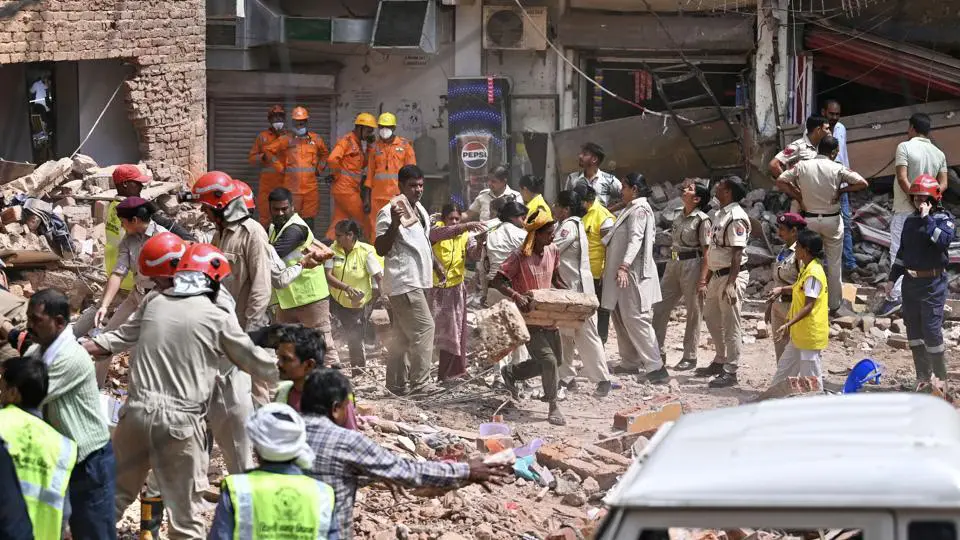
But the deadly collapse of a five-storey PG building has changed the conversation. Students and families are now questioning the safety behind affordable accommodation in the area.
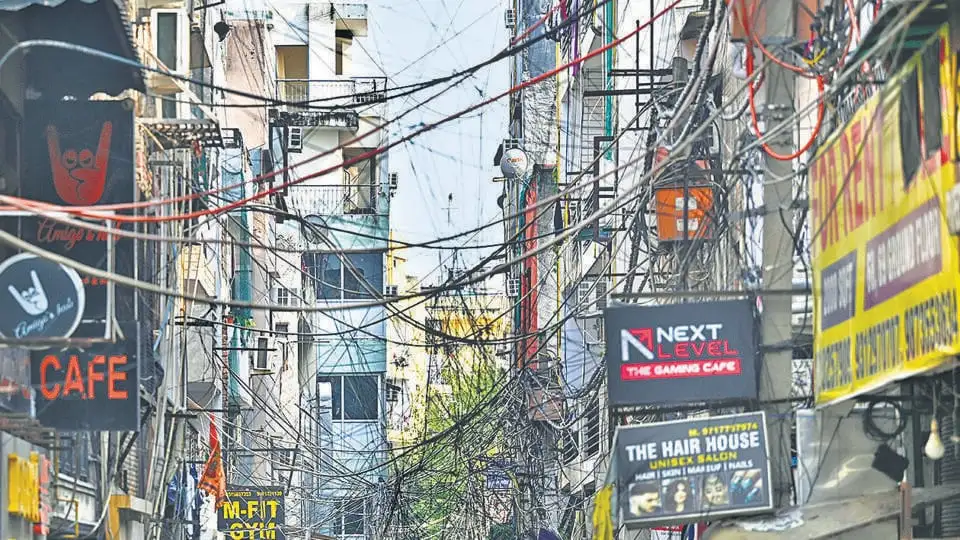
A recent ground report found buildings with poor ventilation, narrow corridors and ageing infrastructure. Some properties also showed signs of weak walls and poor maintenance.
The concern is not only about rent. It is also about whether students are getting safe and legally compliant accommodation for what they pay.
Affordable rooms, rising concerns
Satya Niketan is located close to several colleges in Delhi University’s South Campus. This makes the locality especially attractive to students seeking accommodation near their campuses.
Private PGs have expanded rapidly in the area. Many older properties have been converted or expanded to accommodate more tenants.
Reports indicate that students can pay around ₹15,000 for a single bed. Some two-room arrangements can cost around ₹25,000.
For students managing tuition, food and other expenses, location and price often become major deciding factors. Safety checks may not always receive the same attention.
Also Read: Link………………………………………………………………………………………………………..
The hidden cost of dense construction
The collapse has brought attention to the way buildings have changed in the neighbourhood.
Officials and reports have raised concerns about unauthorised construction and basement work. The collapsed building reportedly had no sanctioned building plan, according to a senior MCD official.

Investigators are also examining repair work, water accumulation and structural weaknesses. The Delhi chief minister said basement excavation caused a pillar to shift before the collapse.
These issues highlight wider challenge. A building designed for one purpose may face greater pressure after additional floors and rooms are added.
Students face limited housing choices
The shortage of institutional hostels adds pressure to Delhi’s private rental market.
Delhi University has more than 250,000 students but only around 9,000 hostel beds, according to an Indian Express analysis. The gap pushes many students towards private PGs and rental housing.
This problem affects students coming from smaller cities and towns. Affordable private accommodation can often appear to be most practical option.
However, students may have limited information about building permissions, fire safety and structural inspections.
Safety questions move beyond one building
The Satya Niketan collapse has raised concerns about other PG properties in the locality.
The Indian Express reported that additional floors, basement repairs and inadequate safety measures are among issues being examined. The report also noted concerns about emergency exits.
The Delhi government is now considering a safety policy for buildings used for public purposes.
What students should check before choosing a PG
Students looking for accommodation should check the building before paying deposit. Visible cracks, water seepage and damaged walls should not be ignored.
They should also ask about emergency exits and fire safety arrangements. Information about recent repairs and structural inspections can provide useful warning signs.
Families can also verify whether the property being used legally as a PG. Written rental agreements and clear payment records can provide additional protection.
The tragedy in Satya Niketan has exposed a difficult reality. Cheap and convenient accommodation can come with risks that students may not see before moving in.
For Satya Niketan PGs, the coming scrutiny could bring greater attention to building safety and regulatory compliance. The larger challenge ensuring that students do not have to choose between affordability and safety.