



West Asia tensions and Hormuz shipping threat to dominate Heads of Mission meet next week
India to Review West Asia Crisis and Strait of Hormuz Risks at Heads of Mission Conference
India is set to place the escalating West Asia crisis and the continuing uncertainty around the Strait of Hormuz high on the agenda during the upcoming Heads of Mission Conference next week. The annual gathering of Indian ambassadors and top diplomats is expected to focus heavily on geopolitical instability, energy security, maritime trade routes, and the safety of Indian nationals in the Gulf region.
The development comes at a time when renewed tensions in West Asia have created concerns across global markets, particularly over crude oil supplies and shipping routes linked to the strategically vital Strait of Hormuz.
Why the Strait of Hormuz Matters to India
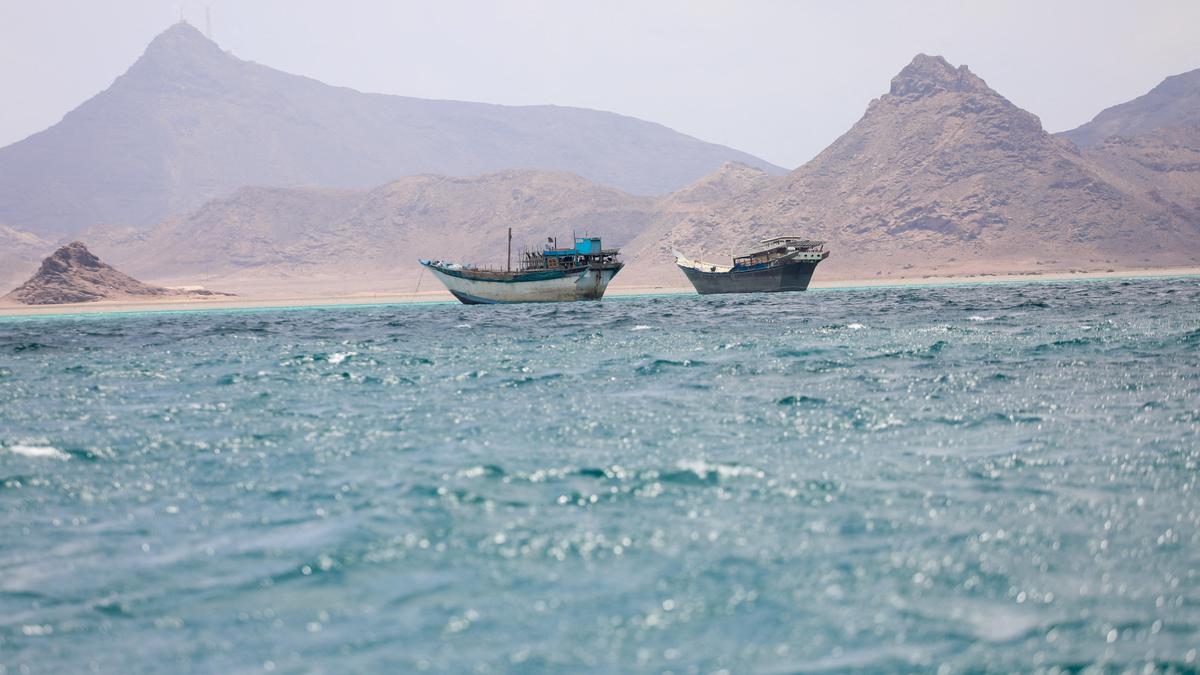
The Strait of Hormuz is one of the world’s most important maritime choke points, through which a significant share of global oil and liquefied natural gas shipments pass. Any disruption in the waterway can trigger immediate spikes in oil prices, freight insurance costs, and supply chain delays.
For India, which imports a large portion of its crude oil from Gulf nations, uninterrupted navigation through Hormuz remains critical. Officials are expected to discuss contingency planning, alternative sourcing strategies, and diplomatic engagement with regional powers.
PM Modi to Address Diplomats
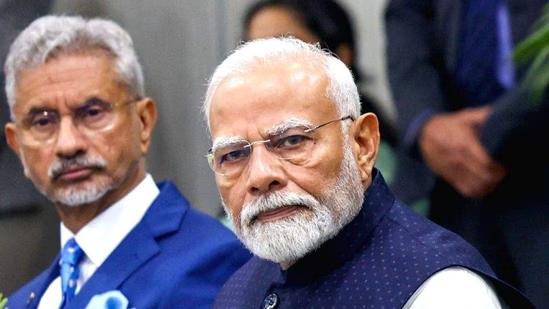
Prime Minister Narendra Modi is expected to address the conference on April 30, with External Affairs Minister S. Jaishankar, National Security Adviser Ajit Doval, and Chief of Defence Staff General Anil Chauhan also likely to speak during key sessions. The conference is expected to offer strategic direction to Indian missions worldwide.
Diplomats will likely receive guidance on how India should position itself amid rapidly shifting regional equations.
Key Issues on the Agenda
According to reports, discussions may revolve around:
- West Asia security developments
- Strait of Hormuz shipping uncertainty
- Rising crude oil prices
- Protection of Indian workers in Gulf nations
- Evacuation readiness if tensions worsen
- Maritime security cooperation
- Food and fertilizer supply impact
- Global diplomatic alignments
These issues have become more urgent as instability in the region affects trade and energy flows.
Indian Diaspora a Major Concern

Millions of Indians live and work across Gulf countries such as the UAE, Saudi Arabia, Oman, Qatar, Kuwait, and Bahrain. Any prolonged conflict or shipping crisis can affect jobs, remittances, air travel, and emergency movement.
Officials are expected to review embassy preparedness, communication systems, and emergency response plans for Indian citizens in the region.
Energy Security in Focus
India has recently diversified oil imports, but West Asia still remains a core supplier. Analysts say even if physical supplies continue, higher freight and insurance costs due to tensions can significantly impact domestic fuel prices.
The conference may examine:
- Strategic petroleum reserves
- Alternative import routes
- Increased sourcing from other producers
- Shipping insurance safeguards
- Faster energy diplomacy responses
India’s Diplomatic Balancing Act
India maintains strong ties with multiple countries across West Asia, including Iran, Israel, Saudi Arabia, UAE, and the United States. That gives New Delhi a unique but delicate diplomatic role.
Experts believe Indian diplomats may be asked to continue supporting dialogue, de-escalation, and freedom of navigation while avoiding entanglement in regional rivalries.
Global Impact of Regional Tensions
Even limited instability in the Gulf often causes ripple effects across global markets. Oil prices, stock markets, airline costs, fertilizer prices, and shipping rates are closely linked to the region.
With several economies still recovering from earlier disruptions, policymakers worldwide are watching developments closely.
What to Expect From the Conference
The Heads of Mission Conference is expected to produce a coordinated diplomatic roadmap for India’s overseas missions. Embassies may be tasked with:
- Tracking local risks in host nations
- Supporting Indian communities abroad
- Monitoring supply chain disruptions
- Expanding political outreach
- Reporting real-time strategic shifts
One thought on “West Asia tensions and Hormuz shipping threat to dominate Heads of Mission meet next week”
Comments are closed.
https://shorturl.fm/Qx0Tr