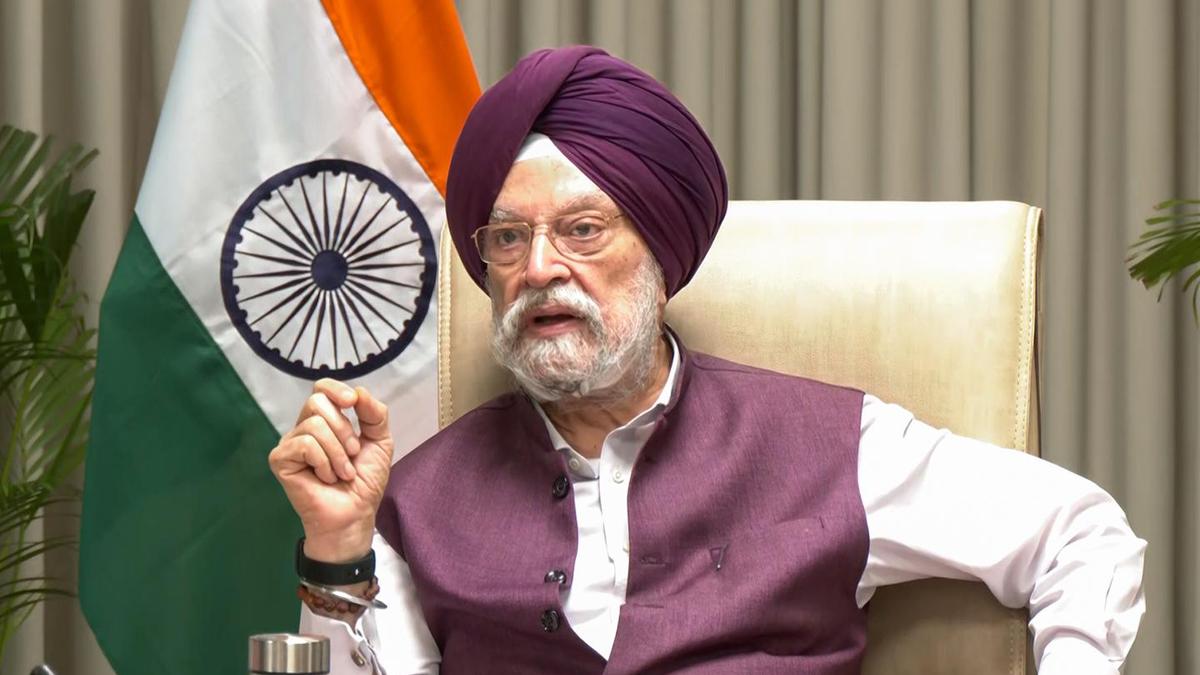
Petrol, Diesel Prices To Fall After Cheaper Crude Reaches Refiners: Hardeep Puri
Petrol diesel prices in India are expected to come down only after cheaper crude oil purchased by Indian refiners reaches domestic processing facilities, Union Petroleum and Natural Gas Minister Hardeep Singh Puri has said. His remarks come as international crude oil prices have declined following easing geopolitical tensions, raising hopes among consumers for a reduction in fuel prices.
According to the minister, the decline in global crude prices does not immediately translate into lower petrol and diesel prices because oil marketing companies process crude that was purchased several weeks or even months earlier at significantly higher rates. As a result, consumers may have to wait until refiners begin processing recently purchased, lower-cost crude before any reduction is reflected at fuel stations.
The statement provides clarity on why domestic fuel prices have remained unchanged despite a noticeable fall in international crude oil prices.
Why Fuel Prices Haven’t Fallen Yet
Hardeep Singh Puri explained that Indian oil companies generally import crude oil nearly two months in advance. The crude currently being refined was bought during April and early May, when international oil prices had surged because of tensions in West Asia.
Since refiners are still processing these higher-cost cargoes, retail fuel prices continue to reflect those earlier purchase costs rather than today’s lower crude prices. Once cheaper shipments begin reaching Indian refineries and enter the supply chain, companies may consider reducing petrol and diesel prices.
Global Crude Prices Have Declined
International crude oil prices have fallen sharply in recent weeks after diplomatic developments helped ease concerns over supply disruptions.
The Indian basket of crude reportedly dropped significantly from the elevated levels seen during the peak of the conflict. This decline has improved expectations that domestic fuel prices could also soften if global markets remain stable over the coming weeks.
However, the government has indicated that it wants to see sustained stability rather than temporary price movements before any decision is taken.
Hardeep Puri Explains The Delay
The petroleum minister stressed that it would become a “legitimate question” to discuss reducing petrol diesel prices if international crude prices remain low for the next few weeks.
He noted that pricing decisions depend on the actual cost incurred by oil marketing companies rather than daily fluctuations in global crude benchmarks. This approach helps companies manage inventory costs while ensuring a stable fuel supply across the country.
Oil Companies Have Faced Heavy Losses
Another factor influencing fuel pricing is the financial performance of state-owned oil marketing companies.
According to the minister, public sector oil companies incurred losses of around ₹74,781 crore during the April–June quarter after selling petrol, diesel and LPG below their actual cost while global crude prices remained elevated. These losses have put pressure on company finances and are one reason immediate retail price reductions have not been announced.
Officials say any future price revisions will take into account both international crude prices and the financial health of oil retailers.
What Consumers Can Expect
Consumers hoping for cheaper fuel may still receive some relief if international crude prices continue to remain stable.
Industry experts believe oil marketing companies are likely to review retail prices after lower-cost crude reaches Indian refineries and begins replacing earlier inventories. If crude prices remain at current levels or decline further, the possibility of a reduction in petrol diesel prices could increase.
Until then, existing fuel prices are expected to remain largely unchanged.
Impact On Inflation And The Economy
Fuel prices directly influence transportation, logistics and manufacturing costs across the economy.
A reduction in petrol and diesel prices could help lower transportation expenses, reduce inflationary pressure and benefit consumers as well as businesses. Lower fuel costs may also positively impact sectors such as agriculture, logistics, aviation and retail by reducing operating expenses.
Economists believe any sustained decline in fuel prices would support overall economic growth and improve consumer spending.
Outlook For The Coming Weeks
The next few weeks will be crucial for determining whether Indian consumers receive relief at the fuel pump.
If global crude oil prices remain stable and refiners begin processing lower-cost imports, oil marketing companies may consider revising retail fuel prices. However, officials continue to monitor international developments before taking any final decision.
Also read: Anmol Bishnoi Surrender: Gangster Seeks To Return In Salman Khan Firing Case