West Asia War LIVE: Bahrain and Kuwait Face Missiles After U.S. Strikes Iran
West Asia War LIVE developments have intensified after U.S. military strikes on Iran triggered a fresh wave of regional escalation. Reports of missile threats involving Bahrain and Kuwait have heightened security concerns across the Gulf, prompting governments to activate emergency response measures and closely monitor the rapidly changing security environment. The latest developments have raised fears of a broader regional conflict involving multiple countries in West Asia.
The escalation follows U.S. military action targeting sites inside Iran, a move that has significantly increased tensions between Washington and Tehran. In response, regional governments have strengthened security around critical infrastructure, military installations, and civilian areas while urging residents to remain calm and follow official advisories.
Missile Alerts Raise Regional Concerns
Authorities in Bahrain and Kuwait reported heightened security alerts following reports of incoming missile threats after the U.S. operation against Iran.
While air defence systems were activated as a precaution, officials continued to assess the situation and monitor potential risks. Governments across the Gulf emphasized that emergency agencies remain fully prepared to respond to any security incident.
The latest developments underscore the fragile security situation in the region, where any military escalation can quickly affect neighbouring countries.
U.S. Strikes Mark Major Escalation
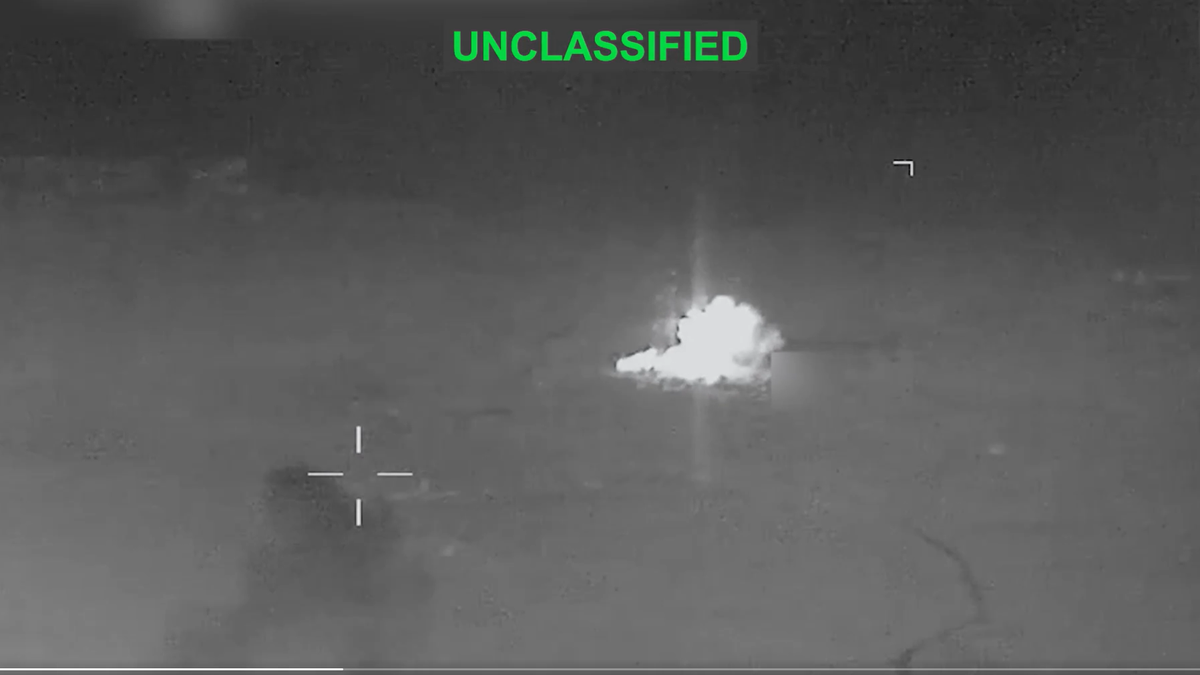
The U.S. military operation against Iranian targets represents one of the most significant escalations in recent months.
American officials stated that the strikes were aimed at addressing specific security objectives, while Iran strongly condemned the action, calling it a violation of its sovereignty. Iranian leaders warned that the country reserves the right to respond to any attack on its territory.
The exchange has intensified concerns that the conflict could spread beyond the immediate parties involved.
Gulf Nations Increase Security
Following reports of missile threats, Bahrain and Kuwait increased security around airports, government facilities, energy infrastructure, and military installations.
Authorities have also coordinated with regional partners to strengthen surveillance and maintain readiness. Civil defence agencies have urged residents to stay informed through official government channels and avoid spreading unverified information on social media.
Several Gulf countries are closely monitoring airspace and maritime activity as tensions continue to rise.
Global Reactions
The latest escalation has drawn widespread international attention.
Several countries have called for restraint and urged all parties to avoid actions that could further destabilize the region. International organizations have reiterated the importance of dialogue and diplomacy to prevent a wider conflict that could threaten global energy supplies and regional security.
Diplomatic efforts are expected to intensify as governments seek to reduce tensions through negotiations.
Impact on Global Markets
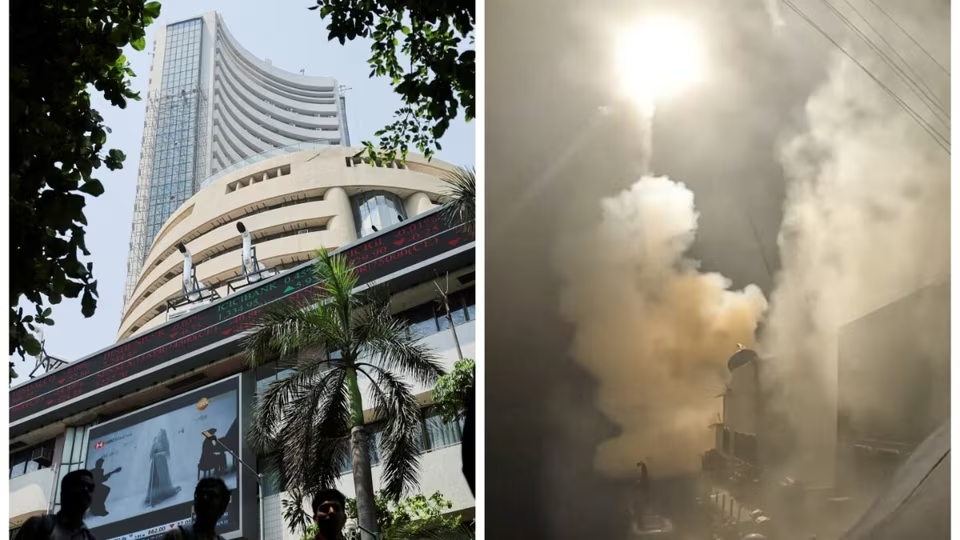
Rising tensions in West Asia have also affected global financial markets.
Energy traders are closely monitoring developments due to concerns over possible disruptions to oil shipments through the Gulf region. Analysts warn that any prolonged conflict could increase crude oil prices, affect shipping routes, and create uncertainty in international markets.
Investors are also watching geopolitical developments that may influence global trade and economic stability.
Humanitarian Concerns
Humanitarian organizations continue to express concern over the potential impact of a wider regional conflict.
Any further escalation could increase displacement, disrupt essential services, and place additional pressure on healthcare systems in affected areas. Aid agencies have urged all sides to comply with international humanitarian law and prioritize civilian safety.
What Happens Next?
Military and diplomatic developments remain highly fluid.
Regional governments are expected to continue strengthening defensive measures while international leaders pursue diplomatic efforts to prevent further escalation. Analysts believe the coming days will be crucial in determining whether tensions ease or expand into a broader regional confrontation.
Citizens across the Gulf have been advised to remain alert, follow official instructions, and avoid relying on unverified reports circulating online.
Also read:
India and Japan to Co-develop Naval Radio Antenna Based on UNICORN Technology