PM Modi Begins Austerity Push Amid Global Uncertainty
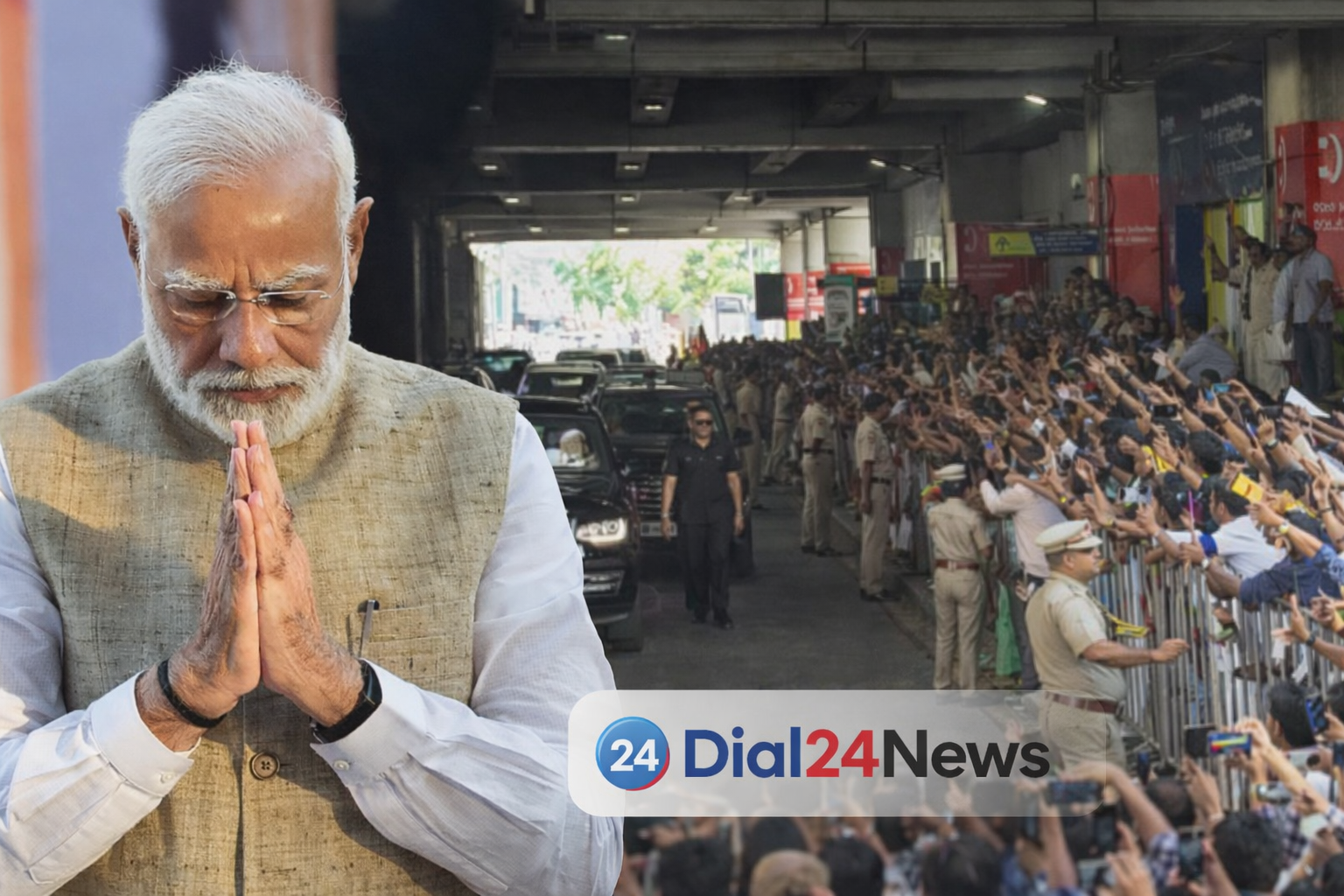
Prime Minister Narendra Modi has reportedly instructed the Special Protection Group to significantly reduce the size of his official convoy as part of a larger austerity campaign launched in response to the worsening situation in West Asia. The move is being viewed as a symbolic attempt by the Prime Minister to lead by example while urging citizens and government departments to adopt fuel-saving practices.
According to reports, Modi has directed that the SPG convoy accompanying him during official movements be cut by nearly half. Government sources indicated that several ministries and departments may also be encouraged to reduce non-essential vehicle usage and avoid unnecessary expenditure in the coming weeks.
The development comes as global oil markets remain under pressure due to the escalating conflict in West Asia, particularly around the Strait of Hormuz — a critical route for international crude oil shipments. India, which imports a large portion of its energy requirements, is closely monitoring the crisis and preparing contingency measures.
Government Focuses on Fuel Conservation
Over the past few days, PM Modi has repeatedly appealed to citizens to reduce unnecessary fuel consumption and support economic self-reliance. During a recent public address, he encouraged people to use petrol, diesel, and cooking gas “with restraint” while also promoting carpooling, public transport, and work-from-home wherever possible.
The Prime Minister also suggested avoiding unnecessary foreign travel and reducing dependence on imported goods. Officials believe these steps could help India reduce pressure on foreign exchange reserves if the geopolitical crisis continues for a prolonged period.
Sources further indicated that the government is considering increasing the use of electric vehicles within official convoys and limiting fresh purchases of conventional fuel-powered vehicles.
West Asia Conflict Raises Concerns for India
The ongoing tensions involving Iran and the United States have triggered concerns globally over energy security and trade disruptions. India has already held multiple high-level meetings to review preparedness for any economic impact arising from instability in the Gulf region.
PM Modi recently chaired discussions with chief ministers and senior officials, stressing the importance of maintaining supply chains, preventing hoarding, and ensuring stable fuel availability across states. The Centre has also reportedly formed several empowered groups to monitor oil supplies, shipping routes, inflation, and essential commodities.
Government officials say India’s strategic petroleum reserves and diversified import network are currently helping cushion immediate risks, but prolonged instability could still affect prices and supply chains.
Political Reactions Begin Emerging
The austerity move has triggered political reactions across the country. While BJP leaders praised the Prime Minister’s decision as an example of responsible leadership during difficult times, opposition parties questioned whether broader economic concerns were being adequately addressed.
Some opposition leaders have demanded an all-party meeting on the economic implications of the West Asia conflict, especially amid rising concerns over fuel prices, inflation, and foreign exchange reserves.
Despite political criticism, supporters of the government argue that symbolic measures such as reducing convoy sizes help reinforce public confidence during periods of uncertainty.
Latest Developments
Reports suggest that additional austerity advisories could soon be issued for government departments, encouraging reduced electricity usage, lower fuel consumption, and tighter control over official expenses. Several states are also expected to align with the Centre’s conservation campaign.
Meanwhile, India continues diplomatic engagement with countries involved in the West Asia crisis while monitoring the situation in the Strait of Hormuz. The government has emphasized that protecting India’s energy security and minimizing the economic impact of the conflict remain top priorities.